Agriculture
27 million acres stay in CRP as EQIP funding falls
H.R. 7567 would reauthorize the Conservation Reserve Program at its current acreage cap through FY2031. The same title lowers EQIP spending by an estimated $786 million over the next decade.
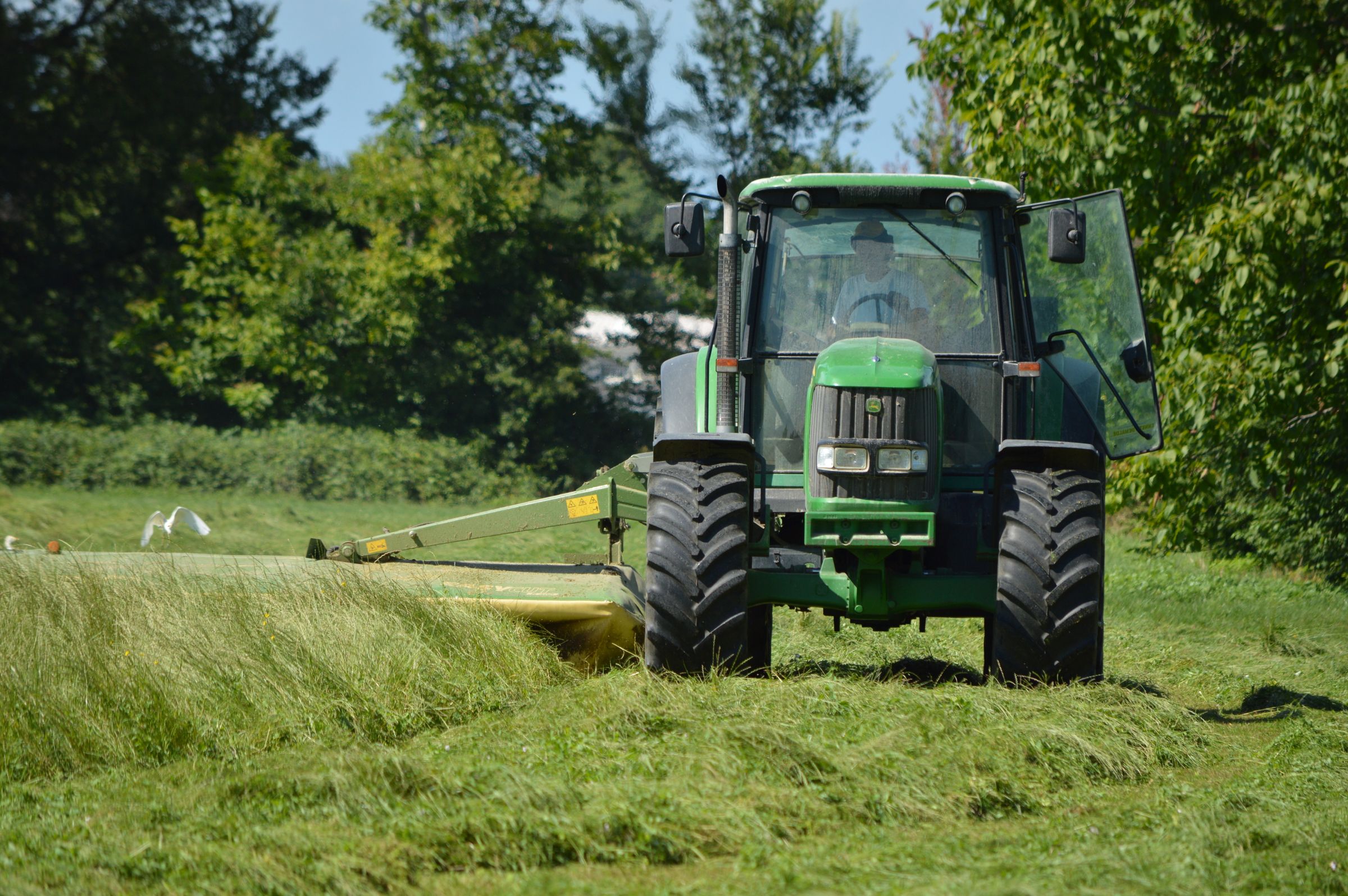
That means more continuity for land retirement, and less room for conservation upgrades on acres that stay in production.
- CRP would stay at 27 million acres through FY2031.
- EQIP budget authority would fall by $1.0 billion over 10 years.
- EQIP spending would be about $786 million lower over that period.
- The bill shifts conservation money, rather than expanding it across the board.
- In Washington, the conservation title in the House-passed farm bill would hold one familiar line steady and squeeze another
In Washington, the conservation title in the House-passed farm bill would hold one familiar line steady and squeeze another. The Conservation Reserve Program, or CRP, would stay at 27 million acres through FY2031, while the Environmental Quality Incentives Program, or EQIP, would lose $1.0 billion in budget authority over 10 years, before sequestration.
For farmers, ranchers and other landowners, the difference matters because the two programs do different jobs. CRP pays to retire environmentally sensitive acres. EQIP helps fund conservation improvements on land that stays in production.
A steadier field edge
The CRP side of the title is simple: the program would keep its current acreage level. That means the federal ceiling for land retirement does not move, even as the rest of the farm bill rewrites other pieces of USDA policy.
For landowners who use CRP to take acres out of production for soil, water or habitat reasons, the message is continuity. The program would keep the same 27 million-acre footprint through FY2031.
Less room for on-farm upgrades
EQIP is the more active, on-the-ground tool. It helps producers pay for conservation work on land that remains in use, so a smaller pool of money matters even if the program itself survives intact.
Under the bill, EQIP spending would come in about $786 million lower over the same period, before sequestration. That is a shift in emphasis, away from a program built around working land and toward one that keeps the retirement baseline unchanged.
A different conservation balance
The bigger story is not that conservation disappears from the farm bill. It is that the bill rearranges which kind of conservation gets first claim on federal dollars.
For producers deciding where USDA help is most likely to show up, that difference is practical. The bill leaves one lane open at its current size and narrows the other.
The conservation title sits inside a much larger rewrite of food and agriculture policy, but this piece of it is about priorities: more continuity for acreage retirement, less room for working-land assistance.