Federal Highway Administration
$7.5 billion in EV aid still leaves charger dead zones
Washington split the money between the National Electric Vehicle Infrastructure program and Charging and Fueling Infrastructure grants, but drivers still face patchy charger access—and federal pauses and shifting policy have added uncertainty.
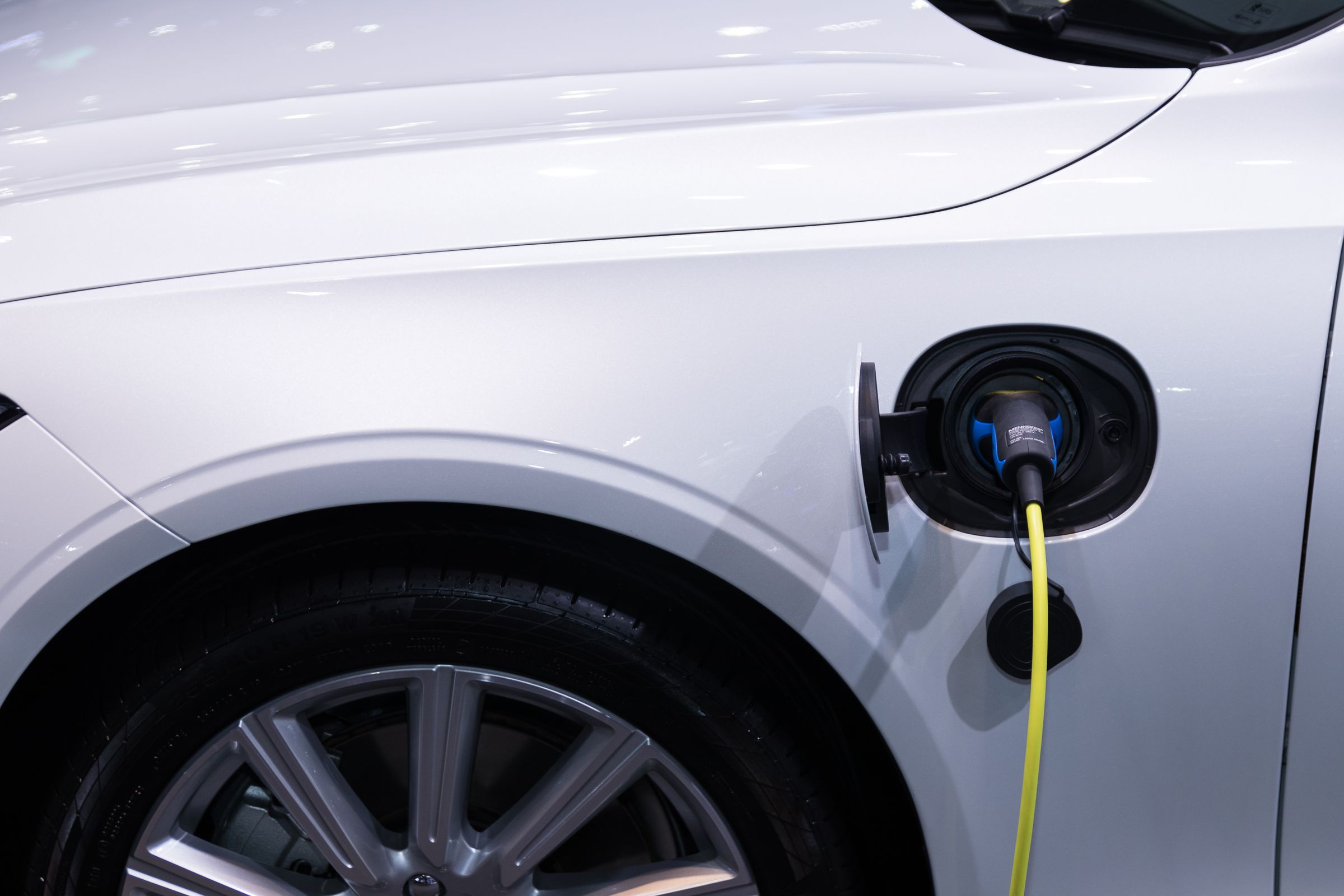
Washington created two big charging programs for plug-in electric vehicles, but the network is still patchy. The money is real. The practical test is whether it reaches the roads and communities drivers use most.
- The two main federal charging programs were built differently.
- NEVI uses state deployment plans; CFI uses competitive grants.
- $7.5 billion was set aside over five years.
- The rollout has been uneven, so location still matters for drivers.
- For drivers of plug-in hybrid electric vehicles and battery-electric vehicles, the difference between a smooth trip and a stressful one often comes down to whether a charger is actually there
For drivers of plug-in hybrid electric vehicles and battery-electric vehicles, the difference between a smooth trip and a stressful one often comes down to whether a charger is actually there. At the federal level, the Infrastructure Investment and Jobs Act created two programs to expand that network: the National Electric Vehicle Infrastructure, or NEVI, program and the Charging and Fueling Infrastructure, or CFI, grant program.
Together, NEVI and CFI were funded with $7.5 billion over five years, from FY2022 through FY2026. Access to charging, especially for battery-electric vehicles, remains one of the practical factors shaping adoption.
Two programs, two paths
NEVI works as a formula program through the Federal Highway Administration, with states, the District of Columbia and Puerto Rico submitting deployment plans to tap the money. CFI uses competitive awards for charging infrastructure in places that need it. NEVI money can cover acquisition, installation, operation and maintenance of charging equipment.
Since FY2022, the Federal Highway Administration has made $4.2 billion available under NEVI and $1.8 billion under CFI. The latest NEVI formula year was announced in October 2025, and the most recent CFI awards were announced in January 2025. Federal changes to those programs could alter how publicly funded chargers get deployed, even as private investment and state efforts keep building alongside them.