University Programs
$85 Million a year would expand quantum testbeds and training
The amendment sets a funding level for NIST and directs NSF to back graduate traineeships and research facilities. It also calls for a review of barriers that slow research, deployment and scaling.
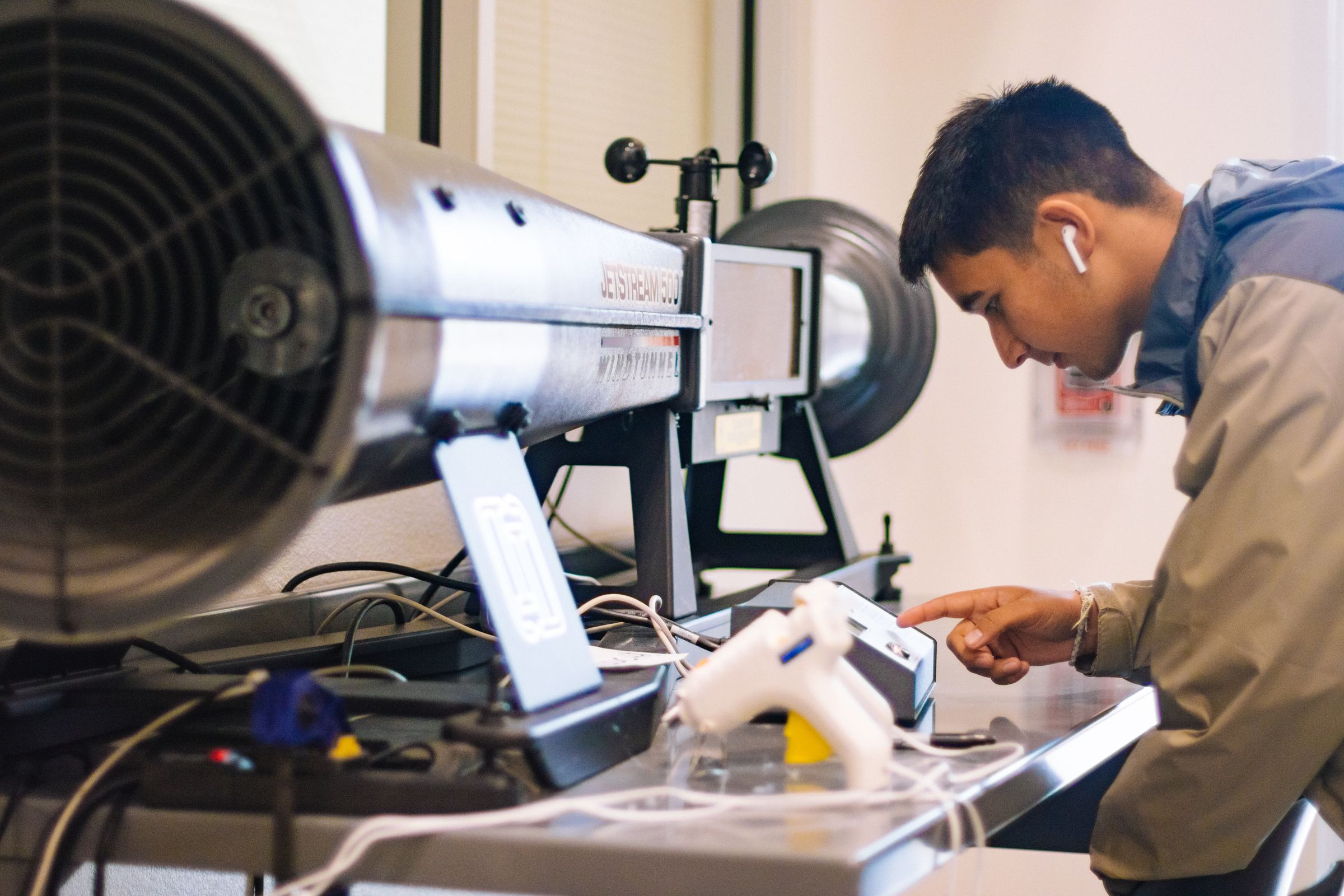
Federal lawmakers would put more money and structure behind quantum work from the lab bench to real-world use. The rewrite also tells agencies to look for rules that could slow the technology’s growth.
- Congress is widening the quantum initiative beyond basic research.
- The rewrite would push federal agencies to coordinate standards, demonstrations and education.
- New “foreign country of concern” language signals tighter attention to security and outside ties.
- Researchers, labs, universities and startups could all feel the shift in priorities.
- For quantum researchers, federal labs, universities and startups, the shift is not just about how Washington talks about the field
For quantum researchers, federal labs, universities and startups, the shift is not just about how Washington talks about the field. Federal lawmakers are recasting the National Quantum Initiative as a program that should help get quantum technology used, tested and coordinated, not just studied. Under a new subtitle called the National Quantum Initiative Reauthorization Act of 2026, the effort would be aimed at facilitating quantum applications, including quantum-hybrid applications, while tying the program more closely to standards work and interagency planning. The practical message is clear: the federal government wants more of the quantum ecosystem organized around use, not only discovery.
From discovery to deployment
The rewrite starts with the basics of the law itself. It updates the National Quantum Initiative Act’s definitions, including a new definition for “Federal laboratory,” and it expands the program’s purpose so practical quantum use sits at the center of the federal mission. It also says the government should support emerging technologies that can benefit from quantum technology, as well as technologies that can help quantum technology advance. That makes the policy logic run in both directions, with quantum research feeding other fields and other fields feeding quantum research.
That matters because quantum work has never lived in one place. It stretches across federal and national laboratories, university programs, defense-linked projects and private companies trying to turn fragile scientific advances into products that can survive outside a controlled lab. The new language would pull those pieces toward a shared federal frame, so the program looks less like a single research grant stream and more like an attempt to organize an entire technology stack.
Who gets pulled into the frame
For the people building the technology, the change reaches well beyond a laboratory bench. Researchers could find more of their work shaped by federal priorities around demonstrations, standards engagement and applications, not only by curiosity-driven science. Universities and education programs would sit closer to the center of that effort, because the coordination language expressly reaches quantum educational activities and programs. Startups and suppliers could feel the same pull if federal backing becomes tied more tightly to how well their work fits the government’s broader deployment goals.
That is the difference between a field that is celebrated for promise and one that is being pushed to prove itself. A program built around applications changes what looks valuable. It can favor systems that can be demonstrated, integrated and measured over work that is still years from practical use. For institutions chasing federal support, that does not make basic research less important, but it does change the frame around it: the federal government is no longer content to treat quantum as a distant scientific frontier.
Standards join the agenda
One of the most consequential pieces of the rewrite is easy to miss if you only look for headline-grabbing funding moves. The amendment directs interagency planning and coordination across research, development, demonstration and standards engagement. That is a narrow-sounding phrase with wide implications, because standards are where a technology begins to become interoperable, comparable and easier for outsiders to trust. In a field like quantum, standards can shape how systems are evaluated, how data is handled and what different agencies or companies can plug together.
When standards work gets folded into the core mission, it changes who has to care. A laboratory that only needs to publish results can move differently from one that has to think about whether its work will fit a federal ecosystem later on. The same is true for companies building hardware, software or supporting tools. They may still be chasing scientific breakthroughs, but they will also need to think about the rules that let the technology move between agencies, labs and eventual users without breaking at the seams.
Security language comes closer to the work
The other big change is the addition of “foreign country of concern” language to the statute. On its face, that is a definitional move. In practice, it signals that Congress wants collaboration and security questions built into the quantum program rather than handled as an afterthought. As quantum technology grows more strategically sensitive, who can work with whom becomes part of the program’s design, not just a separate policy debate.
That puts researchers and institutions in a more complicated position. International collaboration has long been part of science, and quantum work is no exception. But the new language suggests Congress wants the federal government to look more carefully at outside ties as the field matures. The result could be a tougher environment for partnerships, especially where federal funding, national-security concerns or sensitive technical know-how overlap. The statute does not spell out every limit here, but it does make clear that access and trust are now part of the quantum conversation.
A broader federal map for quantum
The larger idea behind the rewrite is not hard to see. Congress is trying to move quantum policy from a research program into an ecosystem strategy, one that reaches applications, institutions, educational pipelines, standards work and security guardrails at the same time. That is a different kind of federal ambition. It says the government does not just want to sponsor breakthroughs, it wants to shape the conditions that determine whether those breakthroughs can be used, shared and scaled.
For anyone building in the field, that is both an opening and a warning. A wider federal mission can bring more coordination and more support, but it can also mean more scrutiny and more expectations about where the technology should go. The subtitle’s name is the National Quantum Initiative Reauthorization Act of 2026, but the real change is bigger than the title. It is Washington’s attempt to put quantum on a path where research, demonstrations, standards and training all point toward actual use.