Surveillance Systems
$9.6 billion would expand Border Patrol hiring and screening
The funding would run through September 2029 and add money for ICE enforcement, detention-related work and border technology, including AI-backed inspection and surveillance systems.
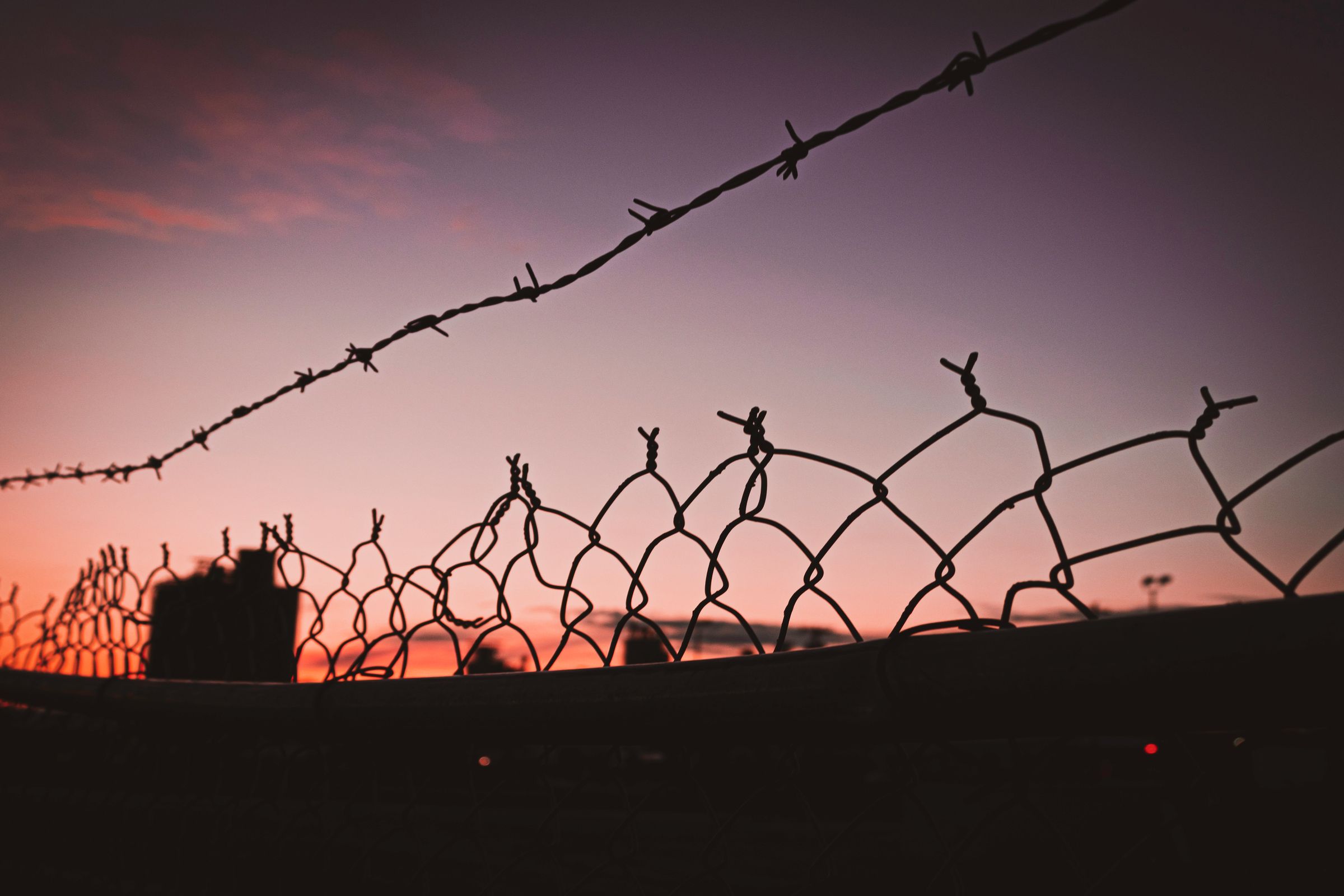
One provision bars spending on some processing coordinator hiring after October 2028. Another says certain surveillance towers cannot be used unless CBP has tested and accepted their autonomous capabilities.
- $9.55 billion would go to CBP personnel
- ICE would get additional money for enforcement and detention work
- Border tech, screening and surveillance are part of the package
- Some funds would remain available through Sept. 30, 2029
- The amendment also limits use of money for processing coordinators and some towers
For migrants, border communities and the agencies that police them, this is money that changes how the border feels on the ground. A proposal in Washington would give U.S. Customs and Border Protection, or CBP, a fresh burst of funding to hire, train and equip Border Patrol staff, while also backing the technology and screening tools that shape what happens at ports of entry and along the southwest line.
The package would put $9.55 billion behind CBP personnel for fiscal 2026, with the money available until Sept. 30, 2029. It would also steer money to U.S. Immigration and Customs Enforcement, or ICE, for the people and systems that carry out immigration enforcement, detention-related work and removals.
Where the money goes
The biggest slices are not symbolic. One section would give CBP money for Border Patrol agents and support personnel, along with hiring, pay, training and equipment. Another title in the amendment would direct money toward border security, technology and screening, including nonintrusive inspection equipment, surveillance systems, air and marine response platforms and biometric entry-exit work.
The ICE side is just as blunt. The amendment includes $31.075 billion for immigration enforcement activities, plus transportation, legal staff and operations support. It also sets aside at least $350 million for detainer management, custody transfers, release monitoring and arrests of covered unlawful aliens in jurisdictions that are not qualified cooperating jurisdictions.
A longer leash for enforcement
The funding is built to last longer than a one-year bump. The border titles would remain available until Sept. 30, 2029, giving the administration more time to build out personnel and the systems that go with them.
The amendment also draws a few lines around how the money can be used. One provision bars CBP from spending certain funds to recruit, hire or train processing coordinators after Oct. 31, 2028. Another says surveillance-tower money on the southwest or northern border cannot be used unless CBP has tested and accepted the towers for autonomous capabilities.