Whether Artificial Intelligence
90-day AI study targets the power grid
The House bill would make Energy examine whether artificial intelligence and high-performance computing can speed grid studies, improve reliability and cut bottlenecks for new power projects.
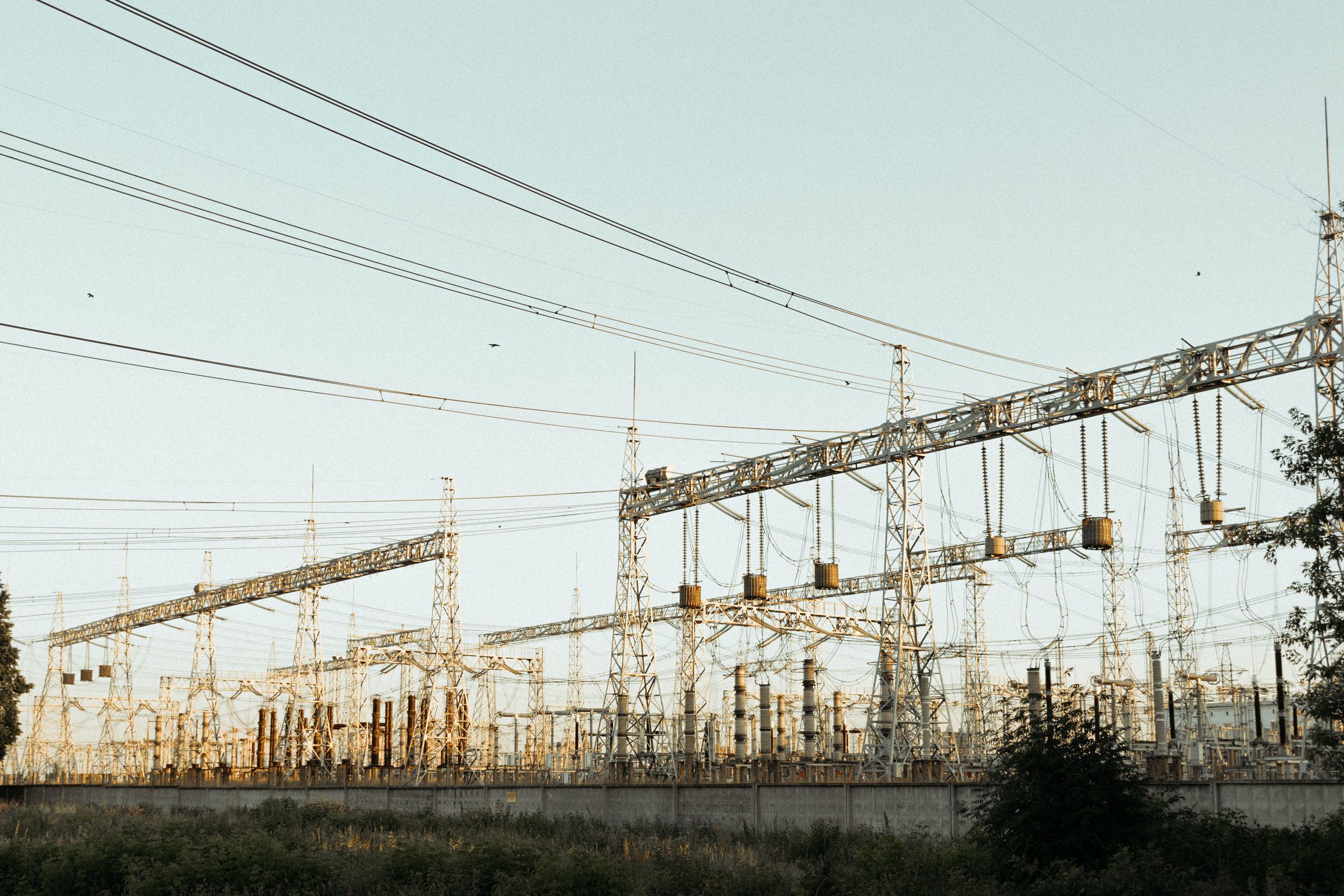
The proposal would give the Secretary of Energy 90 days to study whether AI and high-performance computing can help the bulk-power system run better. It also asks for a look at generator and load interconnection delays, current use of the tools and the technical and cybersecurity limits.
- Energy would have 90 days after enactment to complete the study.
- The focus is on interconnection studies, grid reliability and efficiency.
- DOE would consult with FERC and the Electric Reliability Organization.
- The bill also asks for a reality check on cybersecurity and other limits.
- When a new generator tries to connect to the grid, the paperwork and modeling behind that decision can become the bottleneck
When a new generator tries to connect to the grid, the paperwork and modeling behind that decision can become the bottleneck. A bill in Washington would ask whether artificial intelligence, or AI, and high-performance computing, or HPC, can speed those studies and help the bulk-power system, the high-voltage network that moves electricity across regions, run more reliably.
The proposal would not install new software at utilities or grid operators. It would tell the Secretary of Energy to study whether those tools can improve capacity, reliable operation and operational efficiency, and to do it within 90 days after enactment.
The bottleneck it targets
One of the clearest questions in the bill is practical: can AI and HPC help clear generator and load interconnection studies faster? Those studies decide how new power sources and large electricity users can plug into the system, and slow answers can hold up projects before any steel goes in the ground.
The bill also asks Energy to look at current applications and levels of adoption across the bulk-power system. That matters because Washington would not just be asking what the technology might do someday. It would be asking where it is already being used, and where it still sits on the sidelines.
The limits matter as much as the promise
The study would not be a pep talk for technology. It also has to examine technical, regulatory, cybersecurity and operational limits that could make AI or HPC hard to use, or less useful than the hype suggests. DOE would have to consult with the Federal Energy Regulatory Commission and the Electric Reliability Organization while doing the work.
That makes the bill less about selling a smarter grid than about taking a sober measure of what these tools can actually do. For utilities, grid operators, state regulators and customers, the real question is whether faster computing can shorten delays without creating new risks in a system that has to keep the lights on every second.