Distributed Energy Storage
Battery incentives could lower the cost of backup power in New Jersey
The bill would pay qualifying projects based on storage size, with extra help for low-income households, overburdened communities and critical facilities. It sets a 2,000-megawatt target by 2030 and lets payments run for 15 years.
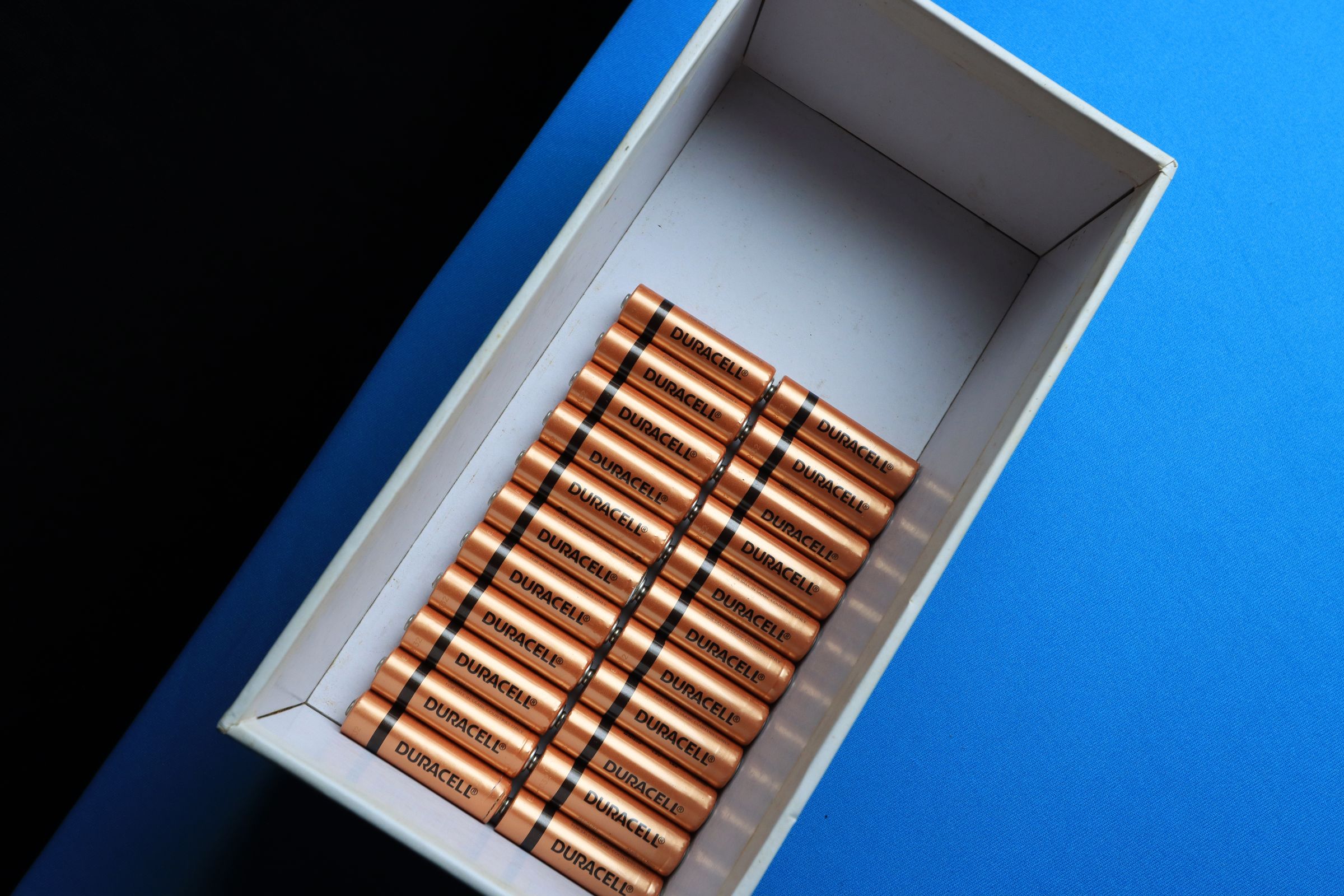
New Jersey lawmakers want to make batteries more affordable for homes, businesses and grid projects. The proposal also gives the Board of Public Utilities room to reward systems that help the places most likely to need backup power.
- Batteries could get 15-year state incentives.
- The goal is at least 2,000 megawatts by 2030.
- Some money would be steered toward low-income and overburdened communities.
- Stand-alone batteries and solar-plus-storage projects would both qualify.
- In New Jersey, batteries would be more than a backup for the next blackout
In New Jersey, batteries would be more than a backup for the next blackout. A proposal in Trenton would direct the Board of Public Utilities, or BPU, to create a distributed energy storage incentive program that helps pay for systems on the customer side of the meter and larger projects tied into utility distribution networks.
The bill sets a target of at least 2,000 megawatts of installed storage capacity by 2030. It also says the broader state effort should reach 3,000 megawatts of new energy storage capacity when combined with other programs, with some incentives reserved for low- to moderate-income customers and overburdened communities.
How the money would work
Under the proposal, qualifying projects would receive fixed annual payments based on how much storage capacity they provide. Those payments could run for 15 years unless the board chooses a different term, and the total incentive could not exceed 40% of a project’s cost.
The bill also allows bonus payments for projects that serve overburdened communities or provide resilient power to critical community facilities, the kinds of places identified in emergency planning as especially important when the grid is stressed. Stand-alone batteries and batteries paired with renewable power, such as solar, would both qualify.
Where the grid matters most
The bill draws a line between smaller customer-sited systems, such as batteries behind the meter at a home or business, and front-of-the-meter systems on the utility side. Customer-sited projects would have to finish within 30 months of approval, while front-of-the-meter projects would get 42 months.
Delays tied to utilities, PJM Interconnection, the regional grid operator, permit agencies or supply-chain problems would get some room. The point is to keep the program from favoring only the easiest projects to build, and to give batteries a path in places that need backup power most.