Into Agriculture Law
Black colleges could join federal marijuana crop research
Historically Black land-grant schools could help steer federal marijuana crop research under a House bill from Rep. Troy Carter, which would fold the work into agriculture law.
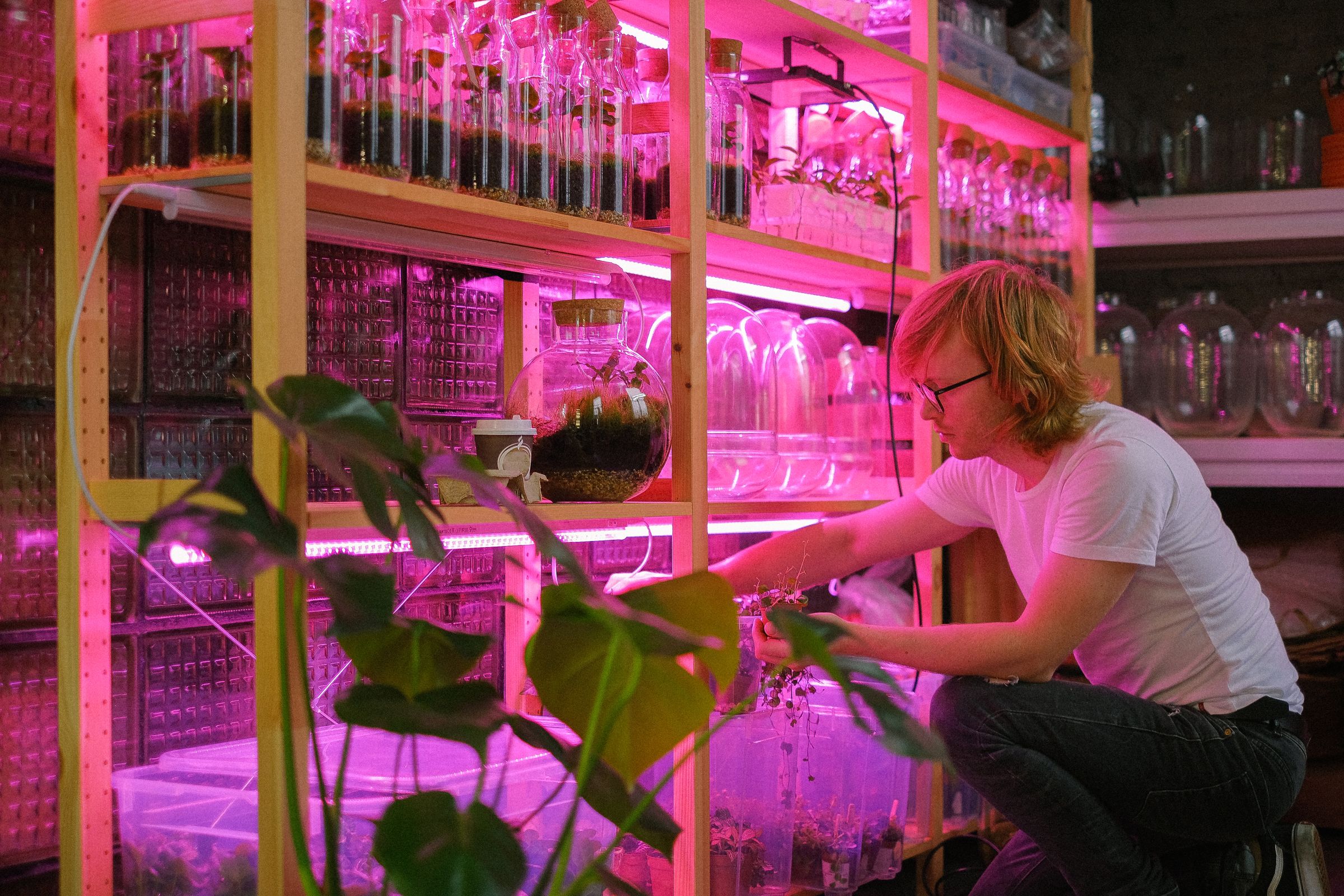
The measure puts marijuana research inside agriculture law and gives 1890 institutions a formal role. It does not set funding or a timeline.
- The bill would create a marijuana research program at 1890 institutions.
- It places cannabis research inside agriculture law, not criminal law.
- The measure does not set funding or a timeline.
- Rep. Troy Carter introduced the bill with Dina Titus as a sponsor.
- Historically Black land-grant schools, known as 1890 institutions, could get a formal role in federal marijuana research
Historically Black land-grant schools, known as 1890 institutions, could get a formal role in federal marijuana research. In Washington, H.R. 9344 would amend the National Agricultural Research, Extension, and Teaching Policy Act of 1977 to create a marijuana agricultural research program at those schools.
That matters because once Washington gives a question a federal home, it also gives it shape. For researchers, growers and businesses watching cannabis policy, the choice of who leads the work can influence the questions asked, the expertise built and the credibility behind the answers.
Who gets to lead the science
The bill puts the issue inside agriculture law, not criminal law. That is a quiet but meaningful distinction, because it frames marijuana as a subject for plant science, extension work and teaching rather than only as a policy fight over prohibition or enforcement.
The measure does not spell out a funding level, timeline or list of campuses. Even so, it makes its center of gravity clear: 1890 institutions would be the schools positioned to carry out the research program.
A narrow bill with wider stakes
Louisiana Representative Troy Carter introduced the bill on June 18, with Representative Dina Titus listed as a sponsor. The practical question is not whether marijuana becomes legal through this measure. It is which institutions get federal research footing as the crop becomes a more serious subject for agriculture science.
That can matter for research capacity, grant opportunities and the standing of historically Black land-grant schools in a fast-moving field. Small as the text is, it gives those schools a defined place in work that has often been scattered between health policy, law and state-level experimentation.