environment
BLM could send leftover damage money to other public lands
A House appropriations provision would let the Bureau of Land Management apply excess forfeiture and settlement money to other repair jobs once the original site is covered.
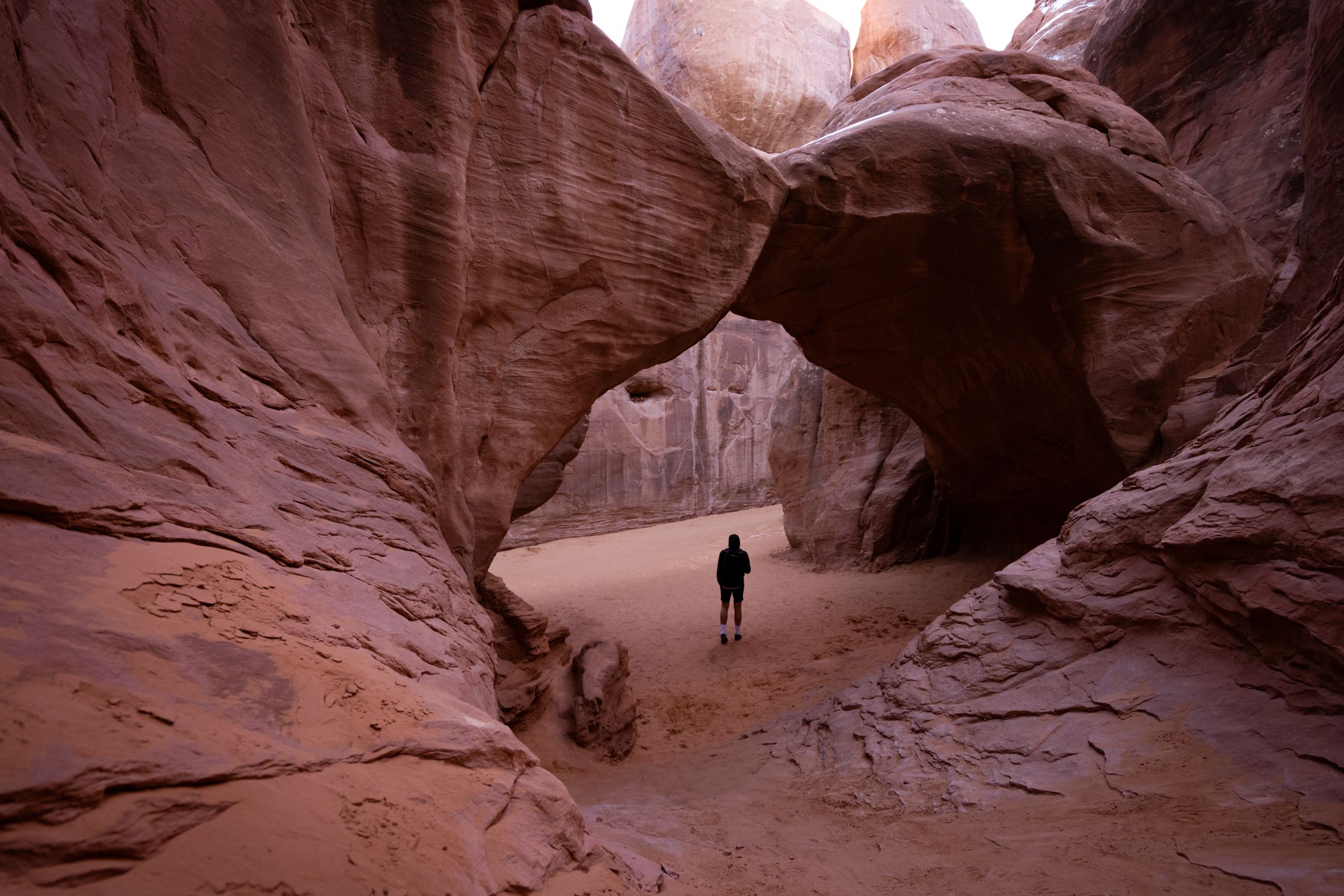
A House spending bill would give the Bureau of Land Management more flexibility with damage payments. After the original site is repaired, any leftover money could be used on other damaged public lands.
- BLM could reuse leftover damage payments after the original site is repaired.
- The money comes from forfeiture, compromise or settlement under the Mineral Leasing Act.
- Only excess funds, not the first dollars needed for the damaged site, can be redirected.
- The provision is aimed at public-land repairs, not a new fee.
- A federal land repair pot would get a little more reach under a provision in Washington
A federal land repair pot would get a little more reach under a provision in Washington. The Bureau of Land Management, or BLM, could reuse money collected through forfeiture, compromise or settlement under section 28 of the Mineral Leasing Act to repair other damaged public lands once the original site has been made whole.
That matters because damage payments do not always line up neatly with the cost of the repair. If the site that produced the money does not need every dollar, the excess would not be trapped there. It could be redirected to other public-land damage instead.
How the money moves
The authority is narrow. It covers only money received through forfeiture, compromise or settlement under section 28 of the Mineral Leasing Act, and only if the money is not appropriate for refund under section 305(c) of Public Law 94-579. It does not create a new fee or a new general-purpose fund.
The original damaged land still comes first. The excess can be used elsewhere only after enough money is available to repair the exact land for which the funds were collected. That guardrail keeps the first site in line while letting leftover dollars work a second time.
A small shift with practical payback
For BLM staff, the change is about flexibility. A payment tied to one parcel could help restore another stretch of federal land if the first job comes in under budget or needs less money than expected.
For people who use or live near public lands, that can mean more repair work getting done with the same dollars. The provision appears in the service charges, deposits and forfeitures section of the FY2027 Interior, Environment, and Related Agencies Appropriations Act, but its effect is straightforward: repair money can follow the damage.