Customs
CBP starts a shelter-dog pilot for support work
Homeland Security would have 60 days to launch the test, which runs for three years and could give shelter dogs a federal role at CBP.
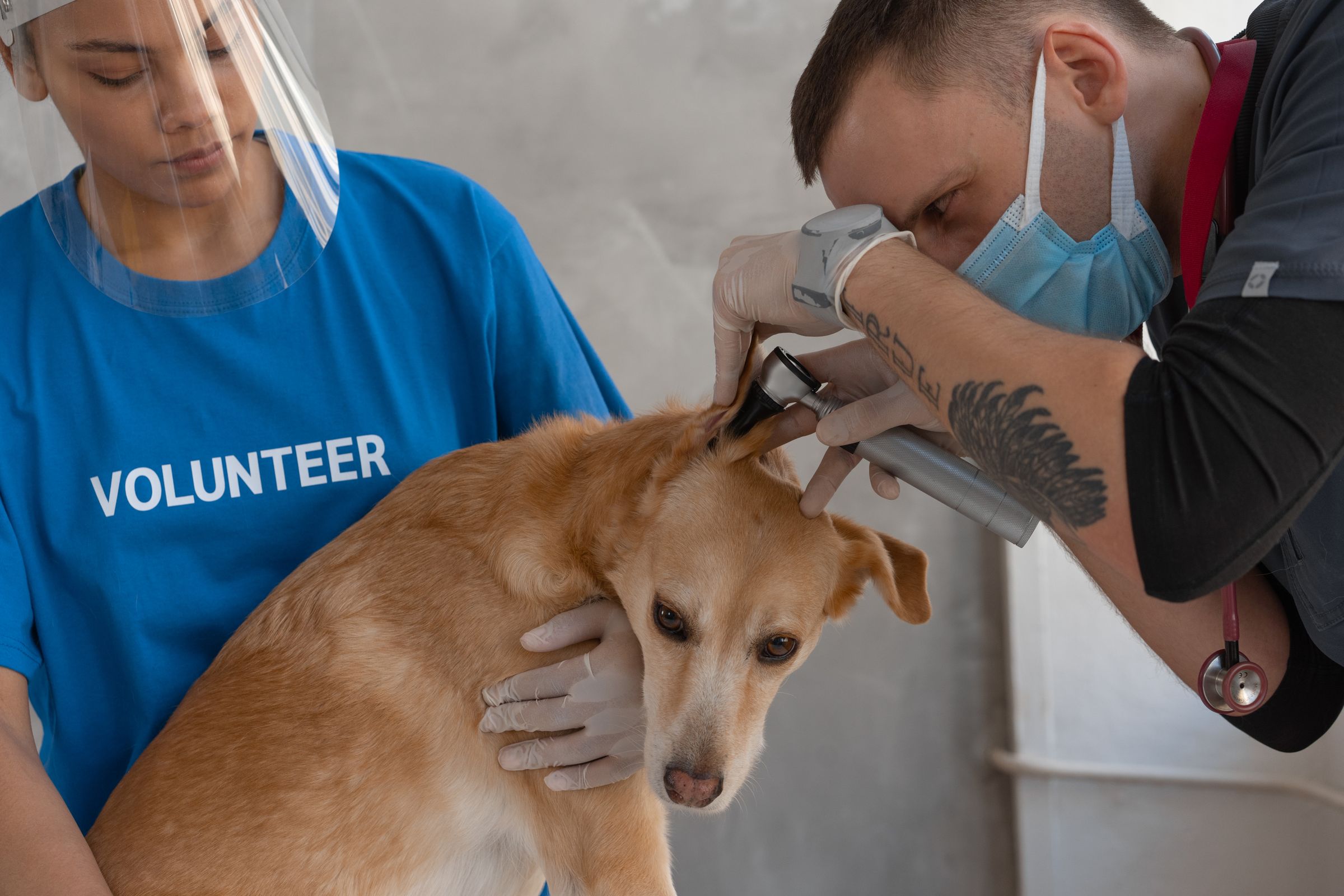
A House bill would create a temporary CBP pilot to adopt dogs from local shelters and train them for the agency’s Support Canine Program. The test would start within 60 days of enactment and end after three years.
- CBP could adopt dogs from local animal shelters for support work.
- Homeland Security would have 60 days after enactment to set up the pilot.
- The pilot would end three years after it begins.
- The bill does not spell out how many dogs would be used or how they would be chosen.
A federal proposal would let U.S. Customs and Border Protection, or CBP, adopt dogs from local animal shelters and train them as support dogs for its Support Canine Program. The idea is aimed at giving the agency a new source of dogs that can do this kind of work, while offering shelters another possible outcome for animals that may fit the job.
The bill would be carried out by the Secretary of Homeland Security, acting through the CBP commissioner. It would establish the pilot within CBP and tie the dogs to the agency’s existing support canine effort.
How the pilot would work
The proposal would give Homeland Security 60 days after enactment to set up the pilot. Once it begins, the program would end three years later.
That makes the plan temporary and test-focused. It would let CBP see whether shelter dogs can be trained for support work without committing the agency to a permanent program right away.
What is not spelled out
The bill does not say how many dogs could be adopted. It also does not lay out the training standards, the selection process, or how dogs would be placed inside the CBP program.
Those details would shape how far the effort could go in practice. They would help determine whether the pilot stays small or becomes a larger source of dogs for the agency’s support canine work.
Why shelters would care
For shelters, the proposal could create a new federal outlet for dogs that have the right temperament and ability for this kind of assignment. For CBP, it could open a narrower and more practical way to build its canine program without relying only on the usual sources.
The bill’s short title is the Providing Emotional Assistance with Relief and Love Act, or PEARL Act.