justice
Circle K slip-and-fall case goes back to a jury
A Myrtle Beach shopper says Circle K should have warned about a freshly cleaned parking lot. The Fourth Circuit revived Jonathan Lewis’s negligence claim, saying a wet-looking surface may not make the danger obvious.
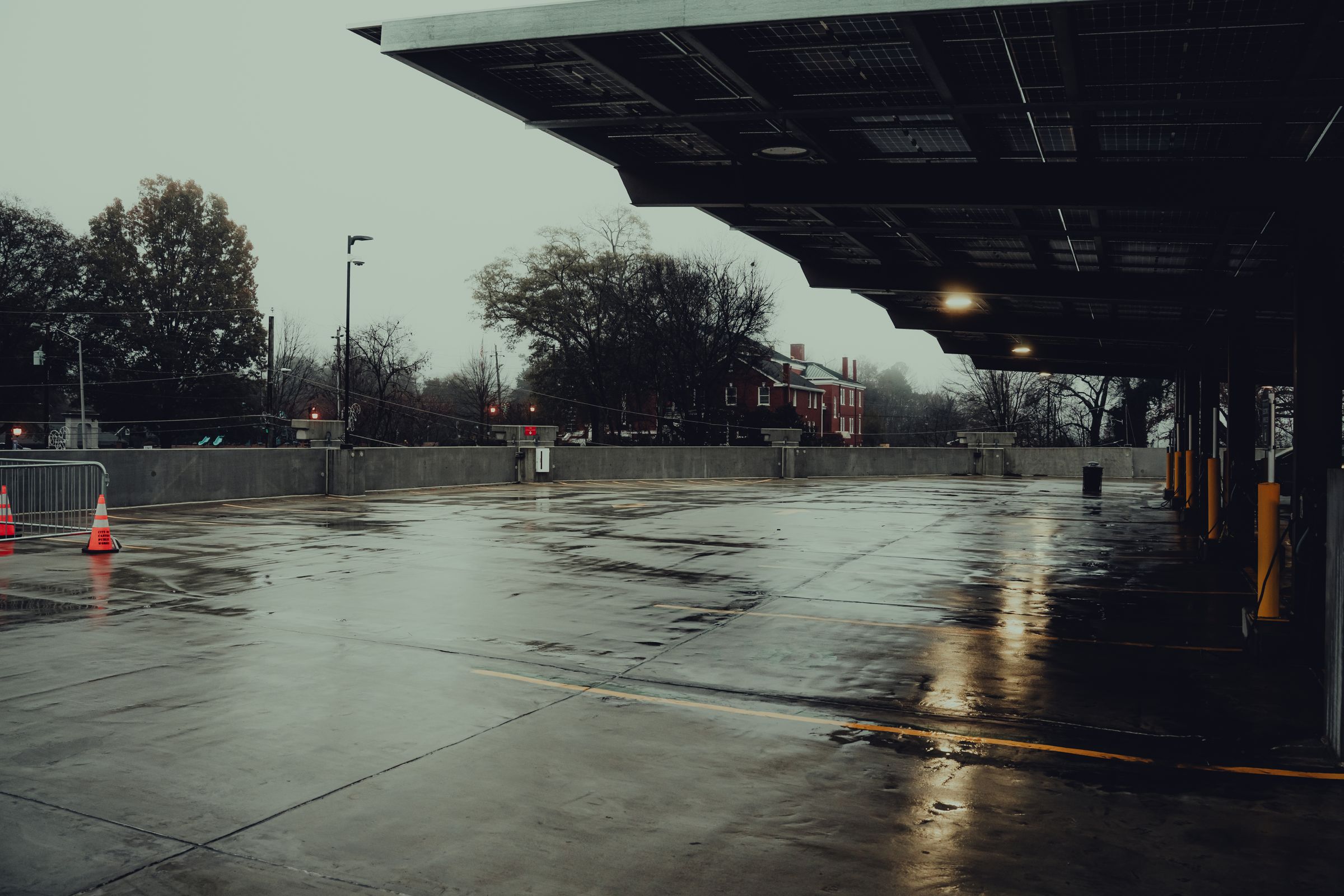
A shopper who slipped outside a Myrtle Beach Circle K gets another chance to prove the store should have warned him about the hazard. The Fourth Circuit said the danger may not have been obvious just because the concrete looked wet.
- Lewis’s slip case goes back to federal court.
- The Fourth Circuit said wet pavement alone may not have made the danger obvious.
- He says the fall led to surgery and a lasting leg impairment.
- Circle K had no signs or cones in place, the opinion says.
- A shopper who slipped outside a Myrtle Beach Circle K in South Carolina gets another chance to prove the store should have warned him about a freshly cleaned parking lot
A shopper who slipped outside a Myrtle Beach Circle K in South Carolina gets another chance to prove the store should have warned him about a freshly cleaned parking lot. The Fourth Circuit reversed a federal judge who had ended Jonathan Lewis’s negligence case, saying a jury could find the danger was not obvious just because the surface looked wet.
Lewis says he stepped on a painted line that had just been washed with water and powdered concrete cleaner. He fell hard, later needed surgery for a patellar tendon rupture, and says his medical bills reached about $430,000. He also says he was left with a 7% permanent impairment in his right leg.
Why the warning mattered
The panel said the hazard was not simply water on concrete. A customer might notice a wet patch and still miss the added risk from the cleaner mixed into it, which is why the case cannot be decided as a matter of law so easily.
The judges also pointed to the store’s missing safeguards. No signs, cones or yellow reflective vest were in place, even though company policy appeared to call for one. Those are the kinds of ordinary warnings a jury can weigh against the risk to shoppers walking out with their hands full.