Sentencing Factors
A Colorado dentist's 41-month tax sentence survives appeal
The Tenth Circuit said a Colorado dentist's tax-evasion sentence was lawful, so Ryan Ulibarri will serve 41 months in prison after his challenge failed.
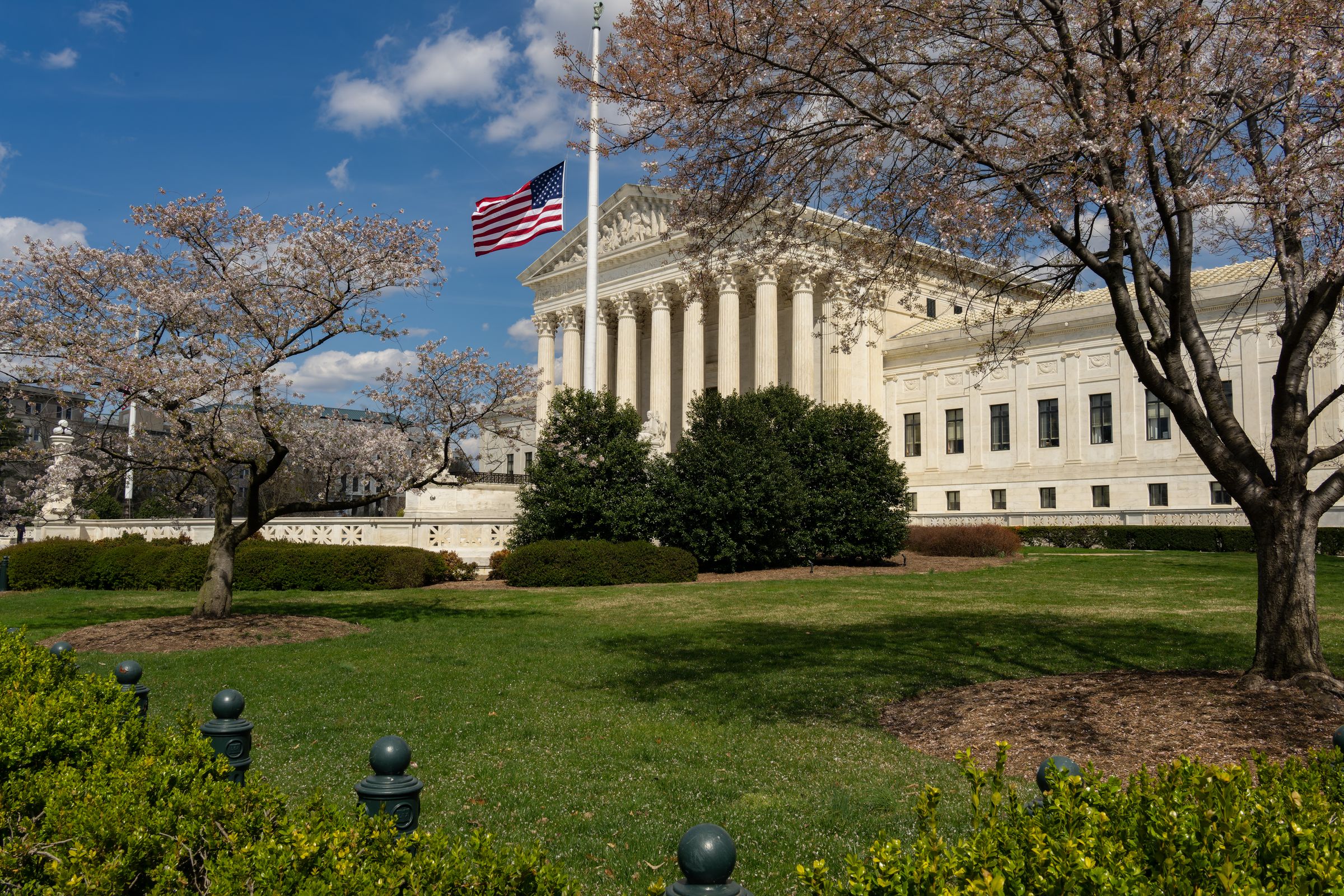
Ryan Ulibarri will serve 41 months in prison for tax evasion after the Tenth Circuit refused to disturb his sentence. The panel said the district court handled the loss calculation and sentencing factors within the law.
- The Tenth Circuit left Ryan Ulibarri's 41-month sentence in place.
- Judges said the district court could count 2023 tax loss in the sentence.
- The court also upheld a sophisticated-means enhancement tied to sham trusts.
- Ryan Ulibarri, a Colorado dentist, will serve the 41-month prison term he received after pleading guilty to tax evasion
- A federal appeals court in the Tenth Circuit said the sentence was both procedurally and substantively reasonable, so the punishment stays where the district court put it
Ryan Ulibarri, a Colorado dentist, will serve the 41-month prison term he received after pleading guilty to tax evasion. A federal appeals court in the Tenth Circuit said the sentence was both procedurally and substantively reasonable, so the punishment stays where the district court put it.
For defendants, that kind of appeal is often the last chance to shave time off a federal sentence. Here, the judges found no error worth undoing.
Why the 2023 tax year counted
Ulibarri argued that the district court should not have included 2023 tax loss when it calculated his range under the federal Sentencing Guidelines. The panel disagreed, saying the evidence showed he kept using the same sham-trust scheme in 2023 that he had used in the earlier years covered by the conviction.
The judges also said the court was allowed to make a reasonable estimate of the loss for that year. Because Ulibarri did not offer a better accounting of his income or deductible expenses, the sentencing judge could rely on the records available.
The adjustment that kept the term in range
The district court also applied a two-level enhancement for sophisticated means, pointing to the multiple sham trusts and other steps used to hide more than $5 million in business income. The Tenth Circuit said that was enough to support the adjustment.
Ulibarri also lost his broader challenge under 18 U.S.C. § 3553(a), the federal sentencing factors that govern whether a punishment is too harsh or too lenient. With both challenges rejected, his 41-month term remains intact.