Trade Remedies
Commerce sets 45.33% duty rate on some Indian glycine
The Commerce ruling covers the 2023 review period and sets a 45.33% rate for Kumar Industries and Bajaj Healthcare. Other covered exporters remain at 5.01%, which helps determine cash deposits on new entries.
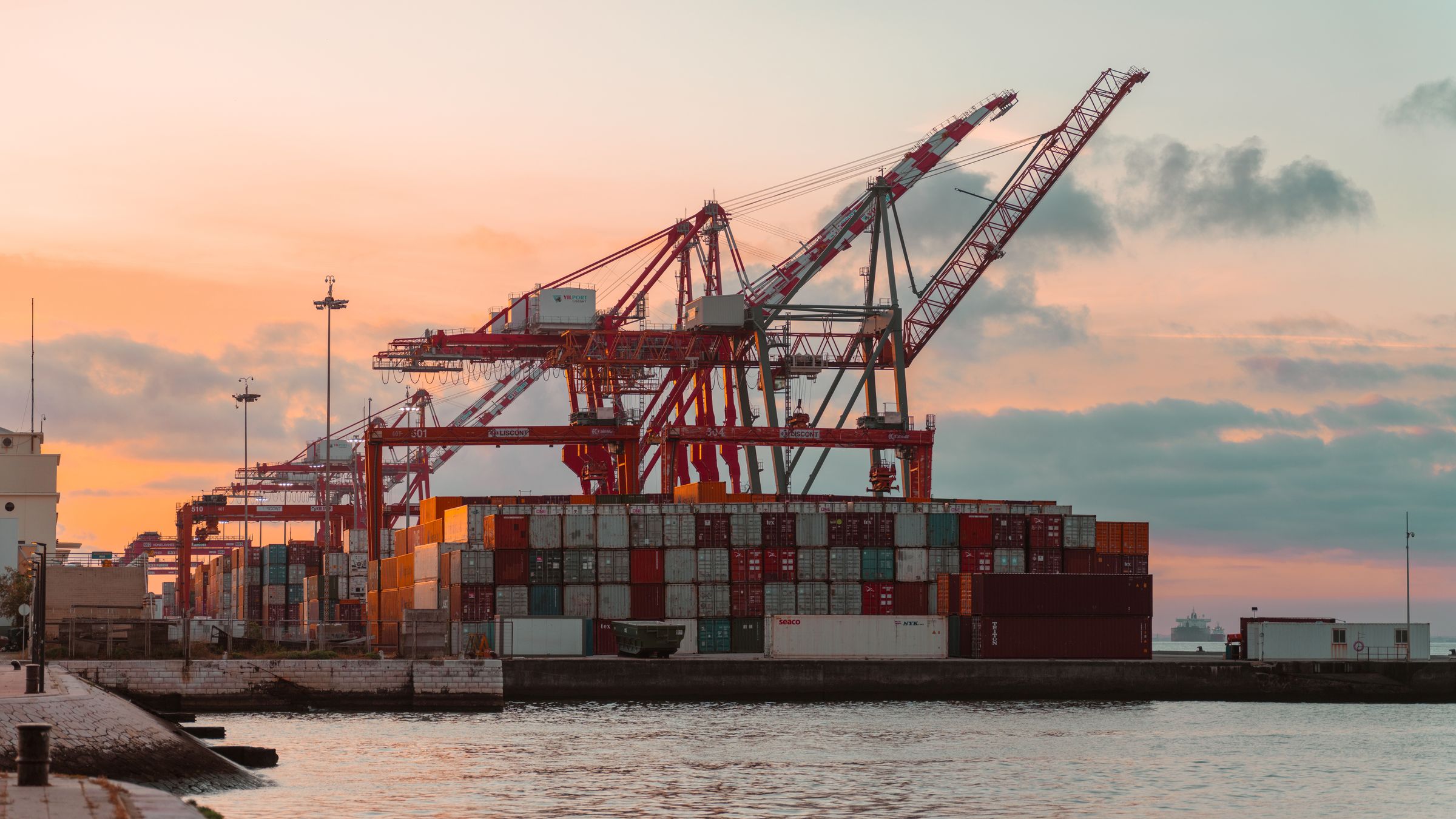
Importers of Indian glycine are facing another round of trade costs. Commerce said certain producers and exporters received countervailable subsidies, and that can affect what buyers pay before the product reaches them.
- Commerce finalized its 2023 review of glycine from India.
- The ruling can keep duties and cash deposits in play.
- One rate is 45.33%; all other covered exporters are at 5.01%.
- Downstream buyers may feel the cost in pricing later.
- Importers of Indian glycine are facing another round of border costs after the Commerce Department’s International Trade Administration finalized its 2023 countervailing duty review
Importers of Indian glycine are facing another round of border costs after the Commerce Department’s International Trade Administration finalized its 2023 countervailing duty review. The agency said certain producers and exporters received countervailable subsidies during Jan. 1, 2023, through Dec. 31, 2023, and the final results are applicable June 16, 2026.
Countervailing duties are import taxes meant to offset foreign government subsidies. When Commerce makes that finding, U.S. Customs and Border Protection can assess duties on covered entries and collect cash deposits on new shipments, which can change what importers pay before the goods even reach their buyers.
Downstream buyers can feel it next
The pressure does not stop at the port. Distributors, wholesalers and companies that use glycine as an input can see the higher border cost move through their own pricing, even when the chemical is just one ingredient in a longer supply chain.
Commerce assigned a 45.33% subsidy rate to Kumar Industries and Bajaj Healthcare, while all other producers and exporters remain at 5.01%. Those are the numbers that shape the cash deposits importers have to post until the order changes again.