Federal Energy Regulatory
Customers on the MISO grid lose a shot at refunds
The 9.98% rate of return used in electric transmission prices will stay in place on the MISO grid after the D.C. Circuit said the Federal Energy Regulatory Commission could rely on its earlier ruling and deny another round of refunds.
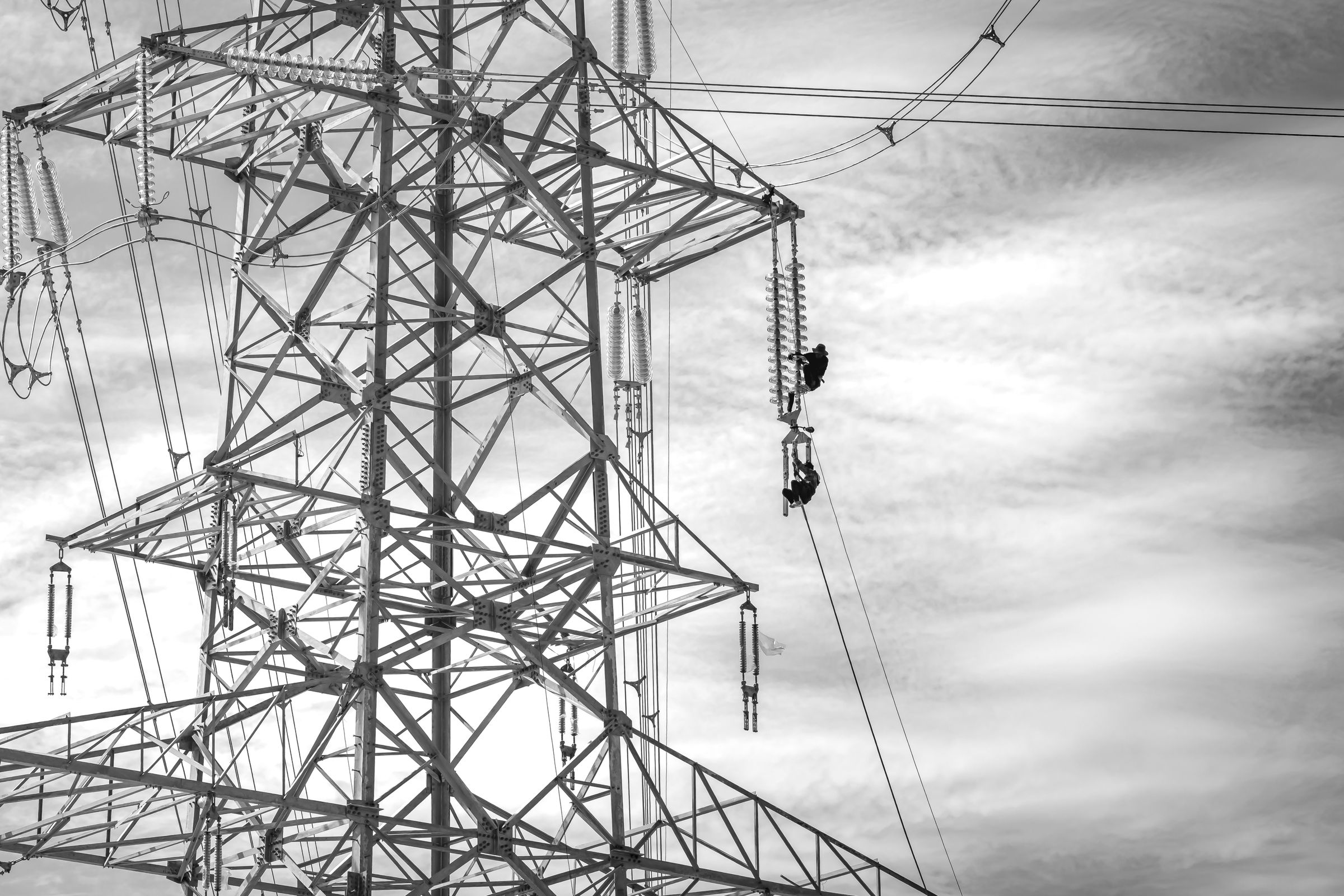
The 9.98% return stays in the cost of moving electricity across the regional grid. Customers who hoped for refunds from the same rate fight do not get another chance.
- No new refunds for MISO customers
- The 9.98% transmission return stays in place
- FERC found the rate was not unjust or unreasonable
- The D.C. Circuit said an earlier MISO ruling controls
- Electric bills tied to the Midcontinent Independent System Operator, or MISO, will keep carrying the same disputed transmission return after the D.C
Electric bills tied to the Midcontinent Independent System Operator, or MISO, will keep carrying the same disputed transmission return after the D.C. Circuit refused to reopen the fight over it. The court said the Louisiana Public Service Commission’s challenge to the 9.98% rate is barred by the law-of-the-case doctrine, and that left the Federal Energy Regulatory Commission, or FERC, with no reason to order another round of refunds.
That is the practical bottom line for households, large power buyers and state regulators watching transmission costs. The benchmark stays where it was, and the money customers hoped to claw back stays out of reach.
Why the rate stayed
The court pointed to its earlier MISO Transmission Owners decision, which it said controls this dispute and requires FERC to apply the return in effect at the time of decision, including in related proceedings. In the second-complaint case, FERC used that framework to ask whether the 9.98% return was unjust and unreasonable.
It concluded that it was not. Once FERC reached that answer, it declined to order refunds, leaving the contested return intact instead of resetting the charge for customers on the MISO grid.
What customers lose
Transmission returns are not abstract. They are built into the rates that help determine what electricity costs to move across the grid, so even a percentage point carried for months or years can matter in the real world.
For utilities and transmission owners, the ruling preserves the existing benchmark. For customers, it closes off another path to lower bills through refunds based on the same rate fight.
- The 9.98% return remains the operative benchmark.
- FERC did not have to order more refunds in the second-complaint case.
- The ruling affects electricity costs across the MISO footprint.