Defense budget
Defense budget faces a $750 billion cap
Senator Ed Markey’s bill would set a hard limit for fiscal 2027 before the Pentagon spending fight gets underway. The ceiling would leave less room for new programs, contracts and other requests.
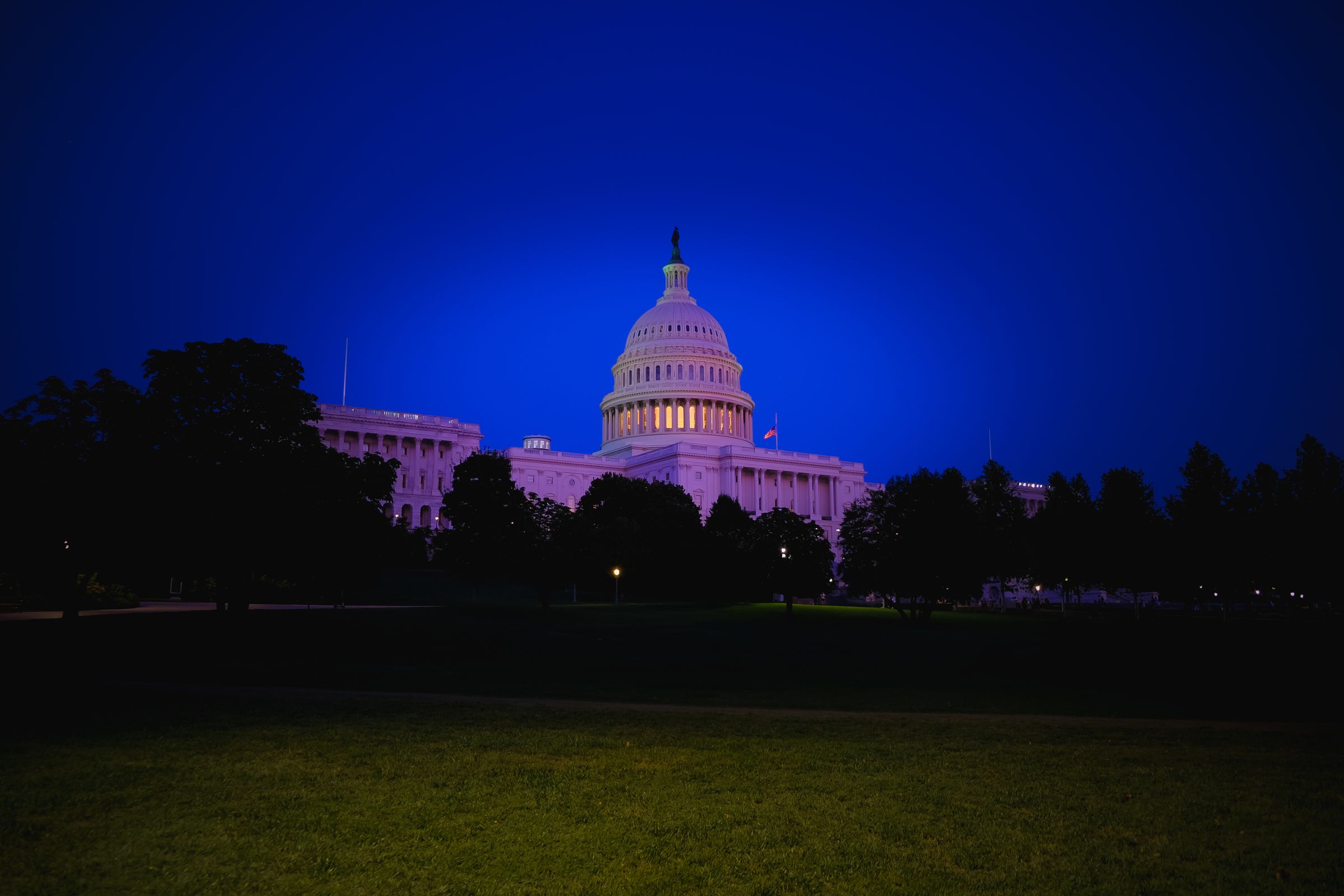
A Senate bill from Senator Ed Markey would put a $750 billion ceiling on fiscal 2027 national defense authorization. It is an introduced measure, so the cap would shape the debate but not the final Pentagon bill.
- The bill would cap fiscal 2027 defense authorization at $750 billion.
- It is an authorization limit, not the final Pentagon spending bill.
- Pentagon planners and contractors would have less room to add new spending.
- Markey is the lone sponsor of the Senate measure.
- Markey of Massachusetts is trying to put a hard lid on next year's Pentagon budget
In the Senate, Sen. Edward J. Markey of Massachusetts is trying to put a hard lid on next year's Pentagon budget. His bill would cap the amount authorized to be appropriated for national defense in fiscal 2027 at $750 billion.
That is an authorization cap, not the final spending bill. But it matters because it sets the ceiling Congress can use when it draws the defense blueprint, and it tells military planners there is a smaller room to fit personnel, weapons, maintenance and long-term programs.
The number that does the work
A $750 billion top line is not just a budget slogan. Once the cap is in place, every new initiative has to compete for space inside that same number, whether the money is meant for a new platform, a contract extension or a base-level operating need.
That kind of constraint can be felt early, before the final appropriations fight starts. If leaders want to add something new, they have to find room for it somewhere else, which can make the pressure show up in the less visible parts of the defense account.
Who feels the squeeze first
Defense contractors would feel it in the planning stage, when agencies start deciding which projects can fit and which ones slip. Military programs and installations would feel it too, because a tighter ceiling can narrow the options for upgrades, staffing and routine operations.
Taxpayers are on the other side of the same equation. The bill is a direct attempt to hold down the size of next year's national defense authorization, turning a single number into the center of a larger argument about how much room Washington should leave for military spending.