Syngenta Crop Protection
EPA sets residue limit for pydiflumetofen on sugarcane
The final rule took effect June 15, 2026, after Syngenta Crop Protection asked EPA to set the tolerance under federal food law. Objections or hearing requests are due Aug. 14.
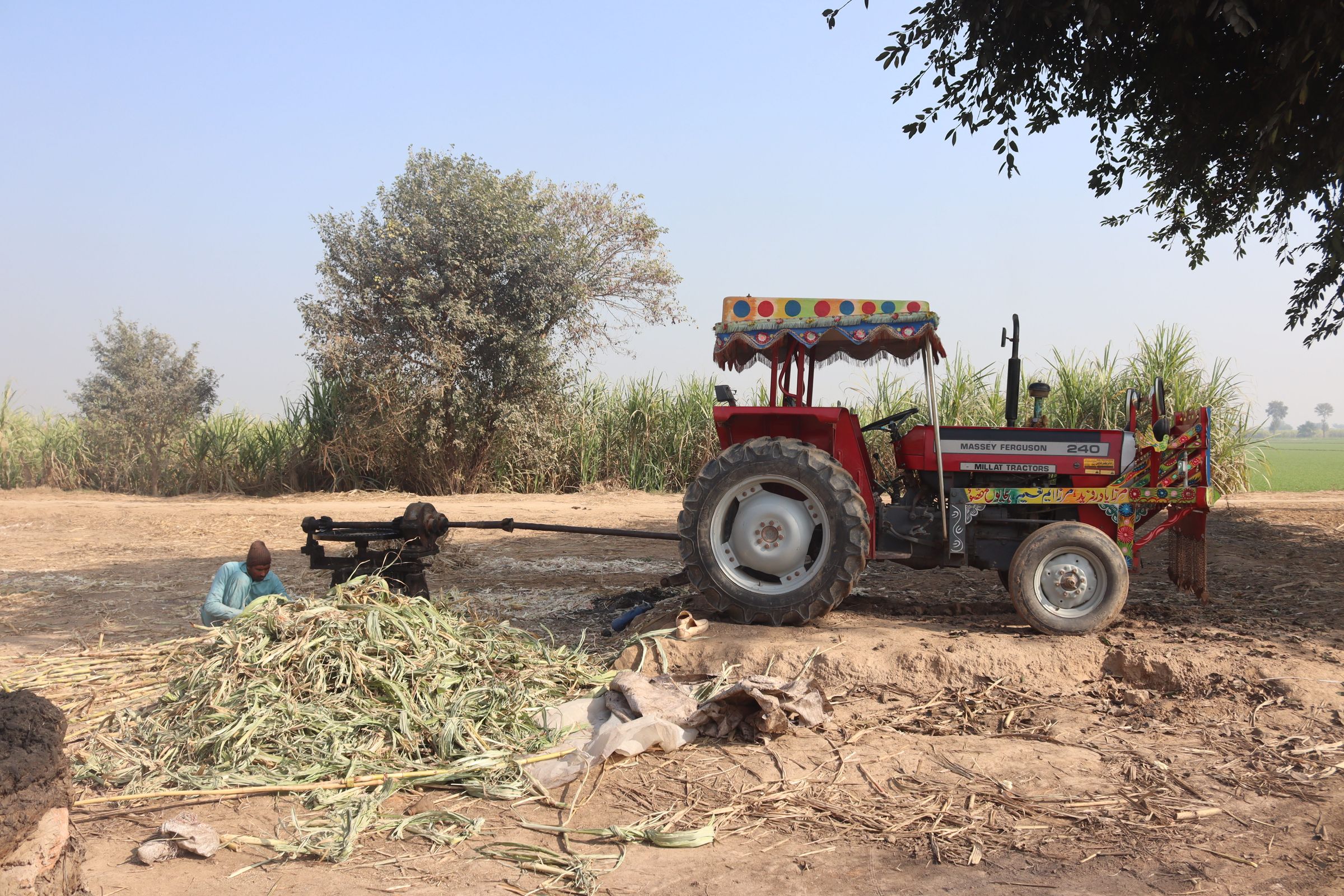
EPA finalized a legal residue limit for pydiflumetofen on sugarcane, giving growers and food makers a clearer rule to follow. The rule is effective June 15, 2026, and objections or hearing requests are due Aug. 14.
- EPA’s new sugarcane tolerance took effect June 15, 2026.
- The rule sets the legal residue limit for pydiflumetofen.
- Objections or hearing requests are due Aug. 14, 2026.
- Sugarcane growers and the companies that buy, mill and ship the crop now have a federal residue limit to work around
- The Environmental Protection Agency finalized a tolerance for pydiflumetofen on sugarcane, cane, giving the pesticide a legal ceiling under food law as the crop moves through the food and feed supply chain
Sugarcane growers and the companies that buy, mill and ship the crop now have a federal residue limit to work around. The Environmental Protection Agency finalized a tolerance for pydiflumetofen on sugarcane, cane, giving the pesticide a legal ceiling under food law as the crop moves through the food and feed supply chain.
The rule took effect June 15, 2026. EPA said Syngenta Crop Protection, LLC asked for the tolerance, and the agency set the limit under the Federal Food, Drug, and Cosmetic Act.
A ceiling on the crop
A pesticide tolerance is the maximum residue allowed on a food crop. It does not mean the crop has to be treated with the pesticide, but it does define how much can remain when the crop reaches market under the Federal Food, Drug, and Cosmetic Act, which matters to growers, handlers and food manufacturers checking compliance.
EPA said the action covers residues of pydiflumetofen, a fungicide, on sugarcane, cane, a food and feed commodity. That puts the crop inside a clearer federal rulebook for agricultural producers, food manufacturers and pesticide manufacturers alike.
The next deadline
Anyone who wants to challenge the rule has until Aug. 14, 2026, to file objections or request a hearing. For the sugarcane industry, that is the next public marker on a rule that is already in force.
The practical effect is straightforward: the crop now has a federally recognized residue limit, and the compliance question shifts to whether producers can meet it.