FDA medical device classification
FDA puts light-projecting endoscope in class II
The device still needs 510(k) review, but not the most restrictive approval path, after FDA said special controls can manage the main risks it poses. The order took effect June 22, 2026.
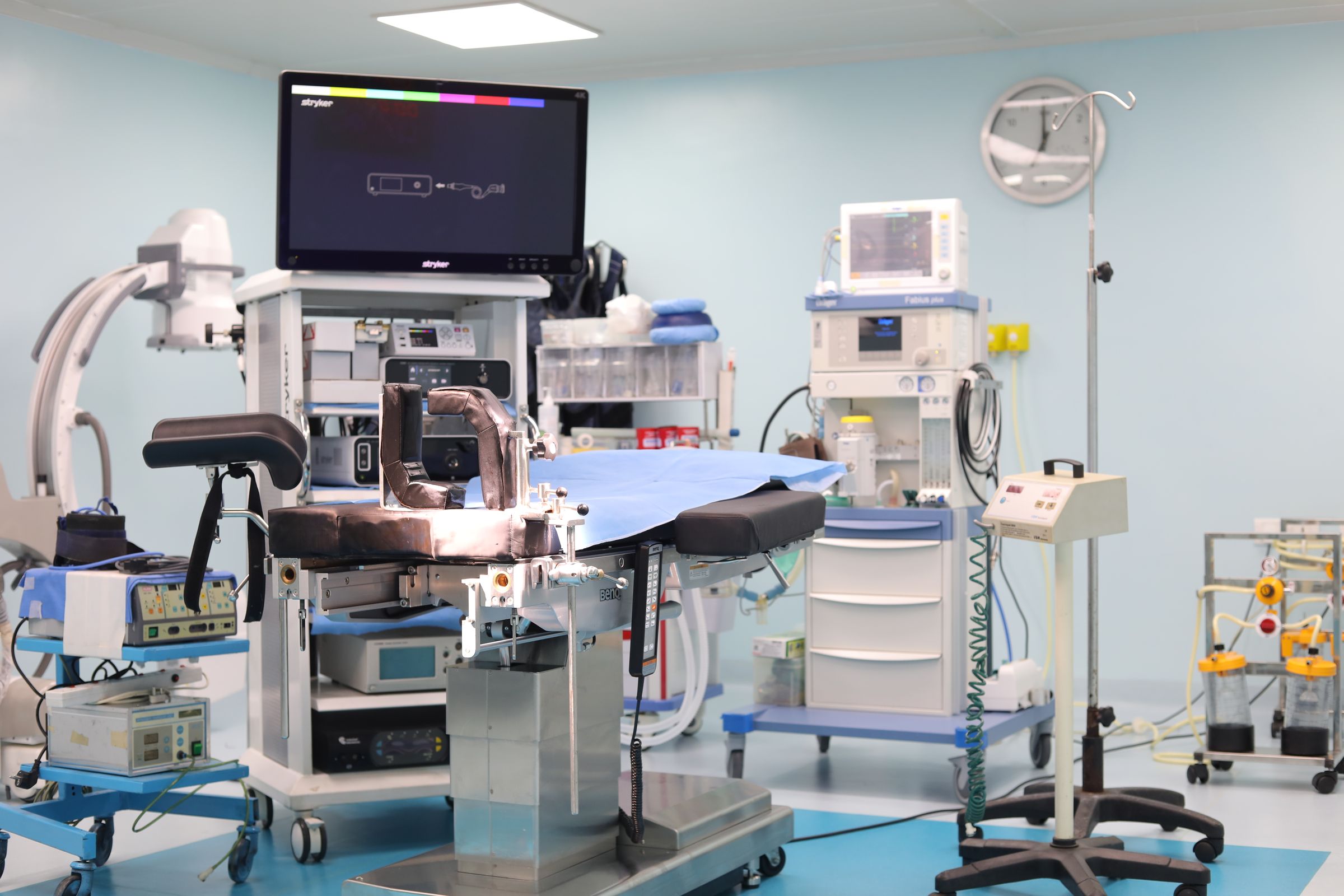
That means the product still needs 510(k) review, but not the most restrictive approval path. FDA says the order became effective June 22, 2026.
- FDA placed the device in class II, the middle device category.
- The new special controls are now part of the codified rulebook.
- The order took effect June 22, 2026.
- FDA says the change should reduce regulatory burden without weakening oversight.
- In Washington, the Food and Drug Administration has placed an endoscopic light-projecting measuring device in class II, the category that sits between general controls and the stricter premarket approval track
In Washington, the Food and Drug Administration has placed an endoscopic light-projecting measuring device in class II, the category that sits between general controls and the stricter premarket approval track. For device makers, that means the product can move forward under a defined set of special controls instead of facing the heaviest regulatory lane.
The agency says the order became effective June 22, 2026. Its view is simple: the device can still be kept to a standard that gives reasonable assurance of safety and effectiveness, while avoiding extra regulatory burden that could slow access to useful new tools.
A middle-tier label
The device falls under 21 CFR part 876, the section covering gastroenterology-urology devices. FDA says the special controls for this product type will now be codified there, which turns them into part of the formal rulebook for the device.
Those controls are meant to cover the main safety questions that come with a device that projects light onto a mucosal surface and uses software to measure observable features. FDA points to testing, validation, biocompatibility, electromagnetic compatibility and reprocessing instructions for reusable components as part of that framework.
A steadier route to market
For clinicians and patients, the practical effect is not a promise of a better outcome. It is a more settled regulatory path for a device FDA believes can be supervised without the most restrictive level of review.
That matters because classification shapes how quickly a product can reach the market and what evidence manufacturers have to provide along the way. Here, the agency says the balance still protects safety and effectiveness while opening the door a little wider for beneficial innovative devices.