The Federal Reserve Conversation
Federal Bitcoin holdings face a long lockup
The proposal would set a 180-day deadline for Treasury to build the reserve system and would bar disposal of qualifying Bitcoin for 20 years. It also asks Treasury and Commerce to study budget-neutral ways the government could acquire more Bitcoin later.
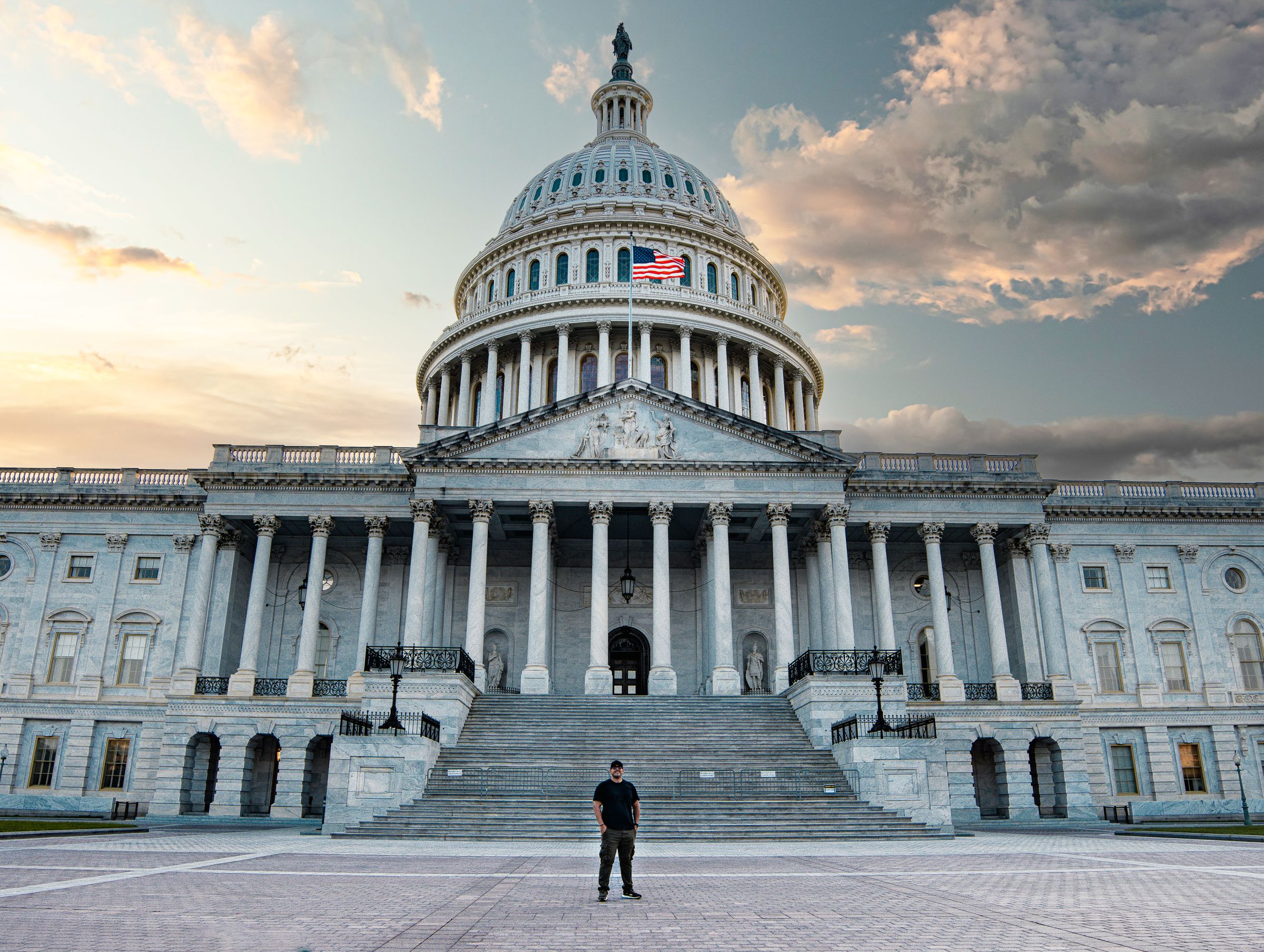
A House bill would force the federal government to treat Bitcoin more like a reserve asset than a tradeable holding. The measure adds reporting, security and audit rules, and it orders a study of whether future purchases could be done without new taxpayer costs.
- Treasury would create a Strategic Bitcoin Reserve within 180 days of enactment.
- Bitcoin in the reserve could not be sold for 20 years.
- The bill pairs the reserve with a separate digital asset stockpile.
- It calls for quarterly public reports and independent verification.
- The sponsor list includes 23 lawmakers, among them one Democrat.
A House bill in Washington would put Bitcoin into the federal reserve conversation in a very literal way. The American Reserve Modernization Act of 2026 would direct the Treasury Department to create a Strategic Bitcoin Reserve for qualifying Bitcoin held by the government, alongside a separate Digital Asset Stockpile for other digital assets.
For taxpayers, the point is not just the name. The bill says the reserve system should be managed transparently, with public reporting on holdings and transactions, while also looking to offset costs using certain resources of the Federal Reserve System.
What the government would have to hold
The bill says Treasury would have to set up the Strategic Bitcoin Reserve within 180 days after enactment, and it would cover Bitcoin the federal government has acquired through forfeiture, penalties or similar channels. Other digital assets would go into a different Treasury structure, with the secretary responsible for monitoring and auditing both.
The proposal goes further than storage. It would require quarterly public reports, a public cryptographic attestation, a digital proof of the reserve's holdings, and an independent auditor to verify the records. If federal agencies were still holding Bitcoin or other digital assets when the system came online, they would have to account for those assets and transfer them into the new framework.
A long lockup, and a state option
Bitcoin in the reserve could not be sold, swapped, auctioned or otherwise disposed of for at least 20 years. Within a year, the Treasury secretary would also have to study what conditions, if any, might justify selling before that holding period ends.
The bill was introduced May 21 by Rep. Nicholas J. Begich and referred to the House Financial Services Committee. It has 23 sponsors in all, including one Democrat, Jared Golden of Maine. States would get an optional path into the system, with the ability to store Bitcoin in a segregated reserve account while keeping title to the assets and the right to withdraw or transfer them under the agreement.