labor law / WARN Act
Fifth Circuit makes Bayou Steel workers prove investor control
The Fifth Circuit said Black Diamond Capital Management was not shown to have ordered the LaPlace shutdown. That leaves workers needing a clearer link to the decision that triggered the layoffs.
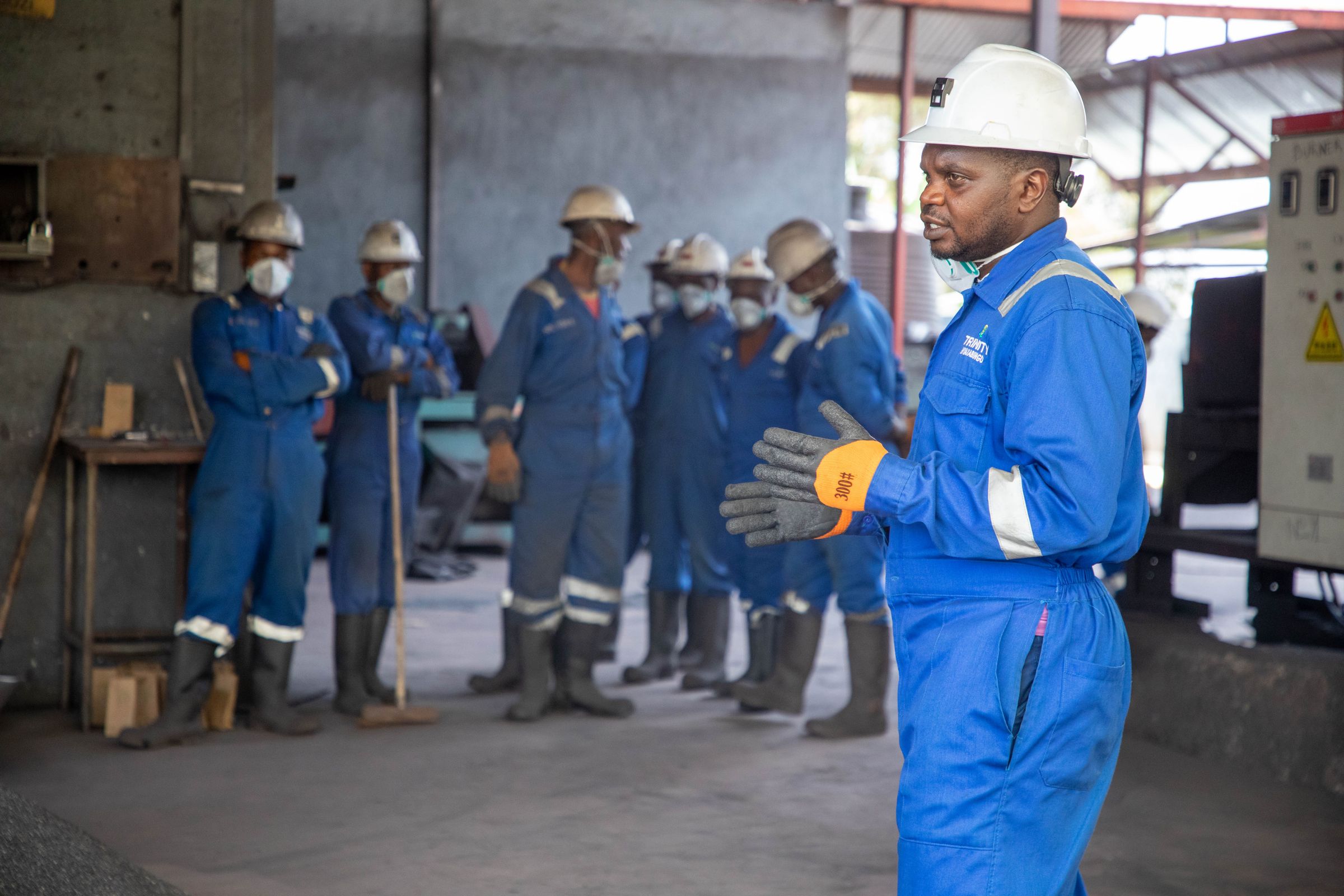
A federal appeals court made it harder for laid-off workers to hold investors liable under the WARN Act. In the Bayou Steel case, judges said the record did not prove Black Diamond Capital Management specifically ordered the plant closure.
- Workers lost their bid to make Black Diamond Capital Management pay WARN damages.
- The Fifth Circuit said direct proof of an order mattered more than ownership or influence.
- The ruling makes investor-liability claims in mass-layoff cases harder to prove.
- Bayou Steel’s LaPlace plant shut down after notices went out on Sept. 30.
- Bayou Steel workers in LaPlace, Louisiana, lost another path to damages in federal court when the Fifth Circuit said they had not proved Black Diamond Capital Management specifically ordered the plant shutdown
Bayou Steel workers in LaPlace, Louisiana, lost another path to damages in federal court when the Fifth Circuit said they had not proved Black Diamond Capital Management specifically ordered the plant shutdown. The case turns on the Worker Adjustment and Retraining Notification Act, or WARN Act, which requires advance notice before certain mass layoffs.
For workers, that distinction matters because a company can feel the force of an investor without being able to prove the investor pulled the trigger. The ruling says that is not enough on its own. The court drew the line at direct instruction, leaving workers with a narrower path when the decision sits above the plant floor and the paper trail does not show who gave the order.
The proof problem
The opinion centers on causation, not just control. Ownership, leverage and influence may all be part of the story, but the judges said the workers did not prove Black Diamond specifically directed Bayou Steel to close the LaPlace plant.
Bayou Steel’s plant shut down after layoff notices went out on the morning of Sept. 30. That sequence helped frame the dispute, but it did not solve the workers’ bigger problem: tying the shutdown to the investor they blamed under the WARN Act.
Beyond one steel plant
The practical reach goes past Bayou Steel. Workers and lawyers handling investor-backed plant closures now face a tougher case when the evidence shows pressure or involvement but not a clear order to lay people off.
That makes the ruling a warning sign for future WARN cases. It does not erase the law’s protections, but it raises the bar for proving who caused the layoffs when responsibility is spread across managers, lenders and owners.