FISA surveillance powers
FISA surveillance powers get three more weeks
The extension would move title VII’s sunset from June 12 to July 2, buying lawmakers time to decide what comes next before the authority lapses.
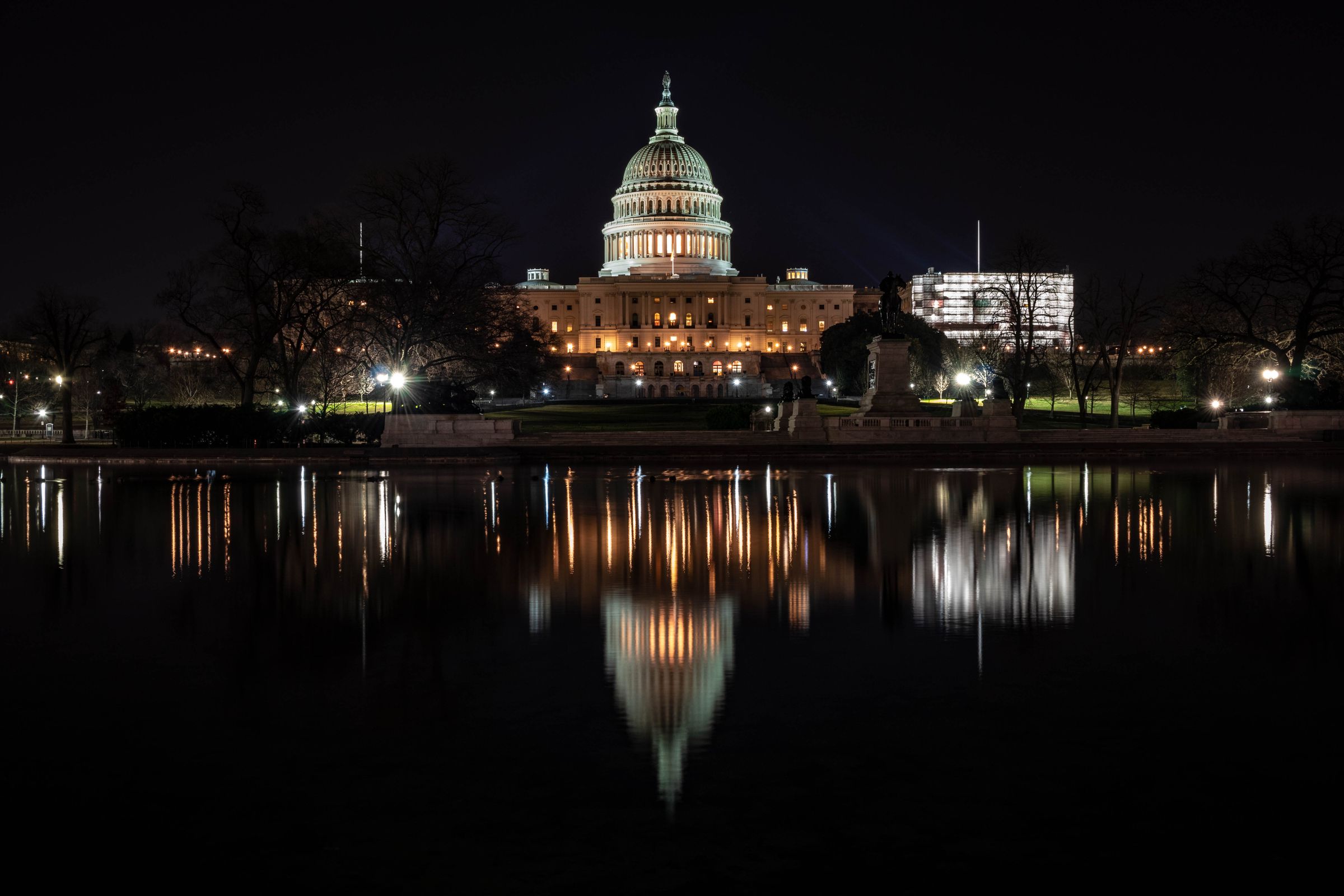
A bill from Representative Eric A. "Rick" Crawford would push the sunset for title VII of the FISA Amendments Act to July 2, 2026. It gives Congress a short reprieve while the bigger privacy-versus-security fight stays open.
- The bill moves the FISA sunset to July 2, 2026.
- It takes effect on enactment or June 11, 2026, whichever comes first.
- Available vote records show at least one recorded vote was close.
- People whose communications can be collected under title VII of the FISA Amendments Act of 2008 are getting three more weeks before the current sunset
- In Washington, the bill moves the repeal date from June 12 to July 2, 2026, and says the change takes effect on enactment or June 11, 2026, whichever comes first
People whose communications can be collected under title VII of the FISA Amendments Act of 2008 are getting three more weeks before the current sunset. In Washington, the bill moves the repeal date from June 12 to July 2, 2026, and says the change takes effect on enactment or June 11, 2026, whichever comes first.
It is a narrow extension, not a rewrite of the surveillance law. The point is to keep the authority from lapsing while the larger fight over what should happen next stays open.
A clock that keeps ticking
Title VII sits inside the Foreign Intelligence Surveillance Act, or FISA, the law that governs certain intelligence collection in the United States. When a deadline is this close, the practical question is simple: does the authority stay alive or fall away?
Available vote records show at least one recorded vote was close.
A pause, not a settlement
Representative Eric A. "Rick" Crawford of Arkansas is the sole sponsor. The bill does one thing, and only one thing: it swaps one date for another, moving the sunset from June 12 to July 2.
That buys lawmakers time, but it does not resolve the privacy-versus-security argument that keeps coming back whenever the FISA clock nears zero.