Emergency Food Assistance Act
Food banks could tap a new produce supply line
Under the Senate bill, emergency food aid could order commodities through a Defense Department program already used for fresh fruits and vegetables. That could make it easier to keep boxes stocked when one route is strained.
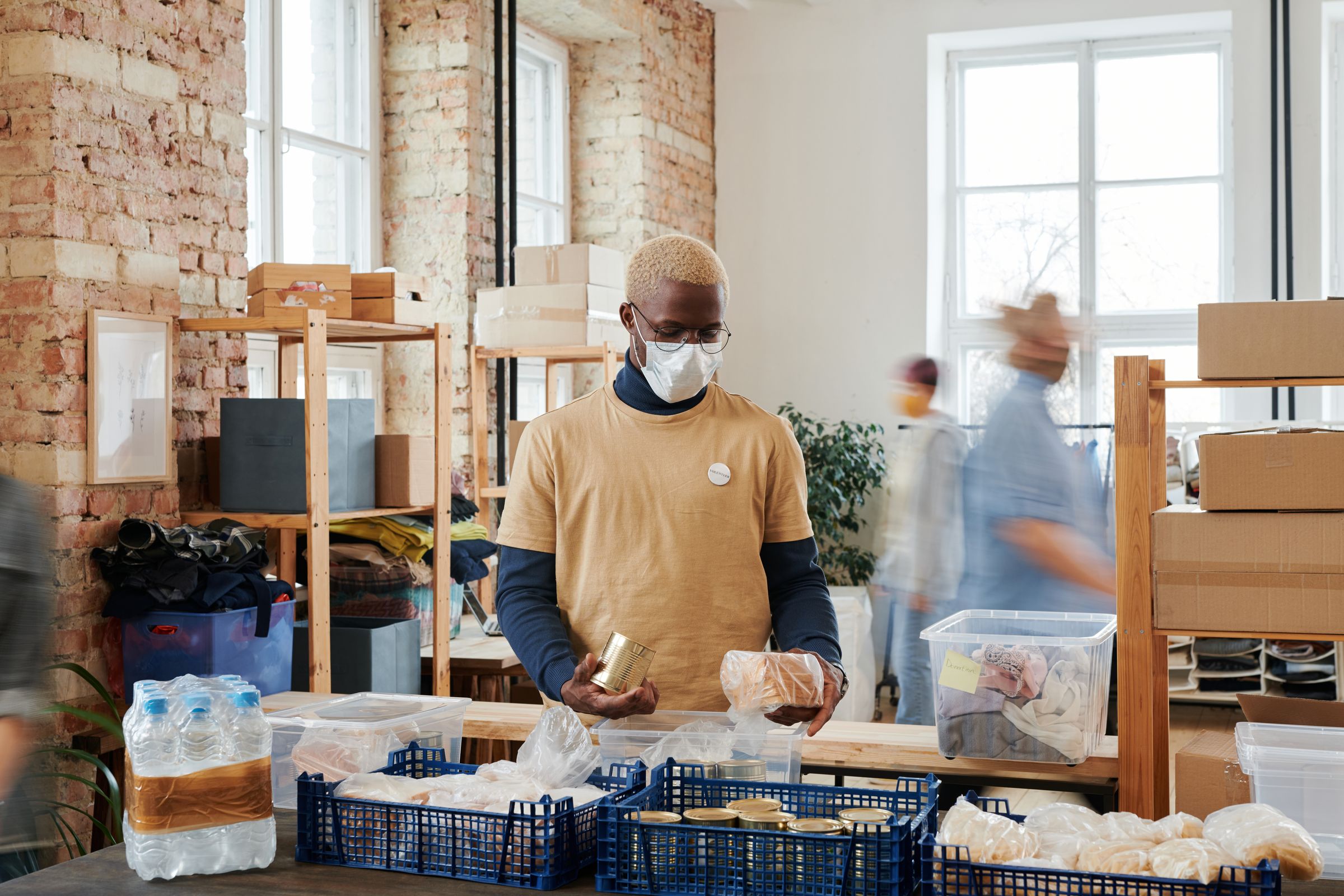
The bill is narrow. It changes how emergency food aid can buy produce, not who qualifies for help. Supporters say the added sourcing lane could give food banks and distributors more flexibility in tight supply periods.
- The bill would let emergency food aid order produce through a Defense Department program.
- It adds a new sourcing route, not a new food-aid benefit.
- Food banks and local distributors could get more flexibility when supply is tight.
- The proposal would amend the Emergency Food Assistance Act of 1983.
- Fresh food in emergency boxes could get a new buying route
Fresh food in emergency boxes could get a new buying route. In the Senate, a bill introduced June 18 by Adam Schiff of California and Cindy Hyde-Smith of Mississippi would amend the Emergency Food Assistance Act of 1983 so commodities for the program could be ordered through the Department of Defense Fresh Fruit and Vegetable Program.
For households that rely on emergency food aid, the change is less about where the purchase order lands than whether fresh produce can keep moving into local food networks when supplies are tight.
A second buying lane
The measure does not rebuild the emergency food program. It adds one more procurement channel, which could matter for agencies and partners that have to buy, move and distribute food on a schedule that leaves little room for delay.
If the system works as intended, food banks and other local distributors would have another way to source produce without changing the basic purpose of the program. The point is flexibility in ordering commodities, not a new benefit or a wider federal food-aid mandate.
Why a backup supply path matters
Food assistance can be only as reliable as the chain that fills it. A second route for fresh produce could help when one supply line is strained, giving administrators another place to look before a box goes out empty or a shelf stays bare.
That is why the bill’s reach is narrow but practical. It focuses on the mechanics of getting food where it is needed, and for families waiting on local distribution, those mechanics can shape what actually arrives.