Agriculture
Food supply chains get a permanent federal backstop
The Senate measure would keep resilience aid flowing beyond short-term grants and add regional hubs to help local systems respond faster when weather, transport or other shocks hit.
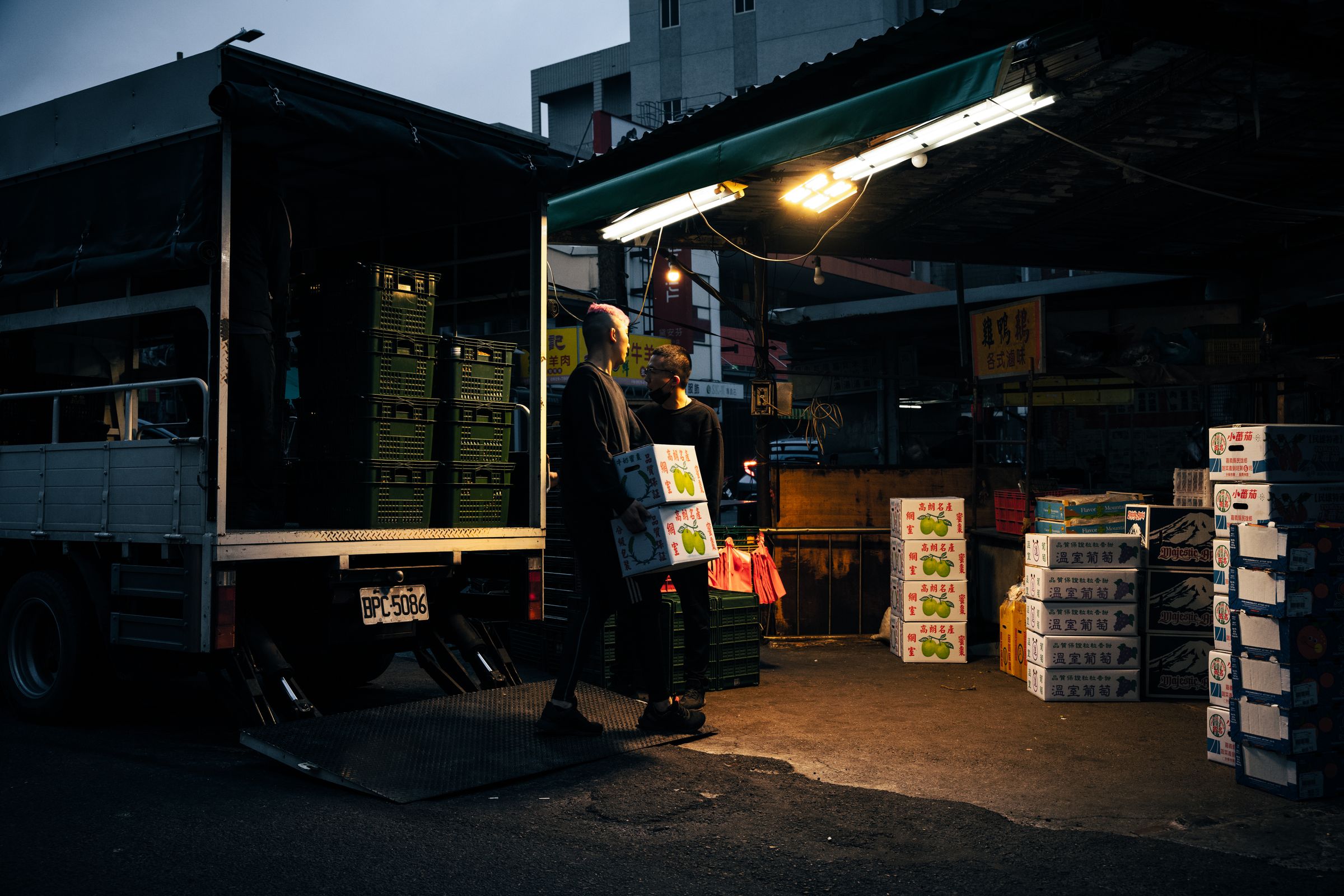
For farmers, distributors and local planners, the big shift is permanence. The bill would make the Resilient Food Systems Infrastructure Program permanent and add regional food systems hubs so communities have a steadier place to turn when supply chains break down.
- The program would no longer be temporary.
- Regional food systems hubs would be added.
- The focus is on keeping food moving through disruptions.
- Smaller producers and local planners would likely feel the change first.
- For farmers, food distributors and the communities that depend on them, the difference between a temporary program and a permanent one is more than paperwork
For farmers, food distributors and the communities that depend on them, the difference between a temporary program and a permanent one is more than paperwork. In the federal Senate, a bill would amend the Agricultural Marketing Act of 1946 to permanently authorize the Resilient Food Systems Infrastructure Program. It would also establish regional food systems hubs, giving Washington a standing tool aimed at keeping food moving when supply chains get brittle.
In plain terms, the proposal treats food-resilience support as infrastructure, not a one-off fix. The point is to make local and regional food systems more able to absorb shocks, whether those come from weather, transportation problems or other disruptions that can ripple from farms to grocery shelves.
Why permanence matters
Temporary programs can help, but they also leave producers and local planners guessing about whether the support will still be there when they need to make longer-term decisions. Permanent authorization changes that calculation. It tells the people closest to the food system that resilience is not just a stopgap, but part of the federal architecture.
The regional hubs are the other half of the idea. The bill does not spell out their day-to-day design, but the concept points toward a more coordinated place for food-system support, closer to the markets and producers that feel disruptions first. That kind of setup could matter most when local infrastructure needs steady help instead of emergency triage.
Who would feel it first
The first people to notice a sturdier system would likely be smaller producers, regional distributors and local food planners trying to move product through narrower, less redundant channels. A hub structure is meant to give those players more coordination and backup before problems show up at the store. Consumers usually feel the strain later, in the form of delayed deliveries, empty shelves or higher costs, so the goal is to soften the hit before it reaches the checkout line.
The bill was introduced June 18, 2026.