Homelessness And Document Access
Homeless residents could skip Ohio ID and birth-record fees
The bill would also let shelters and approved nonprofit case managers keep consented copies of key papers, helping people avoid starting over after every loss.
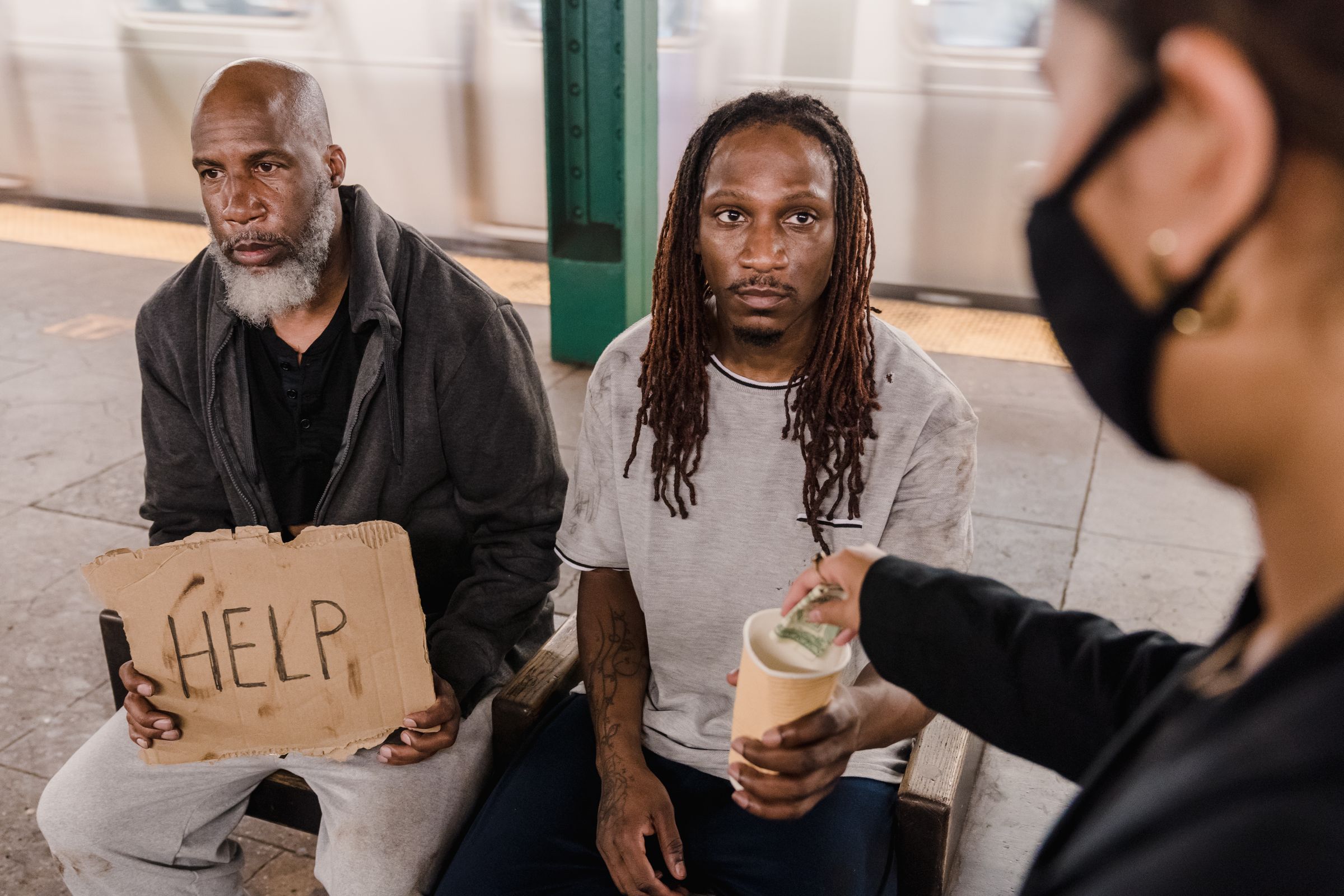
For Ohioans without stable housing, a missing ID or birth record can block work, housing and benefits. This bill would remove some replacement fees and let shelters and approved nonprofit case managers store copies with permission.
- Fees for ID cards and birth records would be waived for qualifying Ohioans experiencing homelessness.
- Shelters and approved nonprofit case managers could keep consented copies of key documents.
- Government agencies would not be allowed to use the storage provision.
- Recorded votes show the bill cleared a floor vote.
- For Ohioans experiencing homelessness, a missing ID or birth record can be the difference between getting a job interview, signing a lease or accessing benefits and starting over from scratch
For Ohioans experiencing homelessness, a missing ID or birth record can be the difference between getting a job interview, signing a lease or accessing benefits and starting over from scratch. A proposal in the Ohio House would cut one of those hurdles by waiving fees for an identification card or vital statistics record for qualifying people without stable housing, while also making it easier for shelters and nonprofit case managers to hold onto consented copies of key documents so they do not have to be replaced again after every loss.
The proposal has 15 sponsors, including Democratic Rep. Christine Cockley and Republican Rep. Jodi Salvo as the primary sponsors.
Keeping the paper trail from breaking
The bill pairs the fee waiver with a document-storage option aimed at keeping people from losing their footing each time paperwork goes missing. Homeless shelters and nonprofit agencies that provide case management services to people experiencing homelessness could keep physical or digital copies of a person’s Social Security card, certification of birth or certified birth record, but only with the person’s consent.
The storage provision is limited. The bill excludes governmental agencies from the category of nonprofit case-management providers, and it ties the terms “homeless shelter” and “individual experiencing homelessness” to existing Revised Code definitions.
A small change with outsized consequences
The practical effect is straightforward: fewer fees and fewer repeat trips for documents that can gate access to housing, work and public benefits. For people who are already dealing with unstable shelter, that can mean one less barrier between a lost paper trail and the routines of daily life.
Recorded votes show the bill cleared a floor vote.
Why it matters
When paperwork becomes hard to replace, every small loss can snowball. This bill tries to interrupt that cycle by making the first replacement cheaper and the next replacement less likely.