The Defense
Michigan murder appeal turns on undisclosed witness affidavits
One affidavit says a key witness was pushed by threats and bribery into naming Marvin Cotton and others. The Sixth Circuit is weighing whether that material had to be disclosed to the defense.
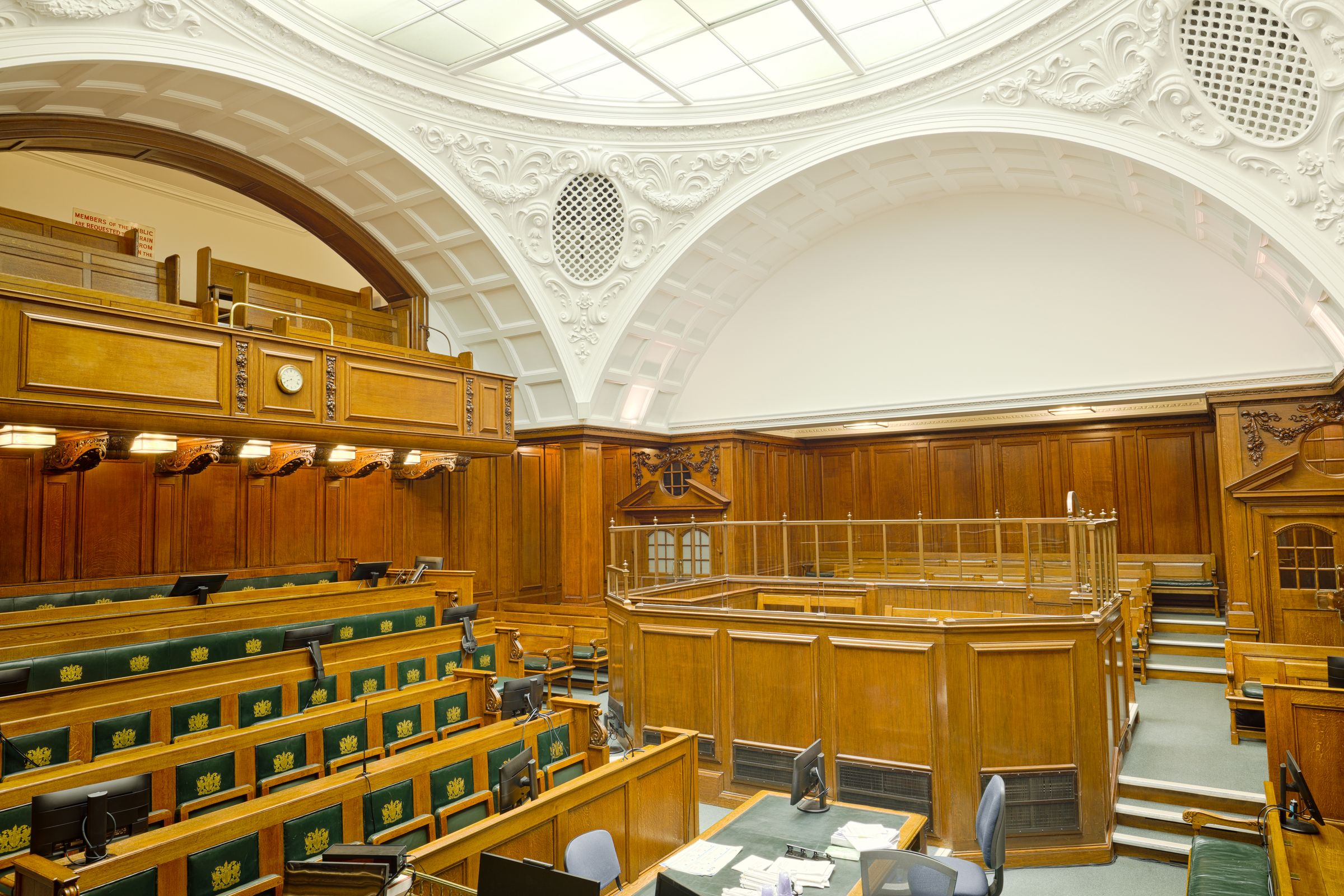
The appeal asks whether prosecutors failed to turn over evidence that could have undercut a key witness in the McIntyre murder case. The focus is on two 2014 affidavits, from Nard and Frazier, and what Brady v. Maryland required the defense to see.
- The Sixth Circuit focused on two 2014 affidavits, from Nard and Frazier.
- One affidavit says a key witness admitted making false identifications under pressure.
- The legal issue is whether prosecutors had to disclose that material under Brady v. Maryland.
- The dispute comes out of the Eastern District of Michigan at Ann Arbor.
- Marvin Cotton and Anthony Legion’s fight in the federal Sixth Circuit turns on whether jurors should have heard about two 2014 affidavits tied to their case
Marvin Cotton and Anthony Legion’s fight in the federal Sixth Circuit turns on whether jurors should have heard about two 2014 affidavits tied to their case. In that court, Brady v. Maryland means prosecutors have to disclose favorable evidence, including material that could help the defense impeach a witness.
One of those affidavits, from Nard, says Lockhart, a key trial witness, told him he was induced by threats and bribery to make false identifications of Cotton and two other unnamed men in the McIntyre murder case. That is not a side issue. If the defense never saw it, the question is whether the missing evidence was important enough to matter in the Eastern District of Michigan case at Ann Arbor.
The witness account at the center
The Nard affidavit matters because it goes straight to credibility. A witness who may have been pressured or paid to point the finger at the wrong men is the kind of problem Brady was built to expose, since juries decide cases on whether they trust the people on the stand.
The other affidavit, from Frazier, sits in the same lane. Together, the two statements frame a simple but serious question: if these papers existed in 2014, did the defense get the chance to use them before the case was fought and decided?
Why this kind of evidence can change a case
Brady fights often turn on material that looks small outside a courtroom but can be devastating inside one. A sworn statement suggesting false identifications were pushed by threats and bribery can undercut the prosecution narrative in a way that lawyers for wrongfully convicted people will not ignore.
That is why the Sixth Circuit’s focus on these affidavits matters. The case is not about paperwork for its own sake. It is about whether the defense was denied evidence that could have changed how the jury understood a key witness and the murder charges built around him.