Social Security card
People without housing could get help replacing lost IDs
People experiencing homelessness in Ohio could replace lost ID cards and vital records for less under a bill that would waive some fees and let approved service providers keep secure copies with clients’ permission.
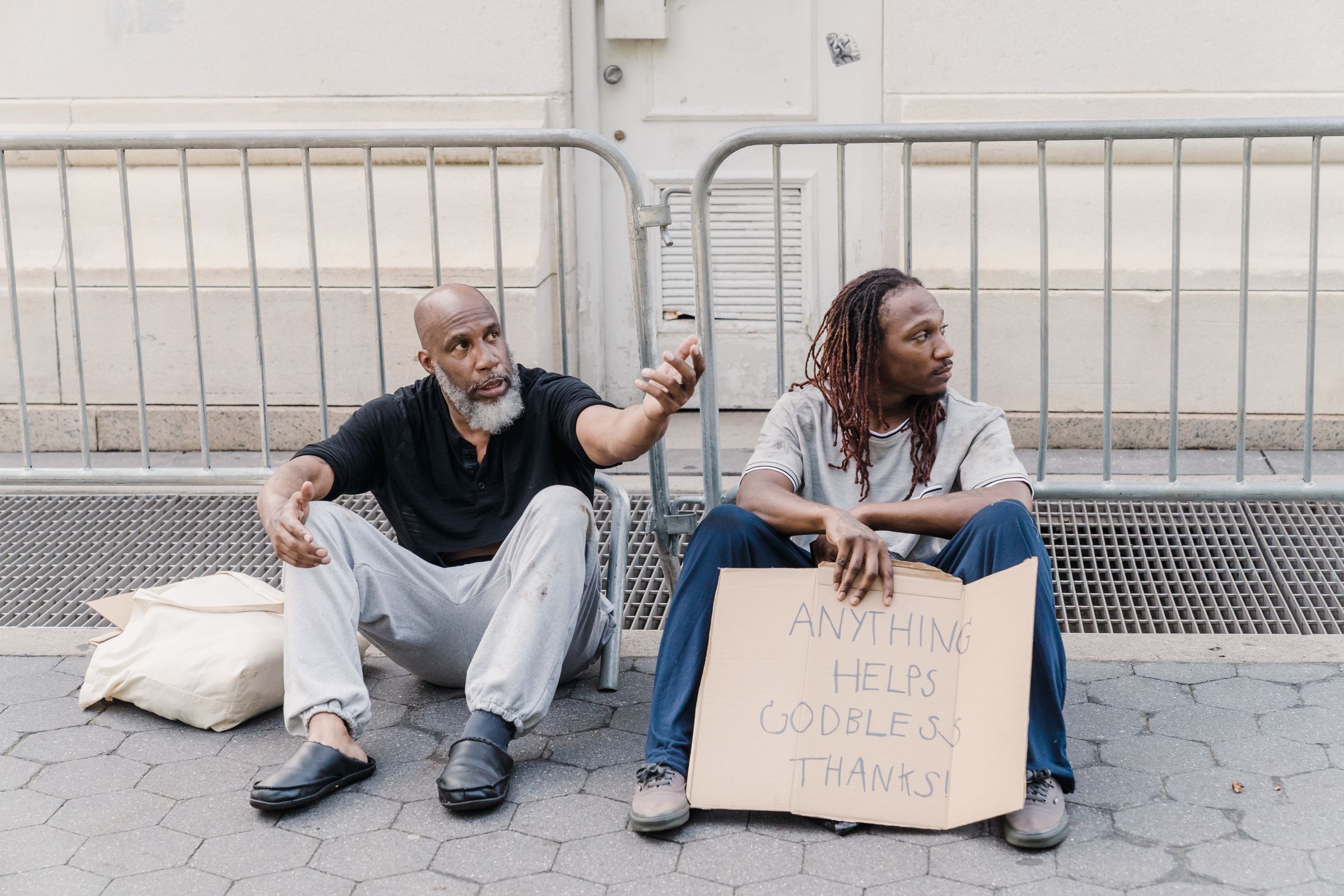
A missing birth record or Social Security card can block everyday life. This bill would give people experiencing homelessness a cheaper way to replace those papers and a safer place to store them.
- Fee waivers would cover some ID and vital-record replacements for people experiencing homelessness.
- Shelters and nonprofit case managers could keep consented copies of Social Security cards and birth records.
- Stored copies would need physical or digital locks and limited staff access.
- Clients could ask for the document back, or have it destroyed or deleted.
- For people experiencing homelessness, a missing birth record or Social Security card can stop everyday life in its tracks
For people experiencing homelessness, a missing birth record or Social Security card can stop everyday life in its tracks. It can block a housing application, slow a job search, or keep benefits out of reach. In Ohio, lawmakers want to make those papers easier to replace and less likely to disappear again.
The 15-sponsor bill has support from 10 Democrats and five Republicans. Recorded votes show the bill cleared a floor vote.
A cheaper way to replace lost papers
The proposal would waive fees for an identification card and for vital statistics records for qualifying people experiencing homelessness. In plain terms, that means the state would lower the cost of replacing some of the documents people need most when they are trying to get back on their feet.
That matters because the paperwork gap can snowball. Without an ID or birth record, a person may have a harder time proving who they are, signing a lease, getting hired, or clearing the next hurdle in a benefits office. The bill is aimed at removing one persistent cost from that chain of problems.
A lock on the copy, and a key in the client’s hands
The other half of the bill is about storage, not just replacement. A homeless shelter or nonprofit agency providing case management services to people experiencing homelessness could, with consent, keep a physical or digital copy of a Social Security card, certification of birth, or certified copy of a birth record.
Those copies would have to be protected by a physical or virtual lock and kept accessible only to appropriate staff. The person whose document is stored would still control it: they could ask for timely access, or request that it be destroyed, deleted, or returned. The storage option would not extend to a governmental agency.