congress.amendment
Ports tied to most Russian oil exports are off limits
That limit is part of a Senate amendment aimed at buyers and importers of Russian crude and petroleum products. The President could still grant a short-lived exception, but only with a report to Congress.
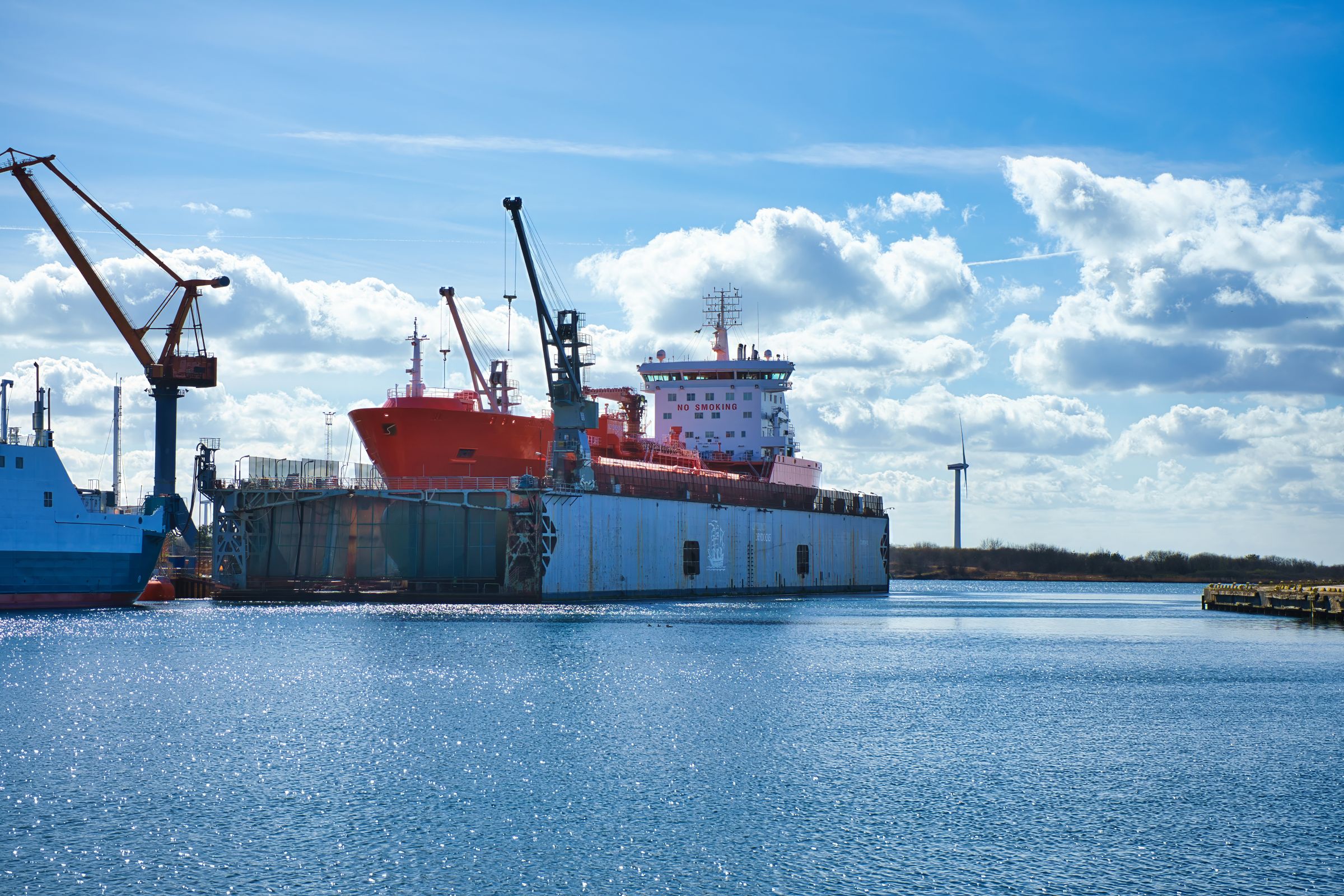
A Senate amendment would put fresh sanctions pressure on Russian oil transactions and shut out the ports that moved the biggest share of Russia’s export capacity in 2025. The President could still grant a limited exception for 270 days, with Congress getting a justification and IEEPA providing the enforcement hook.
- Russian oil imports would face new sanctions.
- The President could grant limited exceptions for 270 days.
- Any waiver would need a justification to Congress.
- Ports tied to most of Russia’s oil export capacity would be off limits.
- In Washington, a Senate amendment would put fresh sanctions pressure on anyone buying or importing Russian crude oil or petroleum products
In Washington, a Senate amendment would put fresh sanctions pressure on anyone buying or importing Russian crude oil or petroleum products. It also gives the President a narrow way around the restriction for 270 days after enactment, so long as a justification is sent to the appropriate congressional committees.
That exception is not open-ended. It could not cover ports that are estimated to have accounted for more than half of Russia’s oil export capacity in 2025.
A narrow escape hatch
The enforcement hook is the International Emergency Economic Powers Act, or IEEPA. The amendment says the President may use the authorities in sections 203 and 205 of that law to carry out the sanctions, and the penalties in section 206 would apply to anyone who violates, tries to violate, conspires to violate or causes a violation of the section or any order or regulation issued under it.
The same language also lets the President write regulations needed to carry out the measure, including regulatory exceptions. The practical effect is a sanctions regime with a short-term pressure valve, but only for a limited period and only within the boundaries Congress set.