Federal Energy Regulatory
New Jersey bill would curb duplicate power charges
The proposal says regional power operators should, as much as possible, limit so-called rate pancaking and keep transmission control separate from generation. It would require New Jersey transmission owners to join a Federal Energy Regulatory Commission-approved system by Jan. 1,
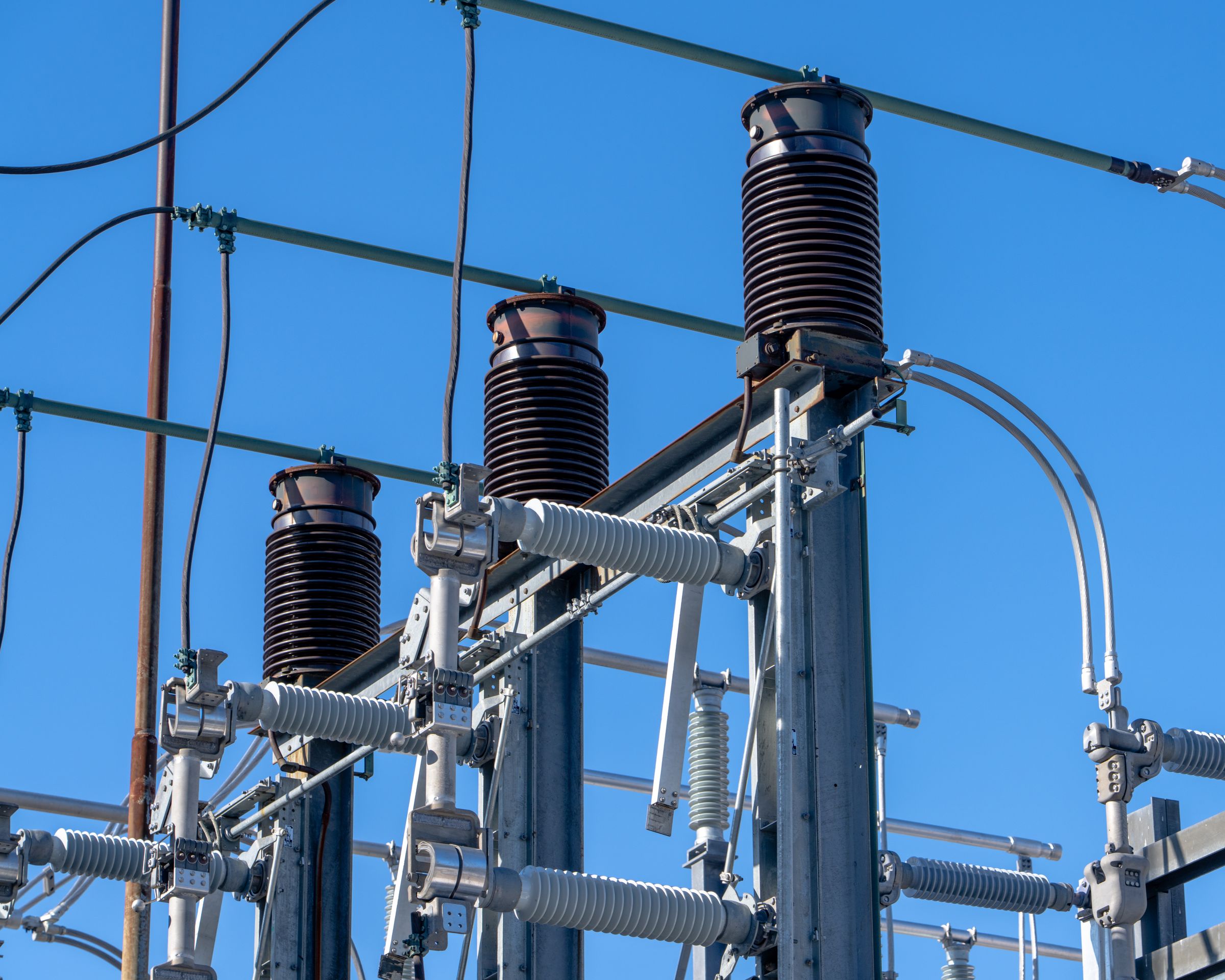
A New Jersey bill would require transmission owners to join a Federal Energy Regulatory Commission-approved regional system by Jan. 1, 2027. Lawmakers say that could help curb multiple transmission fees on the same electricity shipment.
- Transmission owners would have to join a FERC-approved regional operator.
- The rule would start Jan. 1, 2027.
- The bill targets “rate pancaking,” or duplicate transmission charges.
- Electric public utilities are included in the definition of transmission owner.
- In New Jersey, lawmakers are trying to change who gets to steer the high-voltage network that moves electricity before it reaches local lines
New Jersey lawmakers are trying to limit duplicate fees on the same electricity shipment by requiring transmission owners to join a federally approved regional system by Jan. 1, 2027. The bill says owners would have to transfer control to a Federal Energy Regulatory Commission-approved operator, or a similar approved entity.
The change reaches beyond a few giant utilities. The bill says a transmission owner is the owner or operator of an electric transmission facility, and that includes an electric public utility, meaning a public utility that transmits and distributes electricity to end users in the state.
Who gets pulled in
A transmission entity can be a regional transmission organization, an independent system operator, or a functionally similar entity, as long as FERC approves it. So the state is not inventing a new grid bureaucracy from scratch. It is pushing existing owners into regional structures already recognized by federal regulators.
The bill also defines electric transmission facilities as interconnected transmission lines and related equipment that move bulk power between supply points, distribution systems or other electric systems. In plain terms, the companies that own the lines would have less room to act alone while the regional entity separates control of transmission from generation, keeps reliability up and stays independent from the users of the wires.
The fee the bill is trying to flatten
The reason is rate pancaking, the practice of multiple transmission providers charging multiple, duplicative transmission charges when electricity crosses more than one system. The bill says a regional operator should, to the extent reasonably possible, reduce that layering while improving service reliability, lowering congestion and widening supply options.
Recorded votes show the bill cleared a floor vote.