government
President Trump opens Pacific monument waters to fishing
The proclamation restores commercial access in parts of the Northwestern Hawaiian Islands, the Mariana Trench and Rose Atoll. U.S.-flagged boats can fish under existing federal rules, but other protections stay in place.
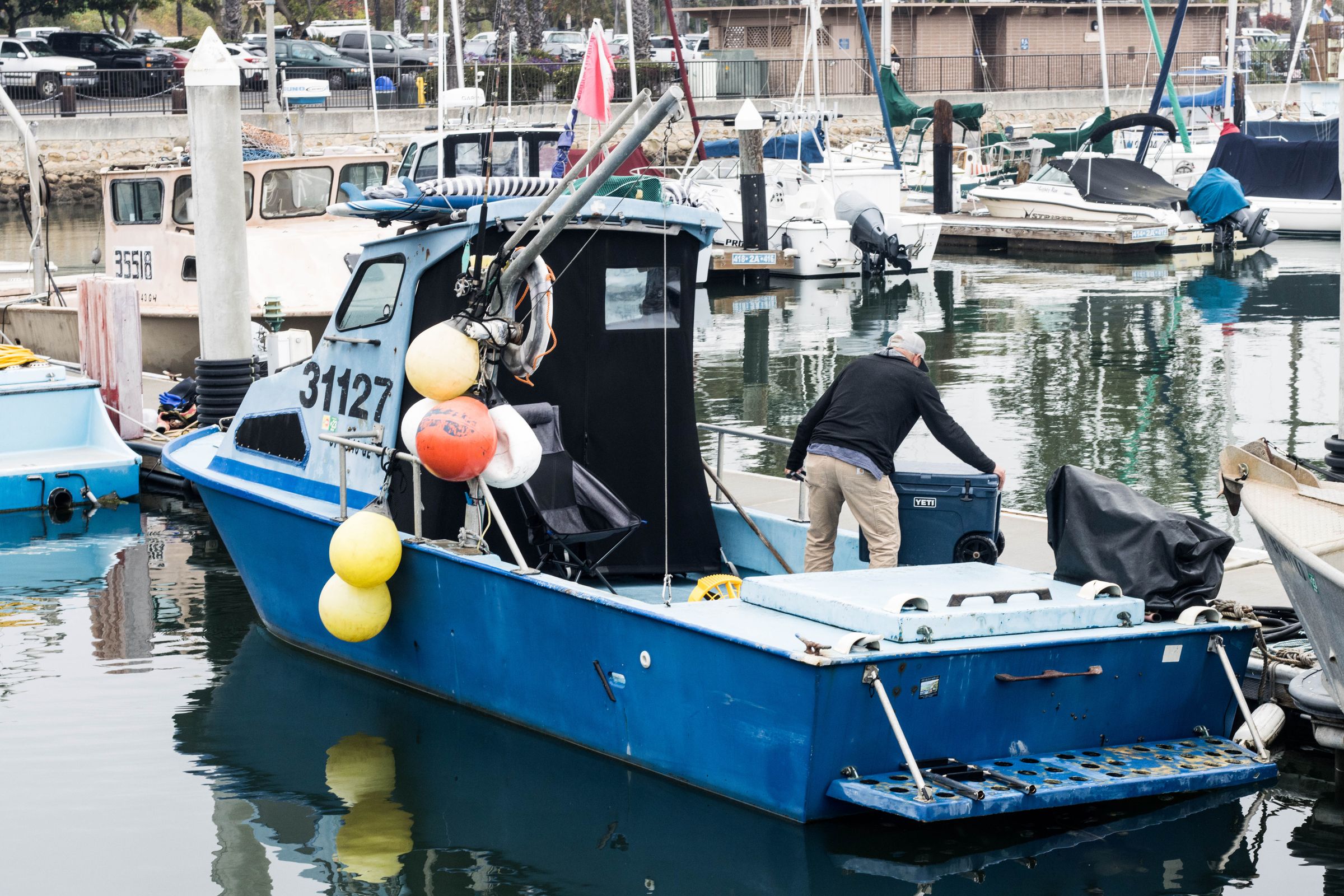
President Trump’s proclamation restores commercial fishing access in selected Pacific monument waters. It leaves federal management in place and keeps other restrictions, including limits near certain islands and reefs, intact.
- Access to Pacific monument waters is expanding for commercial fishing.
- The change still keeps the area under federal management.
- Earlier monument proclamations from 2006, 2009 and 2016 had limited fishing.
- U.S.-flagged boats get the clearest path back in.
- Commercial fishing crews in the Pacific are getting new room to work
Commercial fishing crews in the Pacific are getting new room to work. President Trump’s proclamation restores access to hundreds of thousands of square miles of Pacific waters, reopening areas that had been restricted under earlier monument proclamations. The waters remain under existing federal law, but some of the monument-based limits that had kept commercial vessels out are gone.
The White House says the change is meant to support working fishing communities and American seafood production. It also says restoring access to responsibly managed fishing grounds will promote economic opportunity while keeping stewardship of marine resources in place.
Where the openings are
The restrictions being relaxed trace back to monument proclamations covering the Northwestern Hawaiian Islands, the Mariana Trench and Rose Atoll. Those earlier declarations, issued in 2006, 2009 and 2016, imposed limits on commercial fishing in specified areas of the monuments.
The new proclamation says those prohibitions are no longer necessary in the areas it identifies. The practical effect is wider access for some commercial fishing, not a wholesale rewrite of ocean protections.
What stays in place
The proclamation does not throw the whole Pacific open. Only United States-flagged vessels may fish commercially within the monument boundaries it names, though foreign-flagged vessels may be allowed to transport fish harvested by U.S. fishermen.
Other protections also remain, including existing restrictions within 50 nautical miles of certain islands and reefs in the Northwestern Hawaiian Islands and within 12 nautical miles of Rose Atoll. For fishing communities, that means more access than before, but still within a managed federal framework.