Transmission Technology
A public transmission database could ease grid bottlenecks
The bill would add advanced transmission technology to federal energy planning and carve it out from NEPA review when the government funds deployment. It also asks Energy to spell out wildfire-mitigation best practices for utilities.
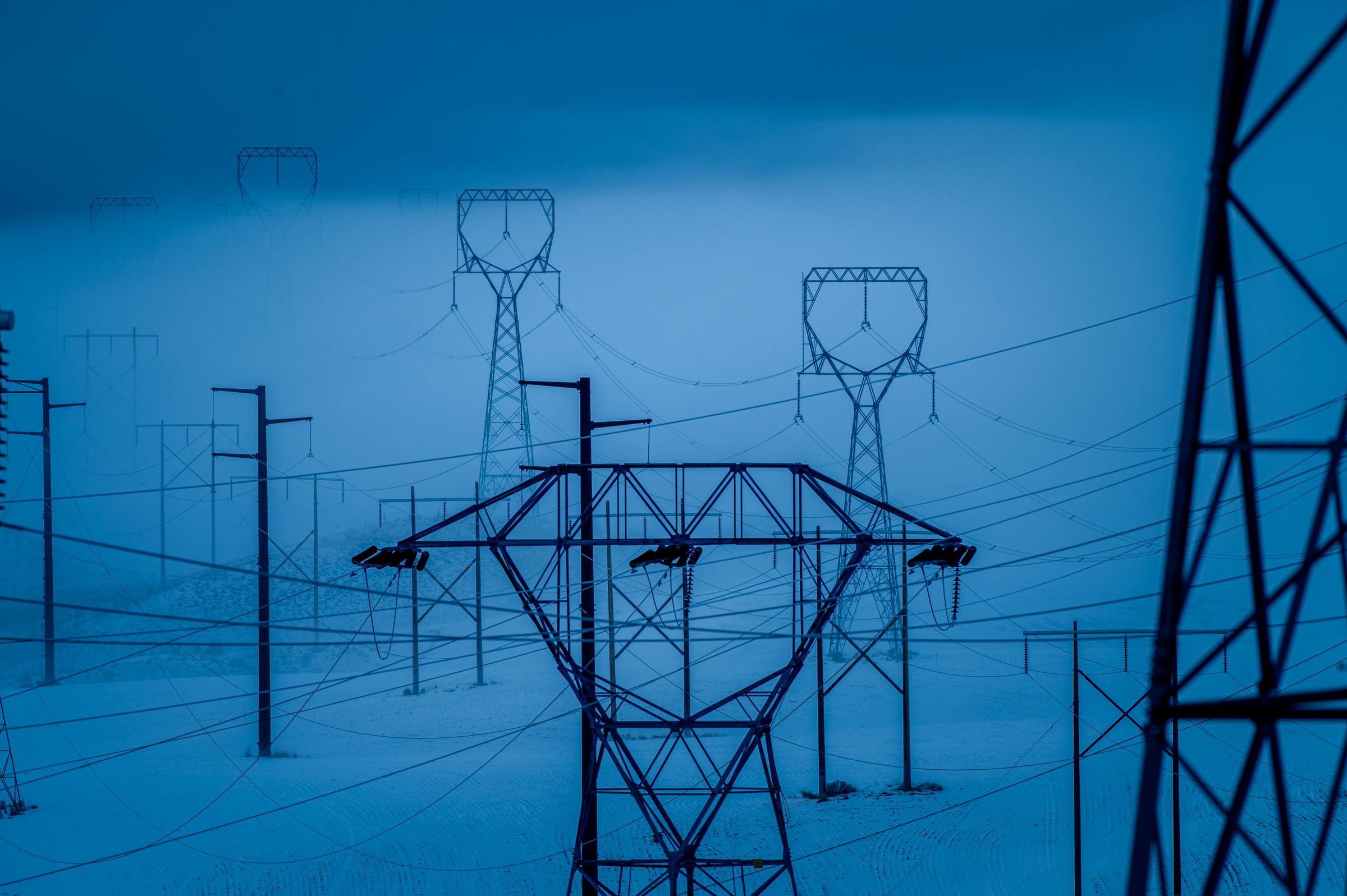
The measure would put advanced transmission technology into a public federal database and give state and utility officials more guidance. Backers say that could help reduce congestion, improve visibility on the grid and make upgrades easier to compare.
- The bill would create a public Energy Department clearinghouse.
- It would list projects, funding tools and performance analyses.
- The focus is transmission congestion, capacity and grid visibility.
- The measure does not guarantee lower electricity bills.
- A House bill in Washington would give utilities, regulators and consumers one public place to look for ways to move electricity more efficiently
A House bill in Washington would give utilities, regulators and consumers one public place to look for ways to move electricity more efficiently. H.R. 9335, the Advanced Transmission Technology to Reduce Rates Act, would direct the Secretary of Energy to establish and maintain a publicly available clearinghouse on advanced transmission technology within one year after enactment.
The bill is aimed at a real-world problem that rarely makes headlines until the lights flicker or a project stalls: transmission bottlenecks. By gathering federal information in one place, it tries to make it easier to compare tools that can expand capacity, reduce congestion and improve how the grid is monitored and controlled.
What the clearinghouse would hold
The clearinghouse would not be just a file cabinet on a government website. It would have to include a list of Department projects and activities related to advanced transmission technology, plus the authorities for financial assistance available to deploy it.
It would also have to analyze the effects of those technologies on the efficient transmission of electricity, including expanded transmission capacity, reduction of transmission congestion, optimized use of transmission infrastructure, and improvements to grid visibility and the automation of key transmission processes.
That makes the site potentially useful for electric utilities and grid planners trying to sort through upgrade options, and for state and federal energy officials who now have to piece together scattered federal material on their own.
Why the grid needs a map
Transmission is the part of the power system that most people never see, but everyone depends on. When it gets congested, electricity can be harder to move where it is needed, and costs can pile up along the way.
The bill does not promise lower bills. It creates information infrastructure, not direct rate relief. But the logic is plain enough: if policymakers and utilities can more easily see which technologies improve flow and reduce bottlenecks, future investment decisions may be better targeted.
That is why the measure also requires analysis of the costs and benefits for electric utilities and ratepayers. The public interest here is not a slogan, but a question of whether the grid can do more with the wires it already has.
The test for readers
The proposal would amend section 1223 of the Energy Policy Act of 2005, folding advanced transmission technology into a more searchable federal framework. For people who pay electric bills, the most important part is not the title or the statute number. It is whether this kind of federal map helps identify upgrades that make the grid work better and, eventually, make it cheaper to run.
If the clearinghouse does its job, it could turn scattered research into something practical enough for utilities, regulators and planners to use. That is a modest promise, but a concrete one.