technology
Quantum students could get NSF-backed traineeships
The agency could also fund lab upgrades and give universities and nonprofits access to specialized equipment. New pilot projects would aim to move quantum research closer to real-world use.
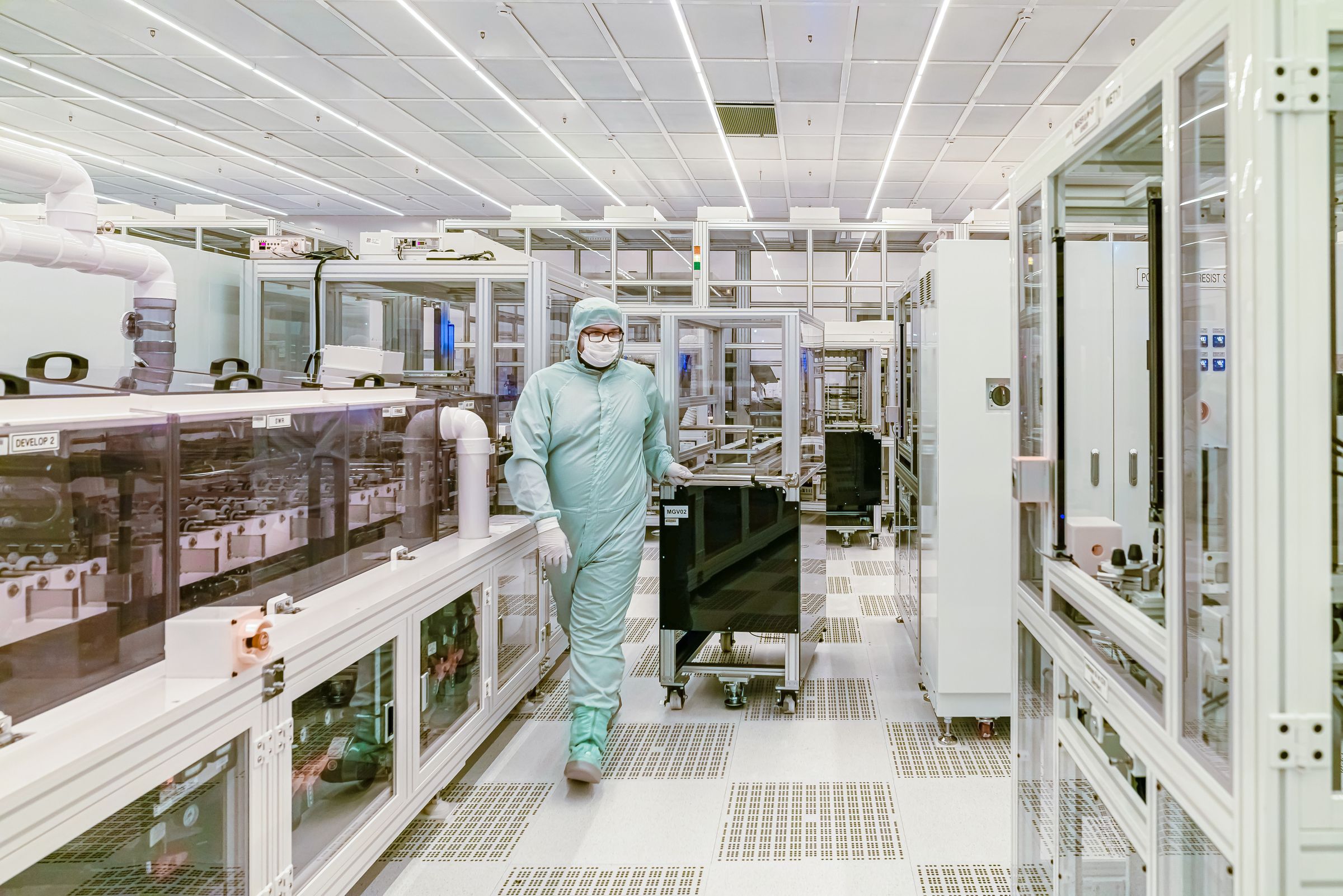
A federal proposal would give the National Science Foundation a bigger role in quantum training and research. It would support graduate traineeships, help institutions improve their labs and create testbeds for quantum applications.
- NSF would be able to fund quantum traineeships for U.S. graduate students.
- Universities and nonprofits could get grants to upgrade quantum labs and equipment access.
- The proposal would create competitive testbeds for quantum applications.
- Projects with at least 25% nonfederal support would get a preference.
In Washington, a federal proposal would give the National Science Foundation, or NSF, a bigger role in quantum research and training. The agency would be allowed to use existing programs to make awards to universities and nonprofit groups so they can support traineeships for U.S. graduate students who are pursuing master’s or doctoral degrees in quantum information science, engineering and technology, or related fields. Those students could also get research experience in government or industry tied to their studies.
The proposal is not limited to classrooms. It would also let NSF support the places where this work happens, including grants to upgrade research facilities and improve access to equipment and instrumentation needed for quantum research and development.
More support for the labs
The training piece is aimed at institutions of higher education and nonprofit organizations, including consortia. That matters because quantum work often depends on expensive tools and specialized lab space. If more schools and research groups can get access to that infrastructure, the field may become less concentrated in a few well-equipped places.
For graduate students, the traineeships would create a more direct path between study and practice. The measure would let them work in settings connected to government or industry, which could help them build experience in an area where the workforce is still forming.
Testbeds for real-world use
The proposal also would require NSF to help establish quantum application testbeds. These would be competitive awards for universities, nonprofit organizations, federally funded research and development centers, or consortia that can create places to try out quantum systems and applications.
NSF would make those awards in coordination with the National Institute of Standards and Technology, the Department of Energy, NASA and other agencies as needed. Applicants would get preference if they can cover at least 25% of the cost with private or other nonfederal support, including in-kind contributions. That pushes the program toward shared investment and may help move promising research closer to practical use.