Surface Transportation Board
Railroad can't use federal law to skip Hopedale's claim
Grafton & Upton Railroad wanted a federal ruling to clear the way for a rail project on a 155-acre parcel. The court said state property law still controls until ownership is settled.
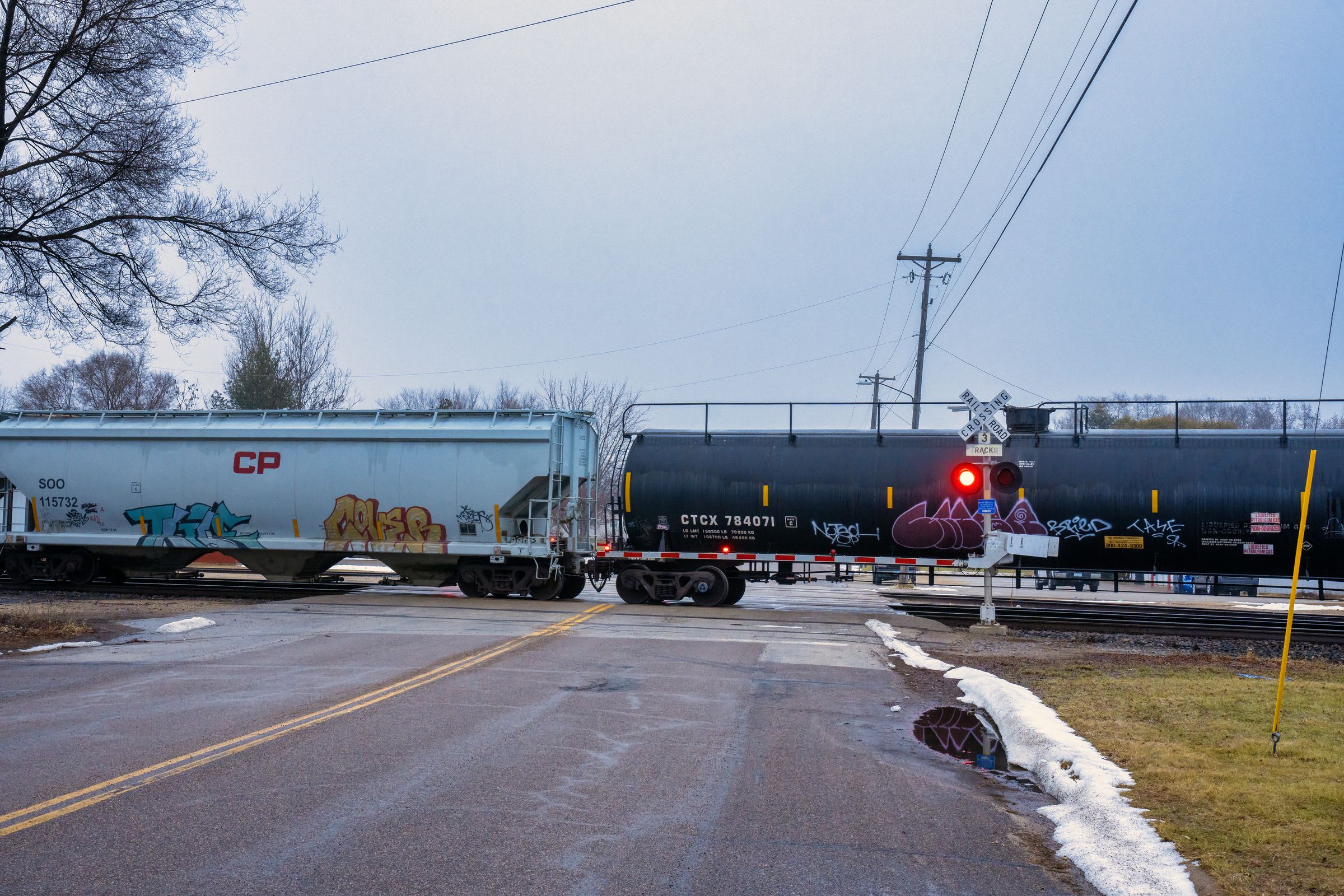
A federal appeals court rejected the railroad’s bid to wipe out Hopedale’s purchase rights before the land dispute is resolved. The D.C. Circuit said the state-law question comes first, because federal rail power does not attach to property the railroad has not proven it owns.
- The D.C. Circuit said federal rail law does not wipe out Hopedale’s claimed first-refusal right.
- The case turns on who owns the Massachusetts parcel, not just on rail regulation.
- The court treated the state law as ordinary property law, not a railroad permitting rule.
- A railroad’s plan to build on a Massachusetts parcel ran into a local property rule the D.C
- Circuit would not push aside
A railroad’s plan to build on a Massachusetts parcel ran into a local property rule the D.C. Circuit would not push aside. On June 5, the court said Grafton & Upton Railroad Company could not use federal rail law to sidestep Hopedale’s claim that it had a first shot at buying the land.
The company says it bought the parcel and wants to turn it into part of a rail project. Hopedale says the railroad never got valid title because state law gave the town a right of first refusal when the property was sold.
Two claims to one parcel
The town had already sued in Massachusetts state court over the property fight before the railroad went to the Surface Transportation Board, or STB, asking for a declaration that federal law controlled. That left the judges with a basic question dressed in railroad clothing: does federal rail authority decide who owns the land, or does the ownership dispute have to be worked out under state law first?
The court said the answer starts with ownership. Until that question is settled, the parcel is not railroad property simply because the company says it should be.
Where federal rail power stops
The panel said the Interstate Commerce Commission Termination Act gives railroads broad protection over their transportation facilities, but not over land they have not yet shown they own. It also said Chapter 61 of Massachusetts law is a general property-acquisition rule, not a railroad permitting system.
That distinction kept Hopedale’s claimed right of first refusal alive for now. The decision leaves the railroad still needing to win the land fight before federal rail authority can carry the project forward.