Bus idling restrictions
School buses get a 15-minute break from local idling rules
The House bill from Representative Nick Langworthy and Representative Josh Gottheimer would not change rules for other vehicles. It only limits local enforcement for school buses and over-the-road buses while engines idle under the 15-minute mark.
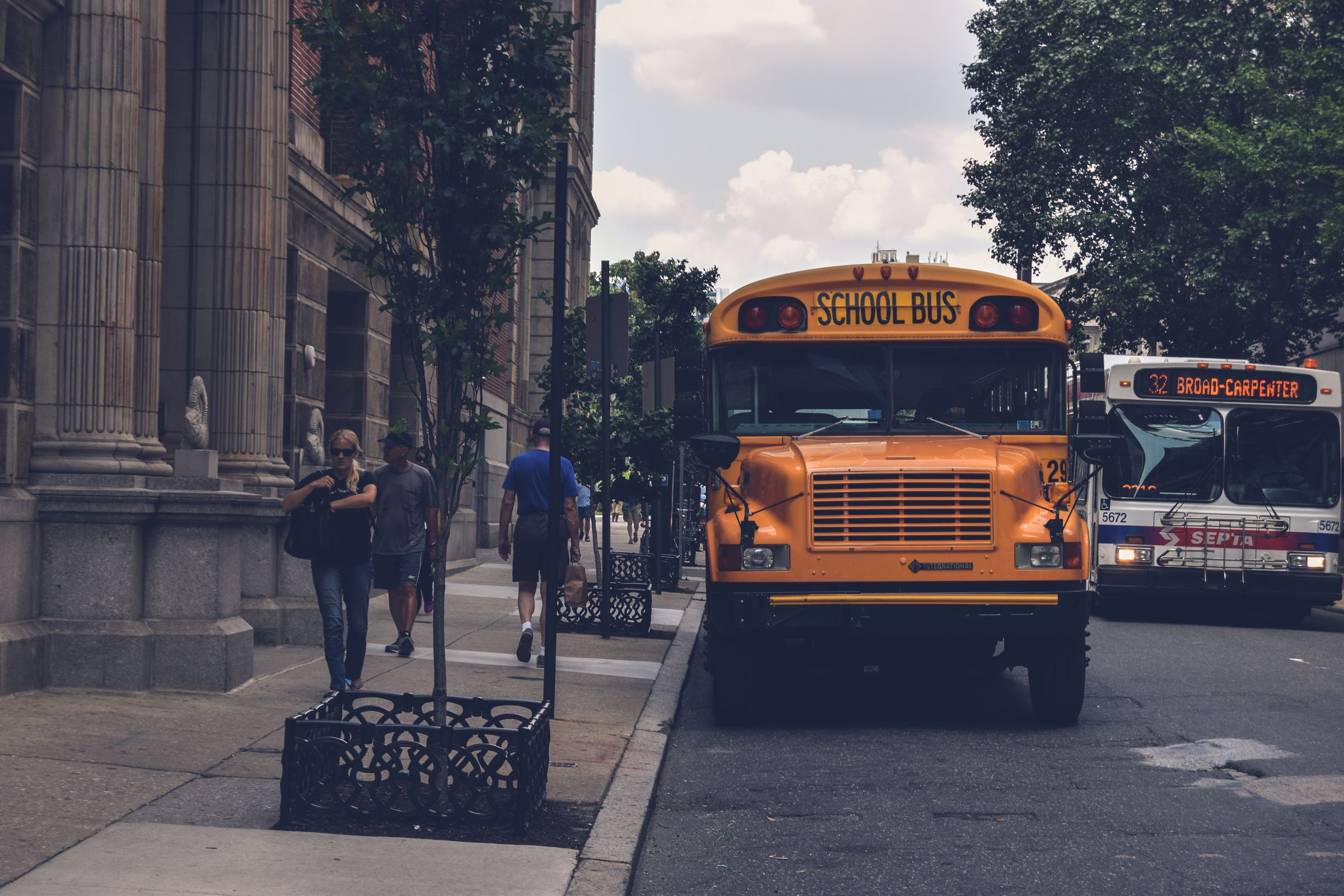
For families at pickup, the change would show up in a long wait or a delayed route. For local officials, it would narrow one tool they now use to cut bus emissions around schools and curbside stops.
- Covers school buses and over-the-road buses only
- Local anti-idling rules would not apply under 15 minutes
- Creates a federal floor for that time window
- Could affect school pickups and route delays
A federal proposal in Washington would redraw the line on when buses can sit with their engines running. Under HR 9317, local governments could not enforce engine idling restrictions on over-the-road buses and school buses if the engine idles for less than 15 minutes.
For families, the practical effect is easiest to picture at school pickup, on a delayed route or during a long wait at a curb. For local air-quality officials, the bill would limit how far stricter anti-idling rules can reach in that narrow window.
A narrow federal floor
The measure sets a federal floor, which means stricter local rules would give way during that 15-minute span. It does not touch all vehicles, only over-the-road buses and school buses.
That narrower reach matters. The bill does not read like a broad rewrite of transportation or clean-air policy. It targets one operational question: how long those buses can idle before local restrictions kick in.
Why the threshold matters
Idling limits are about more than fuel use. They shape air quality around schools, curbside loading zones and crowded routes where buses often wait with children nearby.
The bill was introduced by Representative Nicholas A. Langworthy of New York, with Representative Josh Gottheimer of New Jersey as cosponsor. It was referred to the House Energy and Commerce Committee on June 15.