Into Immigration Cases
Sen. Alex Padilla bill would shield speech from deportation
Senator Alex Padilla’s bill targets a narrow removal ground that can put protest and political activity into immigration cases. It would leave the rest of deportation law in place.
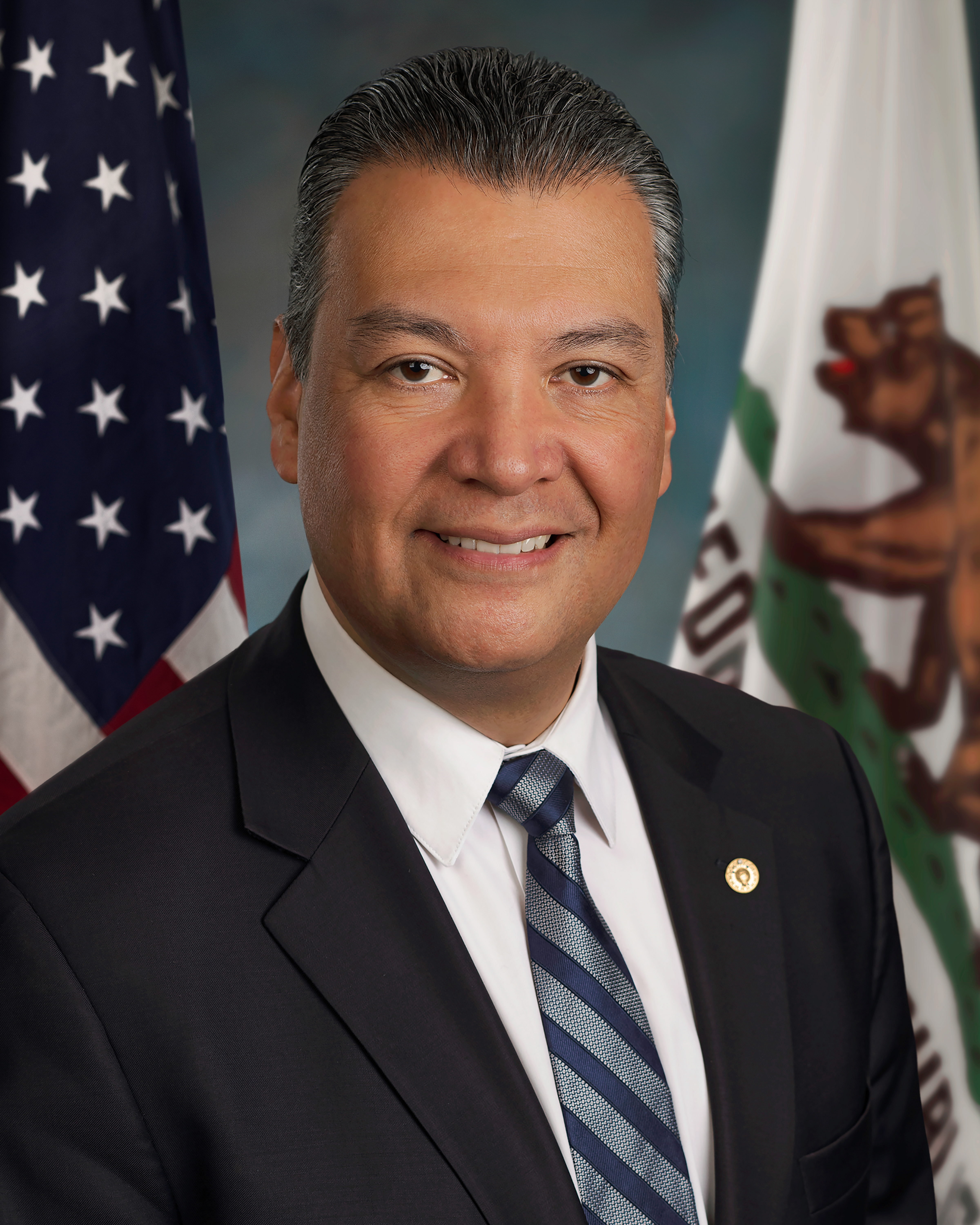
A Senate bill from Senator Alex Padilla would repeal section 237(a)(4)(C) of the Immigration and Nationality Act. Supporters say that would keep speech and activism from being treated as a deportation trigger.
- The bill would repeal section 237(a)(4)(C) of the Immigration and Nationality Act.
- That section lets the government seek deportation over serious foreign-policy concerns.
- Supporters cast the repeal as a free-speech protection.
- The measure has 10 cosponsors, including Dick Durbin and Elizabeth Warren.
- In Washington, California Sen
In Washington, California Sen. Alex Padilla wants to erase a deportation ground in the Immigration and Nationality Act, the law that governs who can stay in the United States. The bill would repeal section 237(a)(4)(C), which allows removal when a noncitizen’s presence or activities are reasonably believed to have serious adverse foreign-policy consequences.
That is why the measure is framed as a free-speech protection. On its face, it is a narrow change. In practice, it would pull back a power that sits close to speech, protest and political activity, especially for immigrants whose public actions can be read through a national-security lens.
A removal hook that reaches into expression
The clause at issue is aimed at noncitizens, not citizens. It gives the government a deportation hook when officials say a person’s presence in the country, or what they are doing here, could create serious problems for U.S. foreign policy. For people involved in activism or public criticism, that can turn expression itself into part of a removal case.
Repealing the section would not rewrite all of immigration law. It would simply take out this one ground for deportation, leaving the rest of the system in place. But for someone facing a case built around speech-adjacent conduct, removing that hook could matter a lot.
Who lined up behind the bill
The measure has 10 cosponsors, including senators Dick Durbin, Chris Coons, Mazie Hirono, Ed Markey, Bernie Sanders, Adam Schiff, Chris Van Hollen, Cory Booker, Lisa Blunt Rochester and Elizabeth Warren. It gives the proposal more than a one-name footprint, even if the legal change itself is tightly drawn.
The bill’s title says the goal plainly: protect free speech by repealing the foreign-policy deportation ground. The real question underneath is just as plain, too. Should immigration law be able to punish conduct the government sees as a foreign-policy problem when that conduct looks like political expression?