Change Land Use
Sentinel projects could move faster on developed land
A Senate amendment would let some Air Force Sentinel construction and land deals skip major federal review when they stay on already developed sites and do not substantially change land use.
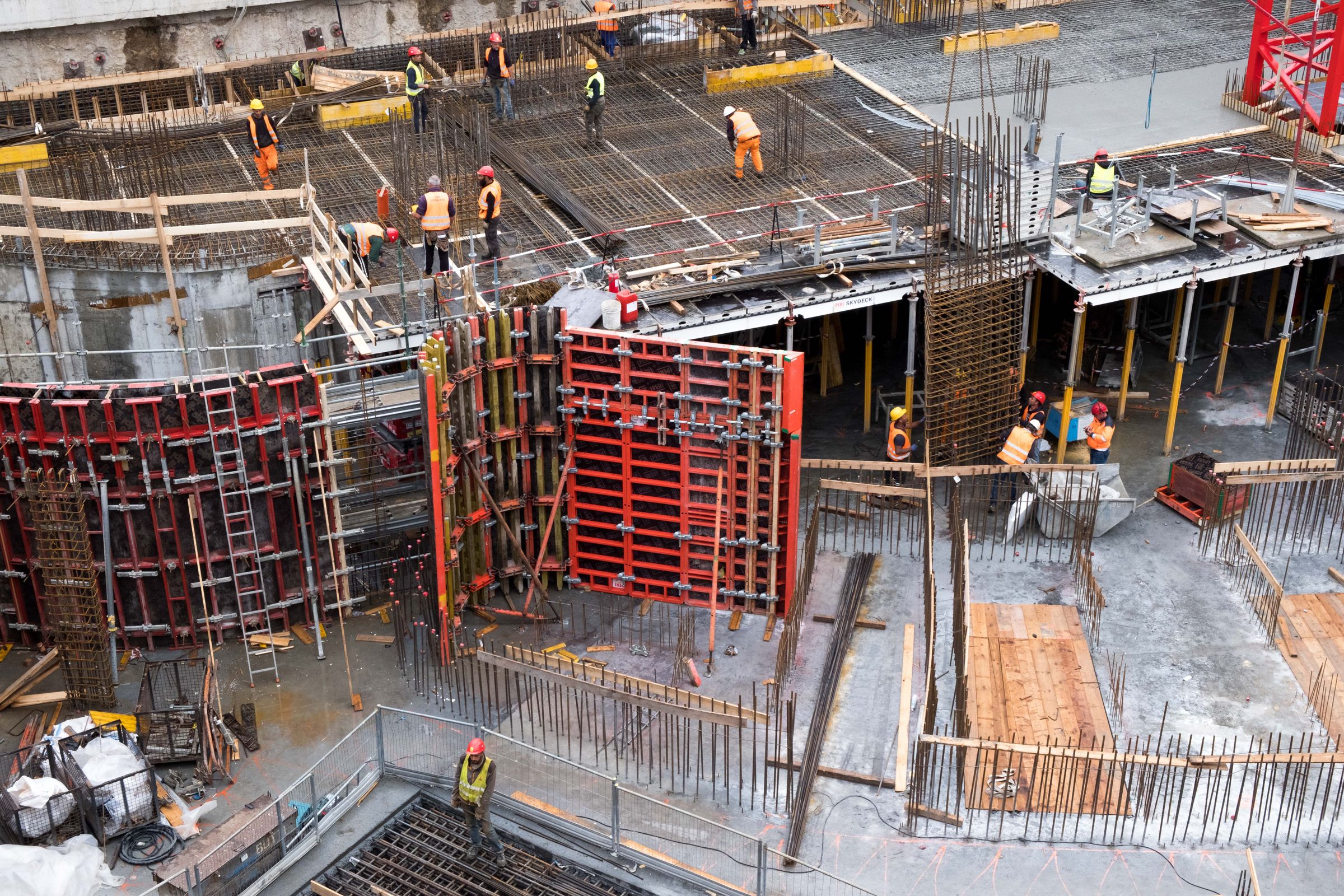
Some Air Force Sentinel work would move through a faster federal review lane under Senate language. The change applies only to projects on previously developed land, and it would not cover work that substantially changes land use.
- Some Sentinel work would skip parts of federal review.
- The shortcut applies only on previously developed land.
- Projects cannot substantially alter land use.
- NEPA and historic-preservation rules are both affected.
- A federal spending amendment would give the Air Force a narrower path for some Sentinel missile program construction and land deals
A federal spending amendment would give the Air Force a narrower path for some Sentinel missile program construction and land deals. In Washington, the language says those projects would not be treated as a major federal action under the National Environmental Policy Act, or NEPA, and would also avoid treatment as an undertaking under the historic-preservation rules in title 54 of the U.S. Code.
For people living near proposed sites, the practical change is less paperwork before a project can move forward. But the carveout is limited. It applies only to Air Force military construction and land acquisition tied to the Sentinel intercontinental ballistic missile program, the long-range nuclear system once referred to as the ground-based strategic weapon program.
Where the shortcut stops
The faster lane only opens if the work occurs on previously developed land and does not substantially alter land use. That matters because the language is built for places that already have a footprint, not for projects that would remake a site or change how it is used.
The measure is trying to separate routine buildout from the heavier kind of review that often slows federal projects before construction even begins. It would ease one part of the process for Sentinel work, but only inside that tighter boundary.
Why the limit matters
The amendment also includes a rule of construction saying it does not change whether an activity is otherwise a major federal action under NEPA. That keeps the broader review system on the page, even as the Sentinel carveout narrows one slice of it.
For the Pentagon, that is the tradeoff. The language would help some Air Force construction and land acquisition move faster, but it does not amount to a blanket environmental rollback for the missile program.