defense
Service members get a new channel for fixing bad gear
The pilot borrows from Ukraine’s BRAVE-1 platform and would run for two years if enacted. Defense leaders would have to brief Congress on whether it helps identify failures and capability gaps faster.
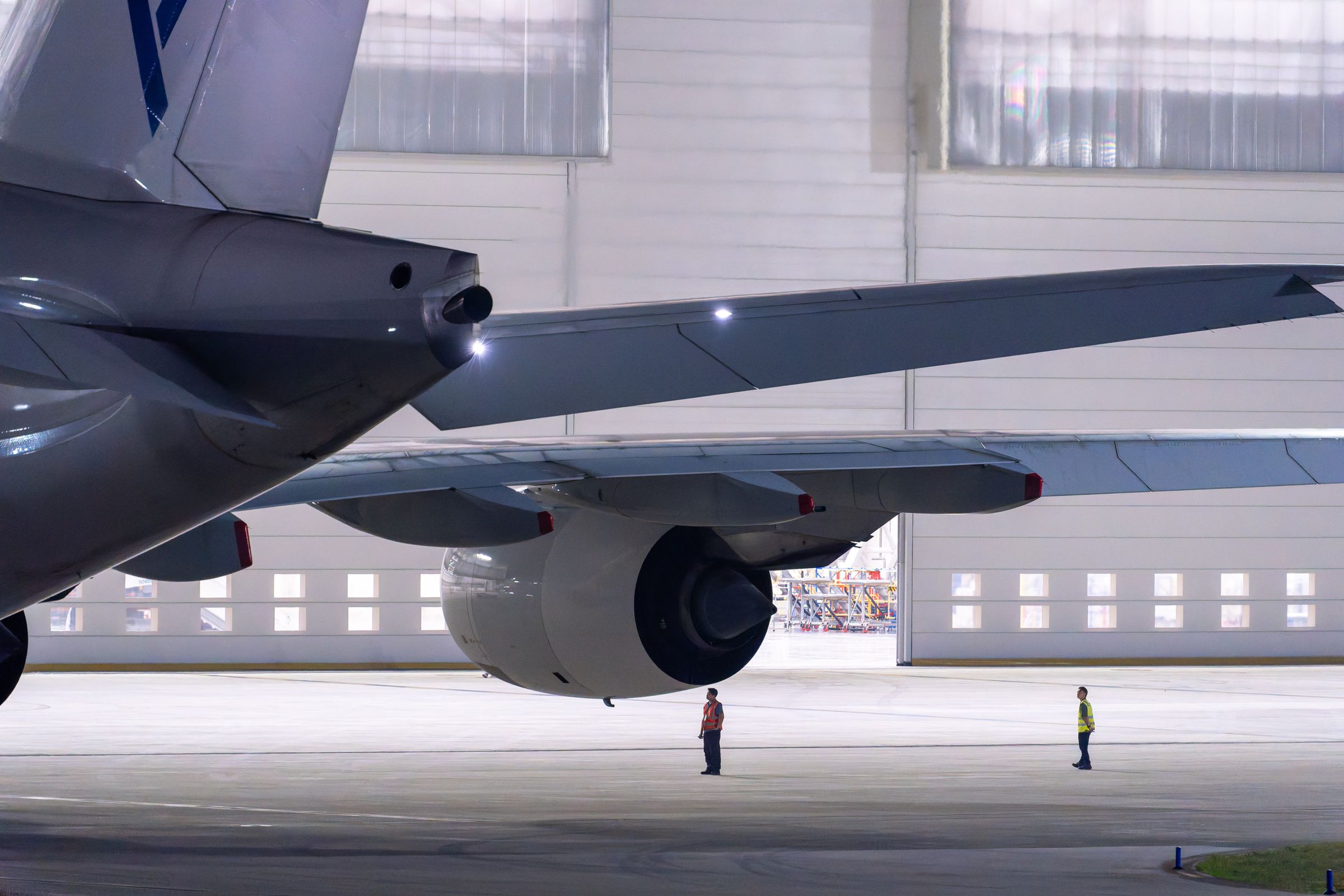
A Senate amendment would set up the Brave Model, a digital feedback system for the Armed Forces. The Pentagon would use it to test whether operator reports can speed up military innovation and sustainment.
- The proposal would create a pilot digital feedback platform for service members.
- The system, called the Brave Model, is based on Ukraine’s BRAVE-1 platform.
- The Defense Department would have 360 days to build the pilot.
- At least one Army, Navy and Air Force unit would be included.
- The goal is to get field feedback into defense decisions more quickly.
In Washington, a federal Senate amendment would give service members a faster way to tell the Pentagon when equipment fails, maintenance slips or a system does not work as expected. The proposal would create a pilot digital feedback platform called the Brave Model, designed to move operational feedback into defense innovation, acquisition and sustainment decisions.
The idea borrows from BRAVE-1, the Ukrainian technology platform. In plain terms, it would try to shorten the distance between the people using military gear and the people deciding how to fix, buy or support it.
How the pilot would work
The Defense Department would have 360 days after enactment to set up the pilot. The Secretary of Defense would carry it out through the Under Secretary of Defense for Research and Engineering and in coordination with the Under Secretary for Acquisition and Sustainment.
The Pentagon would select at least three and no more than six units for the test, with at least one from the Army, Navy and Air Force. Officials would also look for units overseas, units using a mix of advanced and older systems, and units that face uneven access to maintenance, resupply or technical support.
What it is meant to change
The pilot is meant to help the department identify equipment failures and capability gaps sooner. It would also let officials see whether data from the field can speed up changes to military systems and support a more lasting, operator-driven way of improving them.
If the test shows promise, the department would have a basis for deciding whether the approach should be expanded, adjusted or ended after the pilot period.