Pet Surveillance
Shelter pets could leave with microchips
Representative Ted Lieu’s bill would let USDA support microchipping through cooperative agreements with shelters. The aim is to make it easier to match dogs and cats with the right home after adoption, transfer or a stray pickup.
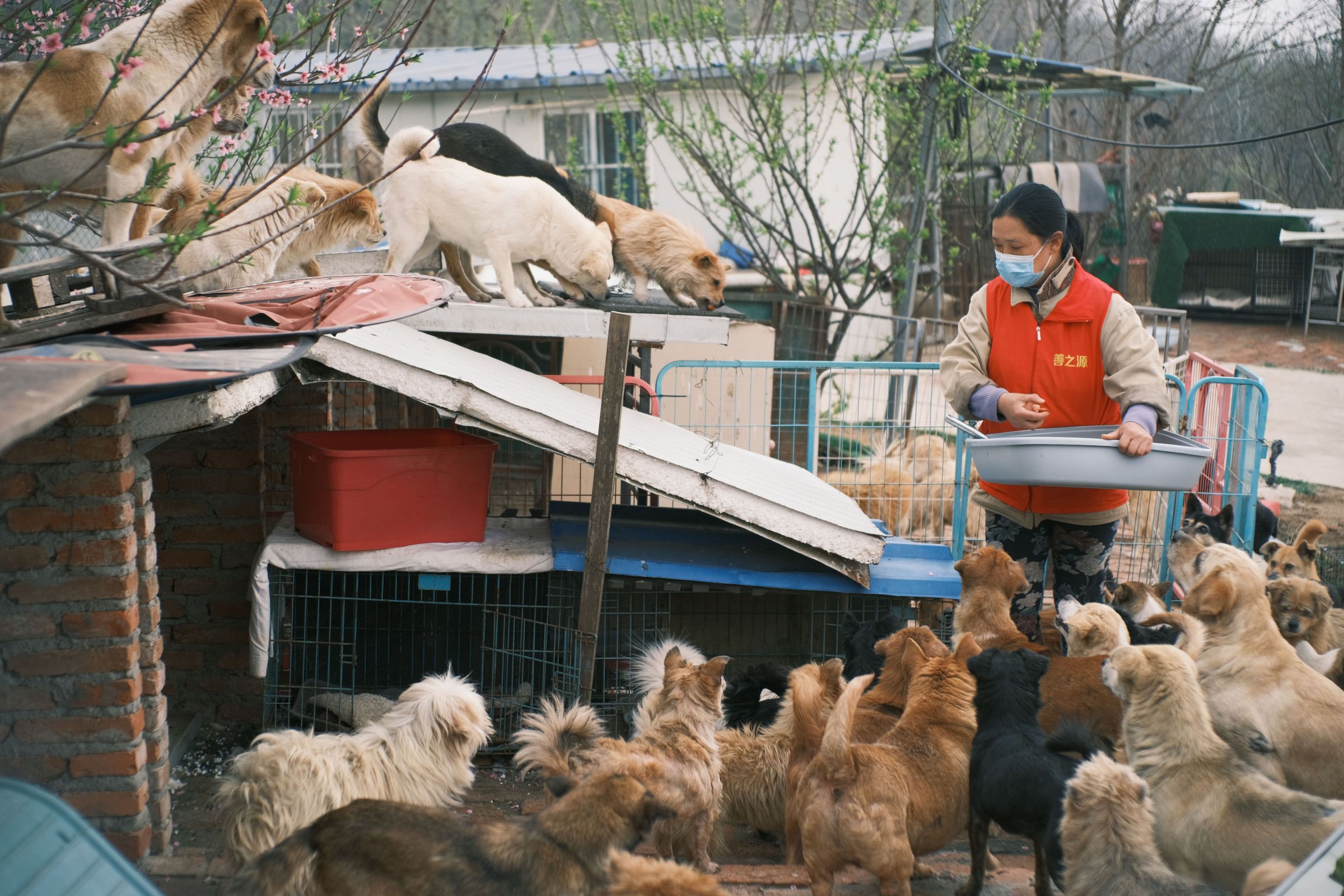
A House bill would give the Agriculture Department a limited role in helping shelters microchip dogs and cats. Backers say that could cut mix-ups and help lost pets find their way back faster.
- USDA would be asked to support shelter microchipping.
- The bill covers dogs and cats in shelters or similar facilities.
- Microchips can help reunite lost pets with owners.
- It does not create a national pet registry.
- In Washington, a House bill would put federal backing behind a small but practical piece of animal care: the microchip
In Washington, a House bill would put federal backing behind a small but practical piece of animal care: the microchip. HR 9319 would amend the Animal Welfare Act and direct the Secretary of Agriculture to enter into cooperative agreements that support microchipping for dogs and cats in animal shelters or similar establishments.
For shelters, that means another way to keep track of animals that arrive without reliable identification. For adopters and the people who lose pets, it means a better chance that a stray, a returned animal or a transferred pet can be matched with the right home.
A small chip, a bigger reunion
Microchips are not a new system of pet surveillance. They are a simple form of identification that can help answer one question when a collar tag is gone or a pet has drifted out of sight: who does this animal belong to?
That is why the bill matters in such a narrow, specific way. More sheltered dogs and cats could be identified before they are adopted, transferred or reunited with owners, which can reduce mix-ups and make lost-pet searches less frustrating.
What USDA would do
The measure keeps the federal role limited. It does not create a national pet registry or rewrite every rule around animal tracking. It gives USDA a way to support microchipping where the need is clearest, inside shelters and similar facilities.
California Rep. Ted Lieu is sponsoring the bill. The policy idea is modest, but for a family missing a dog or cat, a tiny implanted ID can be the difference between a long search and a quick reunion.