Criminal Law
Sixth Circuit upholds Terrence London’s convictions on cash, keys and a Glock
Judges said the cash, phones and keys found on London supported the finding that he controlled the Camry. They also pointed to the Glock on the seat and drugs in the car.
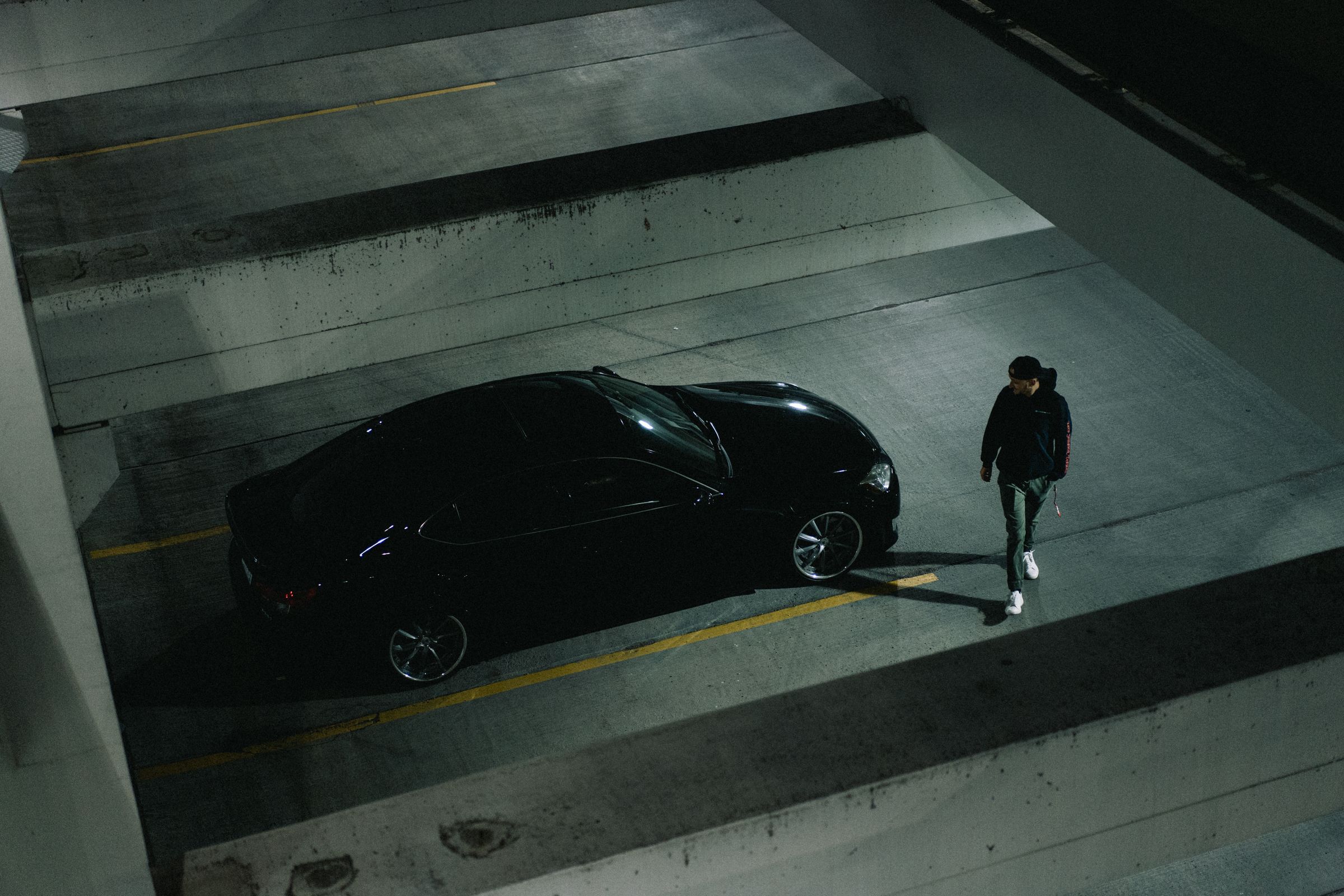
The Sixth Circuit said the evidence of control was strong enough to uphold Terrence London’s convictions. The court relied on the cash, phones and keys found on him, plus the gun and drugs in the car.
- The Sixth Circuit upheld Terrence London’s gun and drug convictions.
- Keys, cash and phones on London helped tie him to the Camry.
- Officers found a Glock on the driver’s seat and several drugs in the car.
- The court said constructive possession can be proved by circumstantial evidence.
- In federal court, the Sixth Circuit said Terrence London’s convictions could stand even without a witness who saw him own the car or handle every item inside it
In federal court, the Sixth Circuit said Terrence London’s convictions could stand even without a witness who saw him own the car or handle every item inside it. Officers arrested him less than two minutes after he got out of a Camry, then found a Glock on the driver’s seat and a stash of drugs and packaging materials in a warranted search.
A search of London’s person also turned up about $9,000 in cash, two cell phones and car keys later linked to the Camry. The judges said that combination was enough to tie him to the vehicle and the contraband inside it.
Why the car mattered
The court treated the keys, cash and phones as part of a larger picture showing control of the Camry. That mattered because constructive possession does not require a defendant to be caught holding the gun or drugs in his hand. It can be proved by facts showing control over the place where they were found.
Here, the court said, London’s connection to the car was strong enough to support that theory. The vehicle was not just nearby. It was linked to him through what officers found on his person, and the court said that link reached the gun and drugs inside it.
Gun near drugs
The search of the Camry turned up packaged marijuana, fentanyl, meth, cocaine, baggies, rubber bands and inositol powder, along with the Glock on the driver’s seat. The Sixth Circuit said that placement supplied the needed link for the federal firearm count under 18 U.S.C. § 924(c), which punishes using or carrying a gun in furtherance of drug trafficking.
That was enough to keep the trafficking-related conviction in place. The panel did not need direct proof like fingerprints or title papers when the surrounding facts pointed the same way: London, the car, the gun and the drugs all fit together.
What prosecutors can take from it
The ruling is a reminder that vehicle-based gun and drug cases often turn on the whole scene, not one dramatic piece of proof. Proximity, control of the car and the gun’s placement can do the work if the rest of the evidence lines up.
For defendants, that makes the space around the stop matter as much as what was found after it. For prosecutors, it reinforces how far circumstantial evidence can reach when a suspect leaves a car moments before officers search it.