Social Policy
SNAP shoppers could buy online nationwide
The House farm bill would turn the grocery pilot into a permanent USDA program and let states hire outside help to process applications.
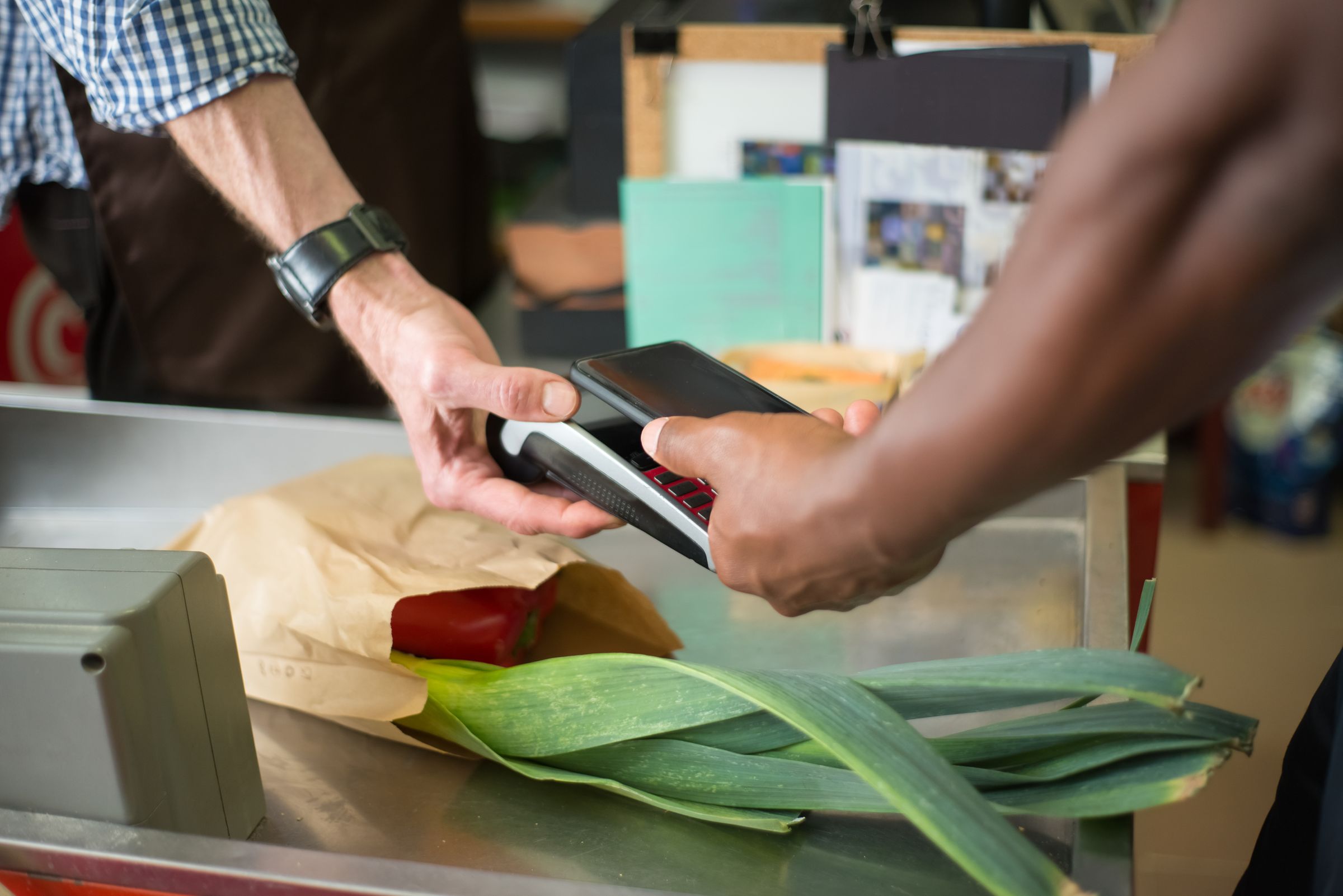
A House farm bill would change how SNAP works for millions of households. It would make online grocery buying permanent nationwide, give states the option to contract out certification work and extend the program through Sept. 30, 2031.
- States could contract out SNAP certification work.
- USDA would have to make online grocery buying permanent nationwide.
- SNAP and related nutrition programs would run through Sept. 30, 2031.
- The bill would expand some eligible foods and nutrition incentives.
- For millions of SNAP households, the federal rules behind the benefit may soon matter in a different way
For millions of SNAP households, the federal rules behind the benefit may soon matter in a different way. A farm bill in Washington would let states contract out SNAP certification work and would make the U.S. Department of Agriculture, or USDA, turn the online grocery pilot into a permanent nationwide program.
It would also extend SNAP and related nutrition programs through September 30, 2031, while broadening some SNAP-eligible foods and foods that can be bought with nutrition incentives. The changes reach beyond administration. They would touch how people apply, where they shop and which purchases the program is built to support.
A different front door
The certification change would give states authority to hire contractors for eligibility work. The bill would not require them to do it, but it would open the door to outside companies or other vendors handling parts of the application process.
For households, that could change who answers questions, processes documents and manages enrollment. For state agencies, it could mean a different back-end arrangement for a program that millions of families rely on to keep food on the table.
Online buying stops being a test
USDA would have to move the current SNAP Online Purchasing Pilot into permanent nationwide operations. That would turn online grocery buying from a limited test into a standard way to use benefits.
For SNAP shoppers, that matters because online ordering can change who can reach the store, when they can shop and how far a benefit stretches when transportation, disability or work schedules get in the way.
More food choices, more local buying
The bill would also provide discretionary funding for local food purchases for food banks and other entities. Alongside the broader list of eligible foods and nutrition incentives, that puts more of the program's weight on how communities source fresh food and on what counts as a qualifying purchase.
For families, the shift is not abstract. It changes the path from benefit to meal, from application to checkout, and from a program that mainly pays for groceries to one that also nudges which groceries and which local food systems get a federal boost.