environment
South Dakota uranium project clears environmental review
The NRC says the Dewey-Burdock site in Custer and Fall River counties does not need a full environmental impact statement as it weighs a 20-year license renewal. The agency also issued a separate historic-preservation agreement.
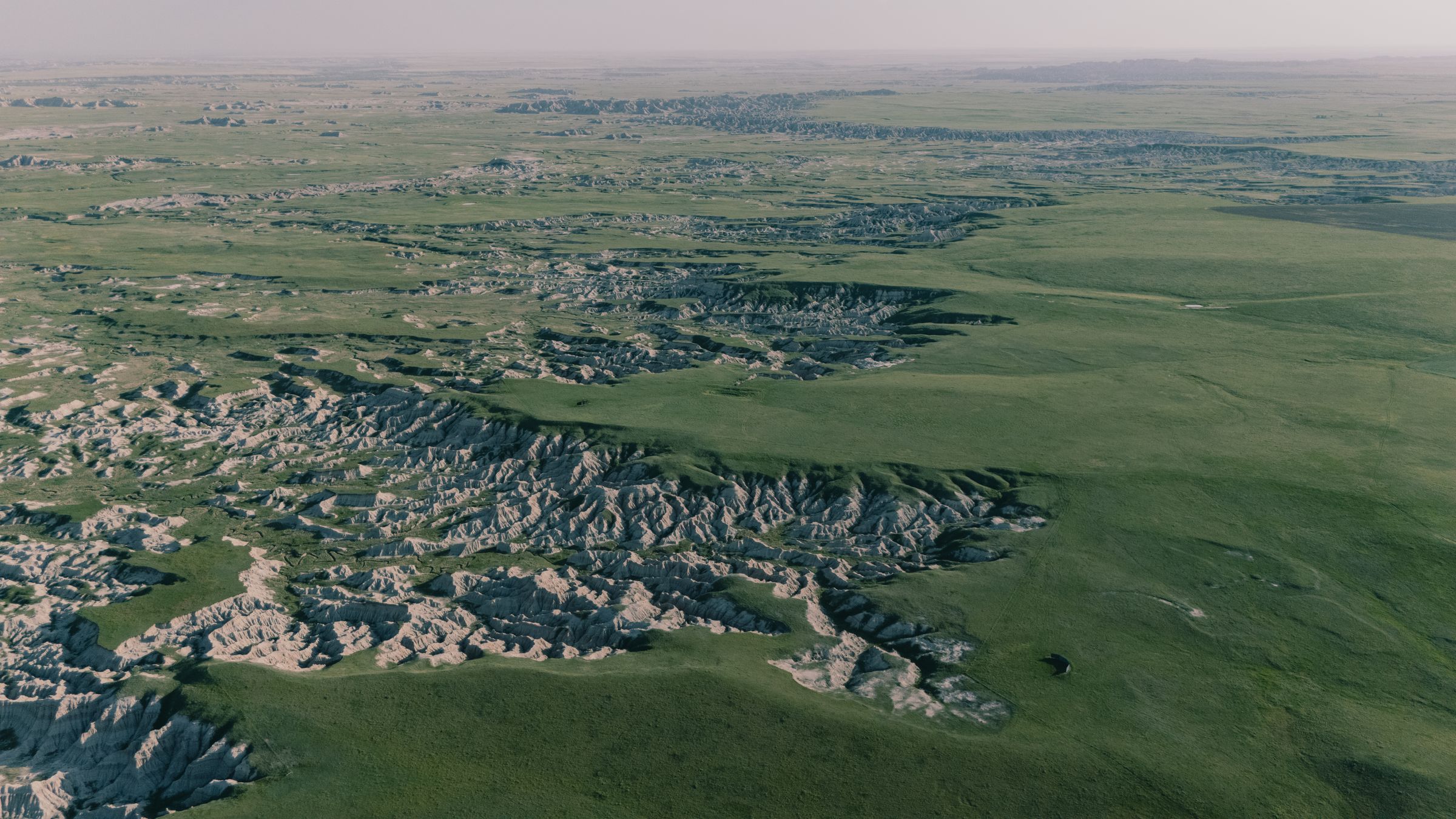
The Nuclear Regulatory Commission is considering whether to renew Powertech USA's license for the Dewey-Burdock in situ uranium recovery project for another 20 years. Its environmental assessment says the proposal would not significantly affect the environment.
- Powertech’s Dewey-Burdock project is under review for a 20-year license renewal.
- The NRC issued an environmental assessment and found no significant impact.
- Dewey-Burdock produces yellowcake, which is used for commercial reactor fuel.
- The project sits in Custer and Fall River counties, South Dakota.
- The Nuclear Regulatory Commission is considering whether to renew source and byproduct materials license SUA-1600 for Powertech USA’s Dewey-Burdock in situ uranium recovery project in Custer and Fall River counties, South Dakota
The Nuclear Regulatory Commission is weighing whether to renew Powertech USA’s license for the Dewey-Burdock uranium recovery project in Custer and Fall River counties, South Dakota. Its environmental assessment says the project would not significantly affect the environment, and a renewal would extend the permit 20 years.
The project uses in situ recovery, or ISR, to pull uranium from the ore body and turn it into yellowcake, the uranium oxide product used to make fuel for commercially operated nuclear power reactors. That makes Dewey-Burdock part of the nuclear fuel chain, not just a local mining project.
From ore body to reactor fuel
Along with the renewal review, NRC staff are issuing an environmental assessment, a finding of no significant impact, and a Section 106 Programmatic Agreement. The environmental finding says staff do not see a significant environmental impact from the proposed license renewal, while the historic-preservation agreement addresses the separate cultural review that comes with the site.
The documents are available June 17, 2026. They do not by themselves grant the renewal, but they do show the agency has finished the environmental review package it will use as it weighs whether the project can keep operating for another two decades.