Foreign Policy
U.S. backs Syria’s new leaders as they try to keep the peace
U.S. officials have shifted from combat to conditional support, with sanctions relief, counterterrorism and diplomacy now at the center. The next test is whether the new leadership can keep order and protect minorities.
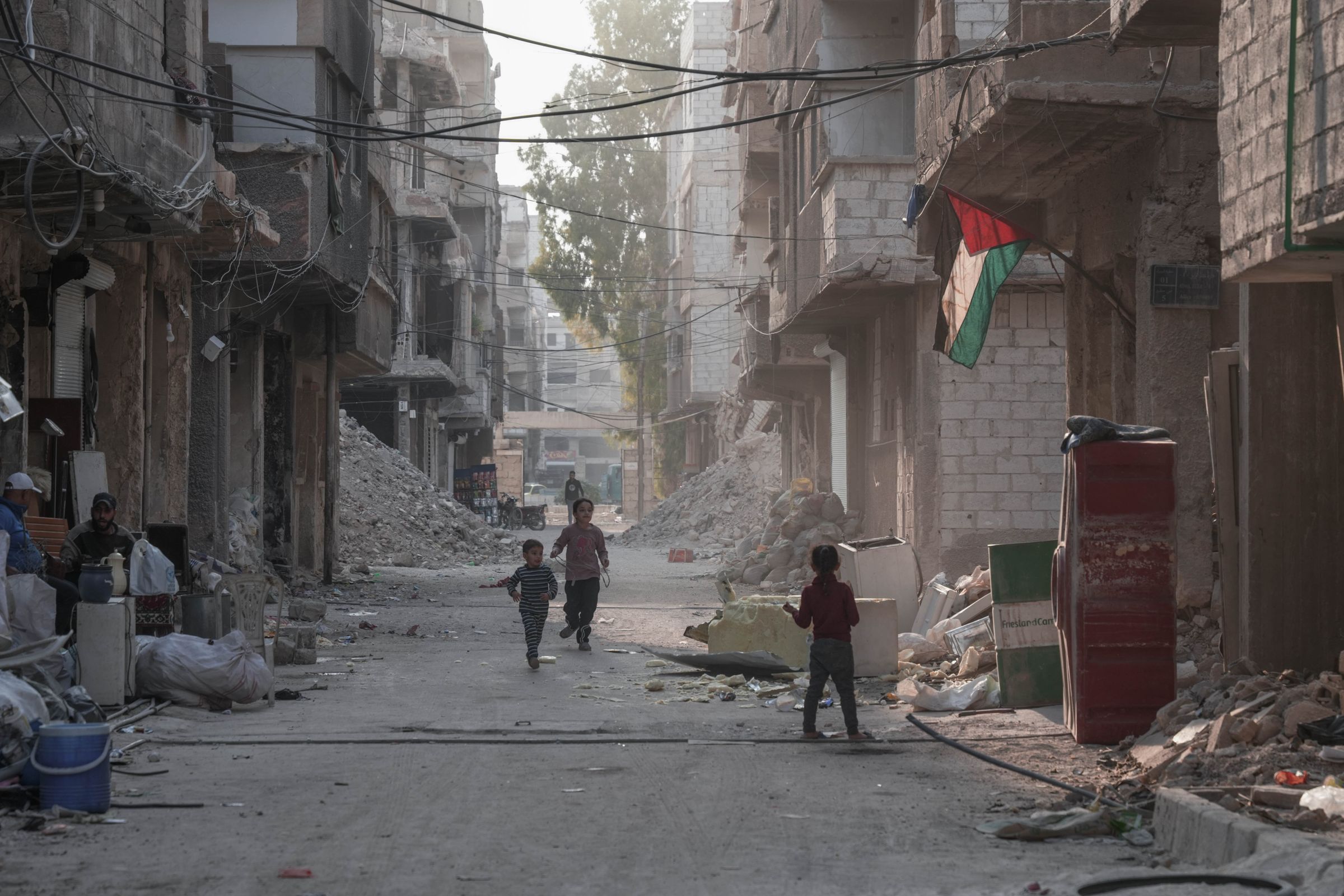
Syria’s future now depends on whether its new leaders can keep the peace, rebuild trust and draw in outside help. The United States is staying engaged, but with major concerns still unresolved.
- Syria’s new leaders inherit war damage, not a blank slate.
- 15.6 million Syrians still needed aid or protection in May 2026.
- U.S. officials are engaging the new government despite lingering concerns.
- Rebuilding the country could cost $216 billion.
- Syria’s federal policy picture is being shaped by a transition that begins from ruin, not renewal
Syria’s federal policy picture is being shaped by a transition that begins from ruin, not renewal. More than a decade of unrest and conflict displaced millions and killed hundreds of thousands of Syrians from 2011 through 2024.
Ahmed Al Sharaa, whose movement ousted the Iran- and Russia-backed regime of Bashar al Asad, now leads as president under a five-year transitional constitutional declaration developed with limited input from Syrian communities. He has renounced his former ties to Al Qaeda and the Islamic State, but the central questions are still basic: who will be protected, who will wield power and how much control the new state can project.
A country still living the war’s aftershocks
The humanitarian toll is still enormous. As of May 2026, an estimated 15.6 million Syrians needed humanitarian or protection assistance, 3.6 million were refugees in neighboring countries and 5.9 million remained internally displaced.
That scale makes recovery feel remote. The World Bank estimated Syria’s post-conflict reconstruction needs at $216 billion in 2025, a reminder that roads, homes, clinics and power lines will not come back quickly, even if the politics stabilize.
Washington is watching the next test
U.S. officials have cultivated ties with Sharaa and his partners, but the policy questions remain tied to security, foreign influence and minority rights in the new Syria. The immediate challenge is whether that transition can produce enough stability for relief, investment and returns home without deepening the country’s fragility.
- 15.6 million Syrians needed aid or protection in May 2026.
- 3.6 million Syrians were refugees in neighboring countries.
- The World Bank put reconstruction needs at $216 billion.