Harmonized Tariff Schedule
U.S. trade panel keeps air compressor case alive
The International Trade Commission found a reasonable indication that air compressors from China, Malaysia and Vietnam are hurting a U.S. industry. The case now moves into its final phase, where possible duties are still on the table.
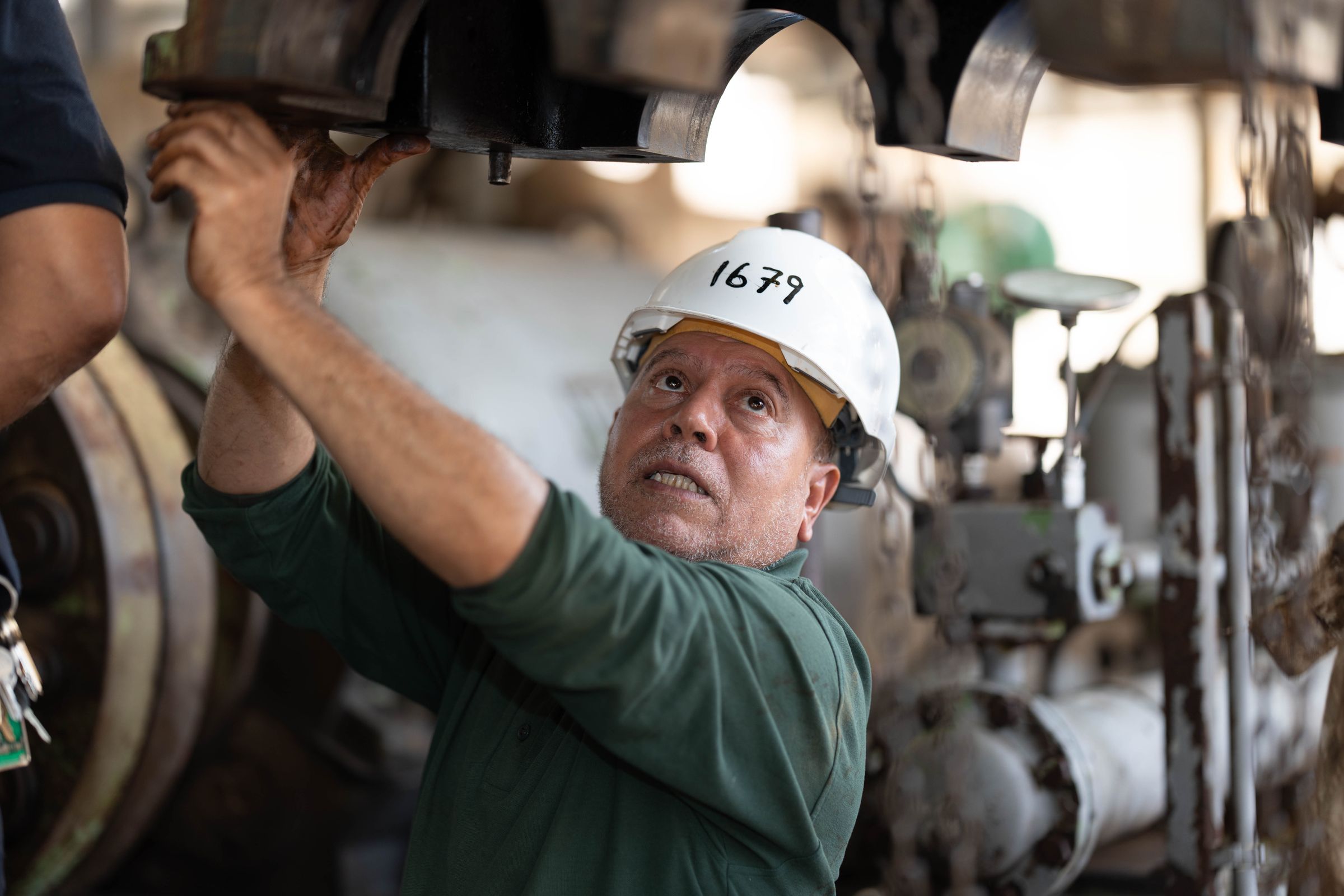
The U.S. International Trade Commission said imports of air compressors from China, Malaysia and Vietnam may be injuring a U.S. industry. That keeps both dumping and subsidy claims in play as the case moves to its final phase.
- The ITC found a reasonable indication of injury to a U.S. compressor industry.
- The case covers imports from China, Malaysia and Vietnam.
- Both dumping and subsidy claims remain in play.
- Any duties would likely flow first to importers, then to buyers.
- buyers of shop and industrial compressors, the immediate effect is uncertainty, not a price change
For U.S. buyers of shop and industrial compressors, the immediate effect is uncertainty, not a price change. The U.S. International Trade Commission found a reasonable indication that a domestic industry is materially injured by imports of air compressors from China, Malaysia and Vietnam, in a case that says the products were sold below fair value and subsidized by those governments.
The equipment is covered under Harmonized Tariff Schedule subheading 8414.80.16. The finding keeps both antidumping and countervailing-duty, or subsidy-offsetting, claims alive.
The claims still on the table
Those are the two trade-law theories that can lead to extra border costs if the Commerce Department later backs them up. The allegation is that the compressors were sold in the United States at less than fair value, the trade term often shortened to LTFV, while also benefiting from subsidies in the three exporting countries.
The commission also announced the start of the final phase of investigations Nos. 701-TA-794-796 and 731-TA-1790-1792.
The price ripple
If duties are eventually imposed, they usually land on importers first, then work their way through distributors, contractors and other businesses that use compressors in repairs, construction and manufacturing. That can change sourcing choices even before any final duty rate is set.
The finding does not decide whether a duty will be imposed, or how large it would be. It keeps the case moving toward the next stage, which is enough to matter for anyone choosing where to buy equipment next.