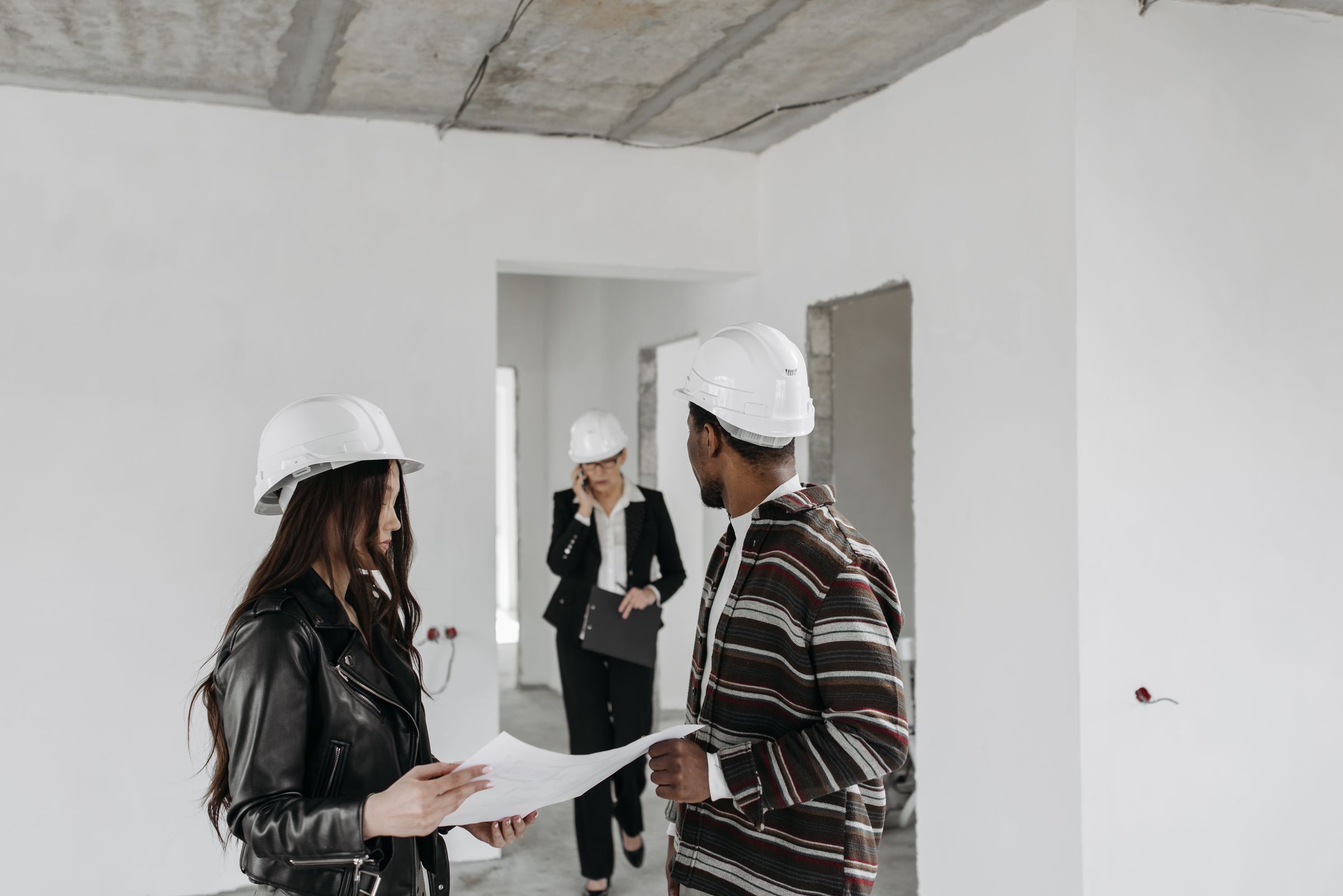
Workers who build out offices in New York buildings the state leases could have to be paid prevailing wages under a bill now in the Labor Committee. The measure would extend the state’s public-work wage floor to covered leasehold improvements, including structural changes and major office fit-outs over the law’s threshold.
The change applies to leases the commissioner of general services enters for state departments, agencies, commissions, boards and officers. Those leases already have to include a labor-law compliance clause, and this proposal is aimed at the improvements made inside those spaces rather than at every construction project the state touches.
The work that counts
The bill treats leasehold improvements as a specific kind of job inside state-leased space. That includes structural changes, new drywall and flooring, upgrades to lighting, electrical and technology systems, and the addition of rooms, cubicles or partitions.
The point is not to redraw the state’s entire construction code. It is to make sure the fit-out work that turns a leased shell into usable office space follows the prevailing-wage standard when the state is the tenant.
For landlords and contractors, that can change how a project is priced and who bids on it. For workers, it means the wage floor follows the renovation even when the building itself is leased rather than owned by the state.
- Structural modifications
- Drywall, flooring and partitions
- Lighting, electrical and technology upgrades
- Rooms, cubicles and other buildout work
Sources
Synthesized from 9 verified citationsSynthesized by AI linked to original documents.