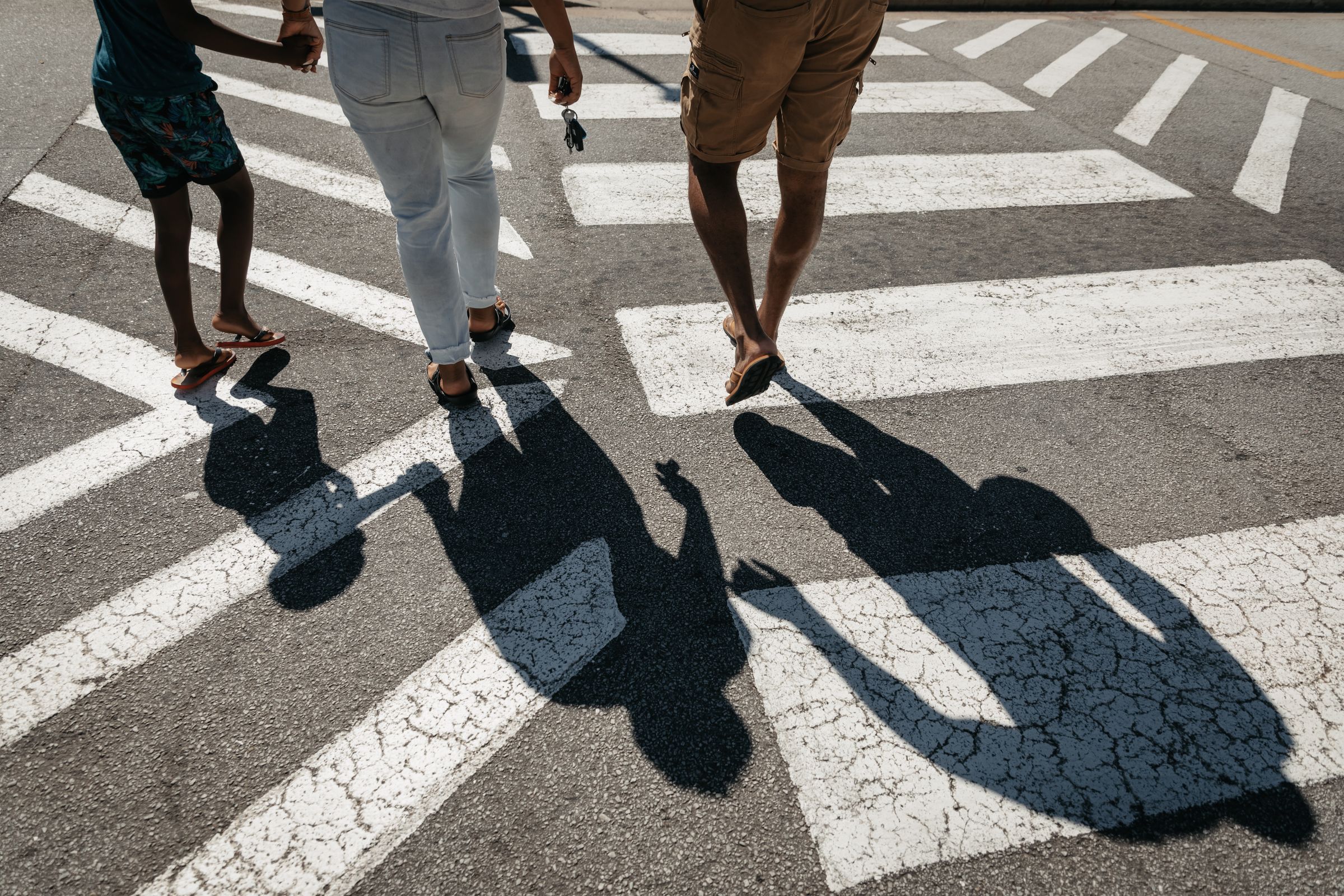
In New Jersey, the people most likely to feel this change are the ones crossing the street with a backpack, a stroller or a lunch break to get to. A proposal from Assemblyman Andrew Macurdy would give municipalities and counties a faster way to lower speed limits on roads where slower traffic can matter most, especially in school zones and other high-pedestrian areas.
Instead of waiting for the usual engineering and traffic investigation, local governments could act by ordinance or resolution, then cut a qualifying road’s speed limit by 5 miles per hour.
Slower streets, quicker
The bill is narrow by design. It applies only to roads already posted at 35 mph or less, and only when the road sits in a school zone or in another area the local government designates as heavily used by pedestrians.
Local officials would still have to consult a staff engineer or traffic engineering consultant before making the change. And the lower limit could not dip below 15 mph.
Guardrails on the shortcut
The proposal also stops towns and counties from using the shortcut more than once for the same stretch of road. That matters because it turns the new authority into a one-time adjustment, not an open-ended way to keep ratcheting speeds down block by block.
It would also not apply to roads already in the middle of a traffic study, or to roads that had their speed limits changed because of such a study within the prior year. The bill is trying to give local governments a faster lane, but not a blank check.
Sources
Synthesized from 11 verified citationsSynthesized by AI linked to original documents.