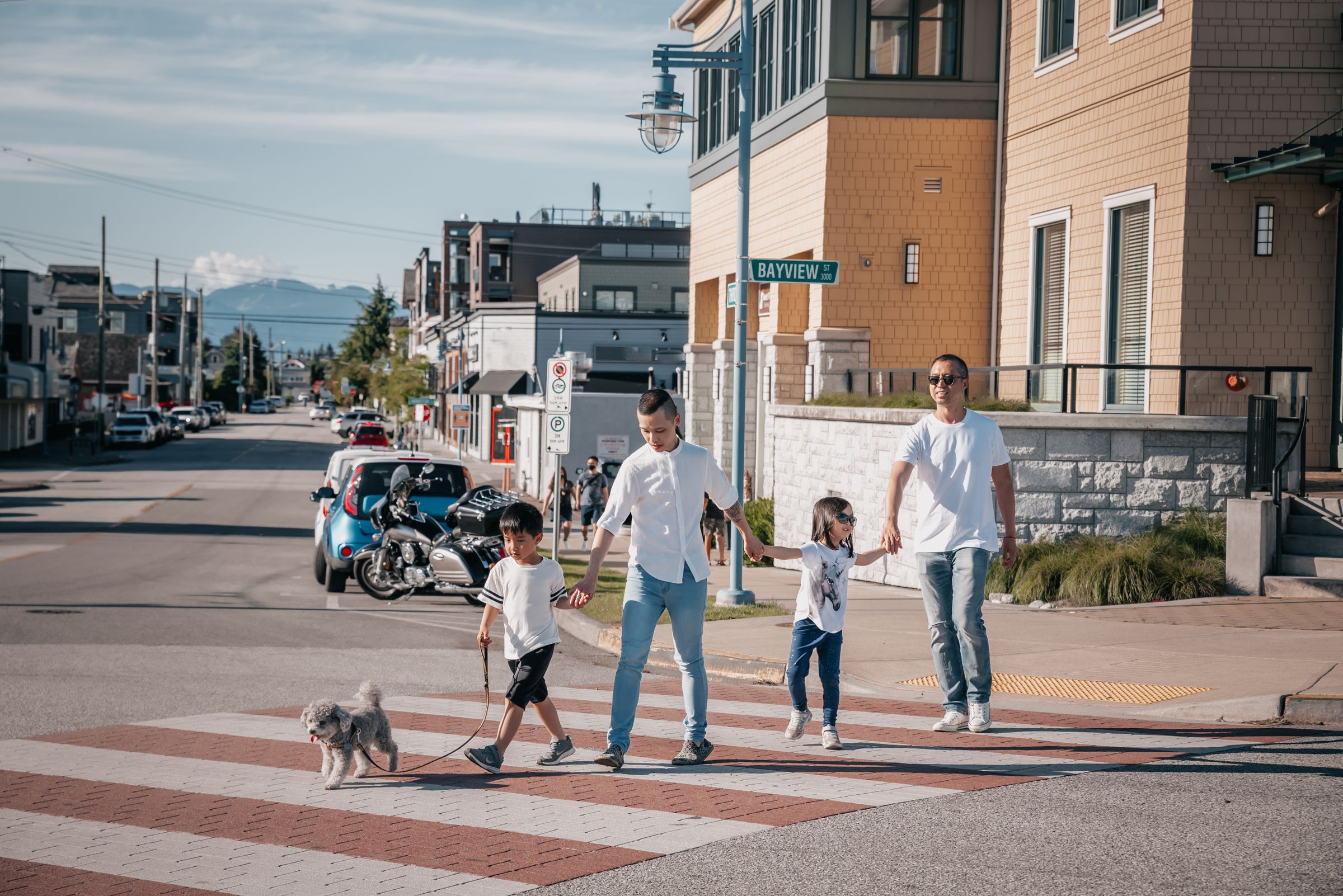
In New Jersey, parents dropping off children, students crossing between classes and neighbors walking a busy block could feel the change this bill is trying to make. It would give municipalities and counties a faster way to lower posted speed limits near people on foot, without waiting for the engineering and traffic investigation state law usually requires.
The shortcut is narrow. It applies only to roads posted at 35 miles per hour or less, and only in a school zone or a high-pedestrian area the local government identifies.
A short route through town
Senator Brian Stack is sponsoring the bill. A municipality or county would still have to act by ordinance or resolution and consult a staff engineer or traffic engineering consultant before trimming a limit by 5 miles per hour.
The bill also tells local officials to focus on places where foot traffic is already part of daily life. Commercial downtowns, transit corridors, school zones and areas within a quarter to half a mile of major transit facilities are among the kinds of places they could consider when deciding what counts as a high-pedestrian area.
The brakes stay on
Even with that shortcut, the bill leaves real guardrails in place. A road segment could get only one reduction under this section, and the new limit could not fall below 15 miles per hour.
Local governments would also be shut out if a traffic study is already underway for the road, or within one year after a speed change made through that study process. That keeps the authority from becoming a blank check to keep ratcheting limits down on the same stretch of pavement.
Sources
Synthesized from 7 verified citationsSynthesized by AI linked to original documents.