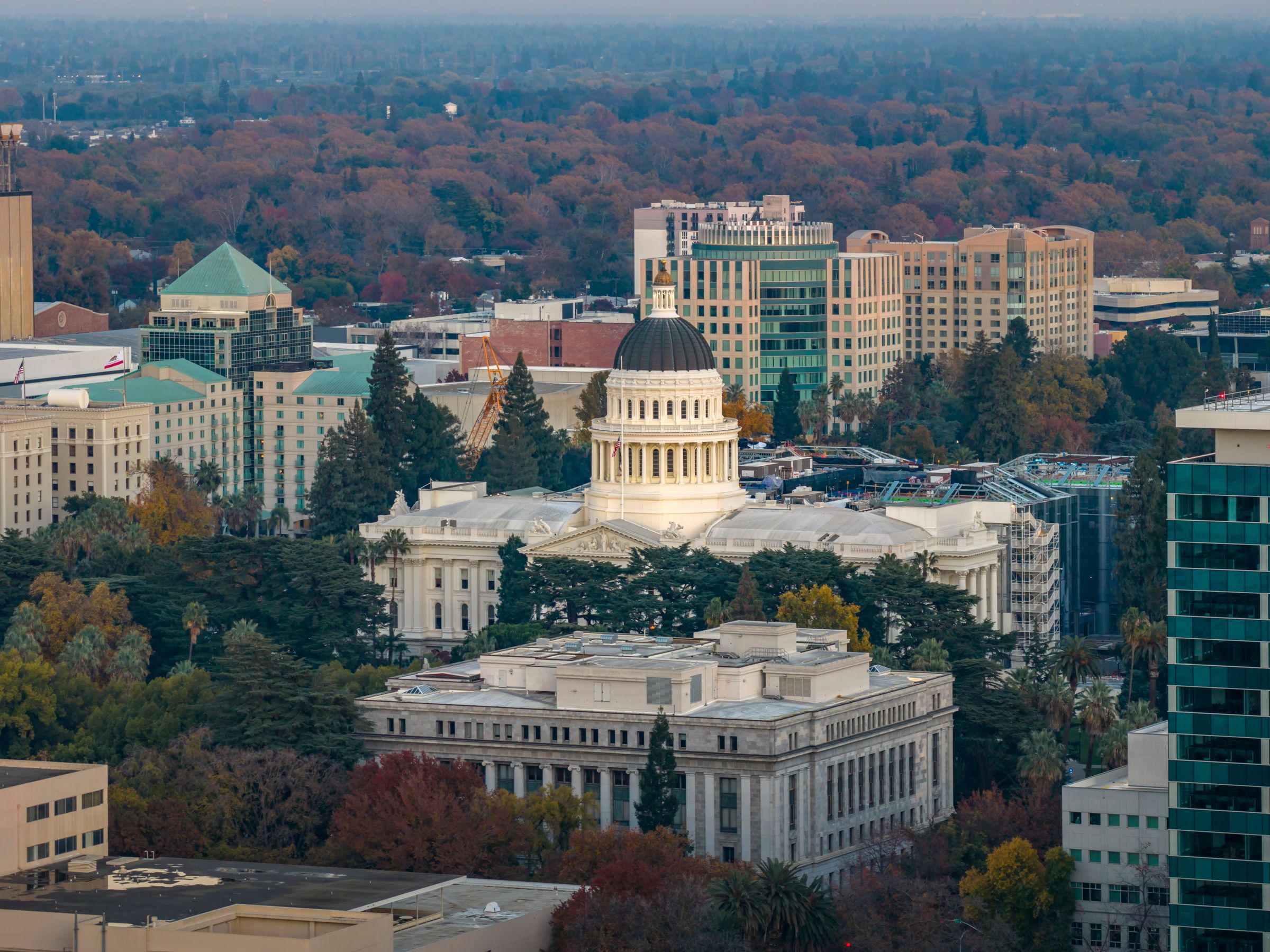
California lawmakers want to keep state parking lots, garages and vacant parcels from becoming staging grounds for immigration enforcement. AB 1807 would bar state-owned property from being used to stage, assemble, mobilize or deploy vehicles, equipment or personnel for that purpose.
The proposal is not just a ban on paper. It would require the Department of General Services to identify state property that has already been used, or is likely to be used, that way, so agencies can warn the public and tighten access at the sites themselves.
Signs, gates and a paper trail
Once a property is flagged, state agencies would have to post signage and use physical barriers, including locked gates where appropriate. The Attorney General’s office would also create standardized signs and make them available for free.
Workers would have to follow mandatory-reporting procedures by Jan. 1, 2027, if they learn of actual or attempted use of state-owned property for immigration enforcement. Photos or video could be included when available.
The bill says it would not interfere with a lawful judicial warrant.
Who the shield is meant to cover
The people most likely to feel the change are state workers, tenants, security staff and visitors who use public facilities every day. For them, the bill turns an abstract policy fight into a physical boundary around public space.
AB 1807 is backed by Assemblymembers Jesse Gabriel and Juan Carrillo, with Assemblymember Blanca Rubio as principal coauthor, and 16 additional coauthors.
Sources
Synthesized from 11 verified citationsSynthesized by AI linked to original documents.