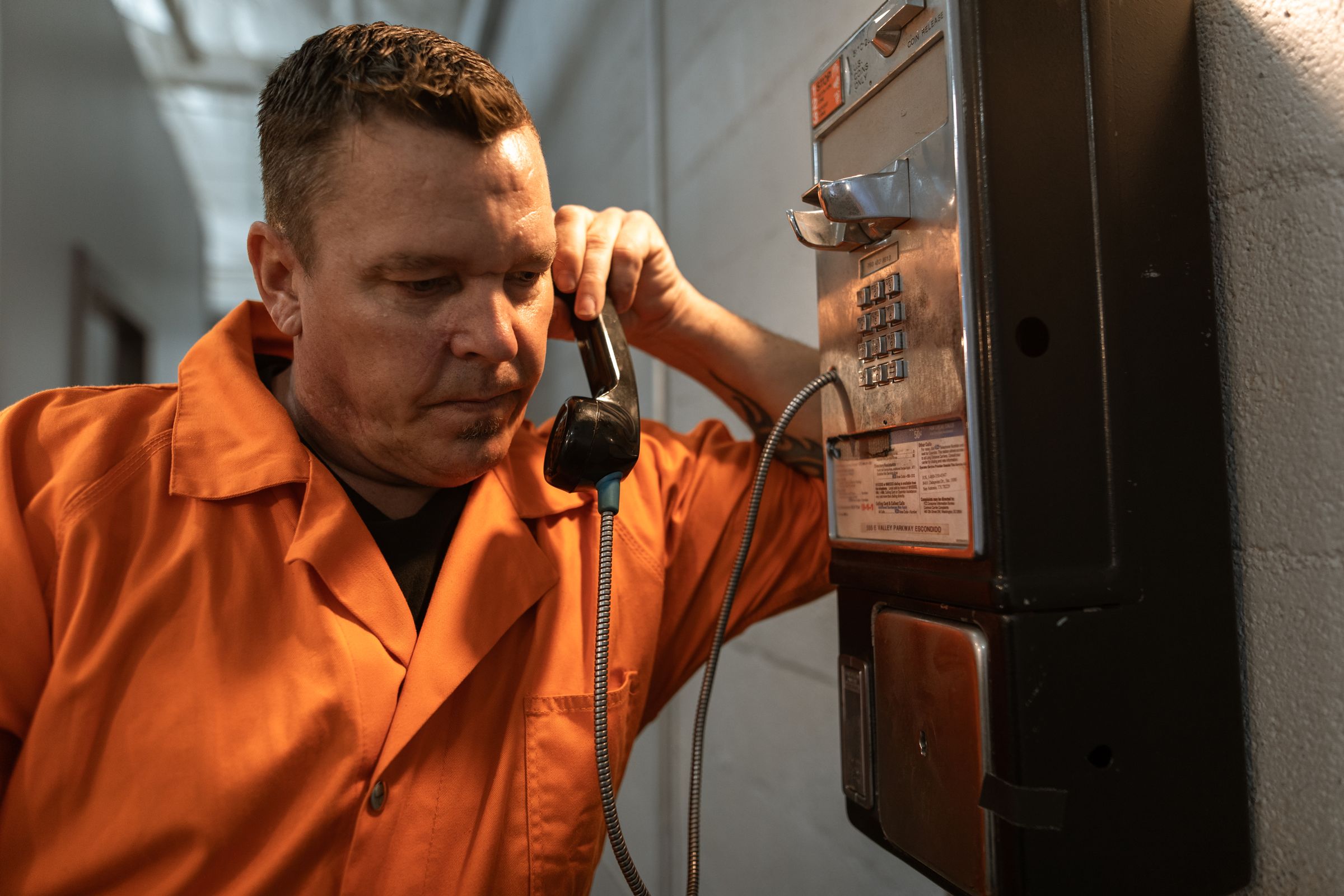
In California, Assemblymember Mia Bonta’s AB 2434 would make prison visits a regular part of incarceration instead of a privilege that can vary from one facility to the next. The bill would require every correctional facility to be open for visitation at least three days a week, and it would make visits contact visits unless the incarcerated person is housed in restricted housing.
The proposal also would bar denials based on a long list of traits and circumstances, including sex, race, age, nationality, religion, disability, criminal history, gender identity, hair texture and body size. A visitor could not be turned away just because the trip was long or the last visit was weeks ago, unless staff had a credible and documented security threat. Recorded votes show the bill cleared a floor vote.
The visit itself
The bill builds on existing law that already tells the corrections department to treat visiting as part of prison safety and release planning, not just a courtesy. AB 2434 would push that idea into daily practice, with a statewide minimum that does not depend on a facility’s local habits.
For families, the difference is blunt. A visit would be harder to cancel, harder to narrow and harder to deny for reasons that have nothing to do with safety.
At the prison door
The measure would also tighten the rules around searches. Facilities could still screen visitors, but they could not search someone without voluntary, informed, written consent unless they had a warrant or another lawful basis. If a visitor refused a voluntary search, the facility could deny a contact visit for that day, but it would have to offer a noncontact visit the same day if space was available.
More invasive searches would face their own limits. Clothed searches would be limited to a visual inspection and a hand-held wand, while unclothed searches would require reasonable suspicion, supervisory approval, privacy and staff of the same gender. The bill would also add protections for children, people with wheelchairs or implanted devices, and visitors who need written notices in one of California’s five most common languages.
Sources
Synthesized from 12 verified citationsSynthesized by AI linked to original documents.