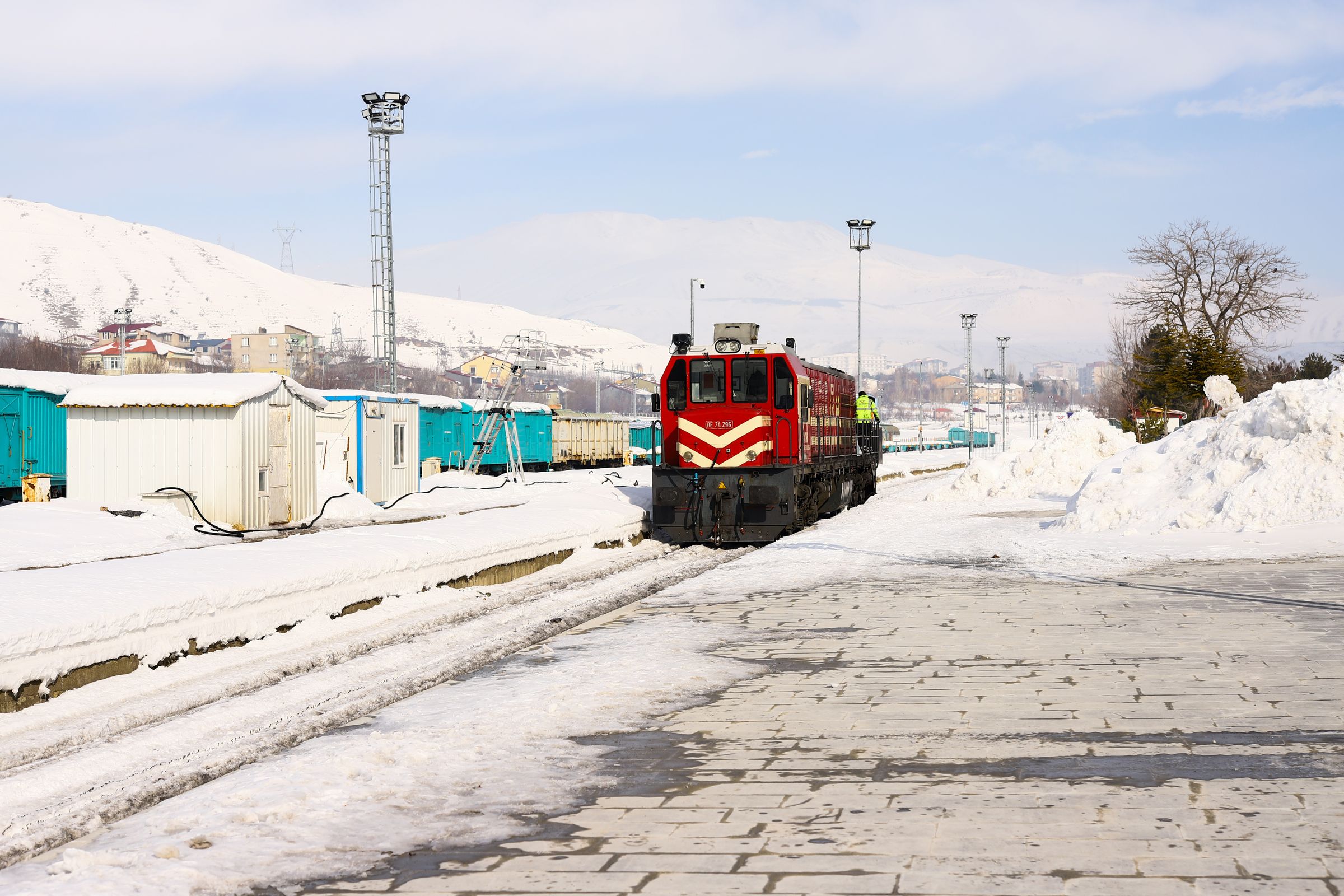
Alaska’s distance from the Lower 48 shapes almost everything about moving goods, planning roads and thinking about long-term infrastructure. Now a House bill from Rep. Nicholas J. Begich would require the Transportation Department to study whether a rail route could link Alaska to the North American continental rail network.
That is not the same as building a line. It is a first pass at the practical question behind the idea: whether a connection is feasible at all, and what it would mean if the country ever chose to treat Alaska as part of the rail map rather than a system apart.
Freight and access
For freight shippers, a rail connection could change how goods move in and out of the state. For residents, it could affect access, cost and the broader shape of transportation planning over time.
The bill would direct the secretary of transportation to conduct a feasibility study on establishing a rail route linking Alaska to the North American continental rail network. In that sense, it is a planning exercise, not a promise of steel in the ground.
What stays unresolved
The proposal does not spell out a route, a price tag or a construction timeline. It also does not authorize the line itself.
What it would do is move the conversation from speculation to the kind of federal review that usually comes before a big infrastructure decision. Introduced June 2, the measure gives Alaska’s rail isolation a federal spotlight, but it leaves the hard part, whether the connection can actually be built, for later.
Sources
Synthesized from 6 verified citationsSynthesized by AI linked to original documents.