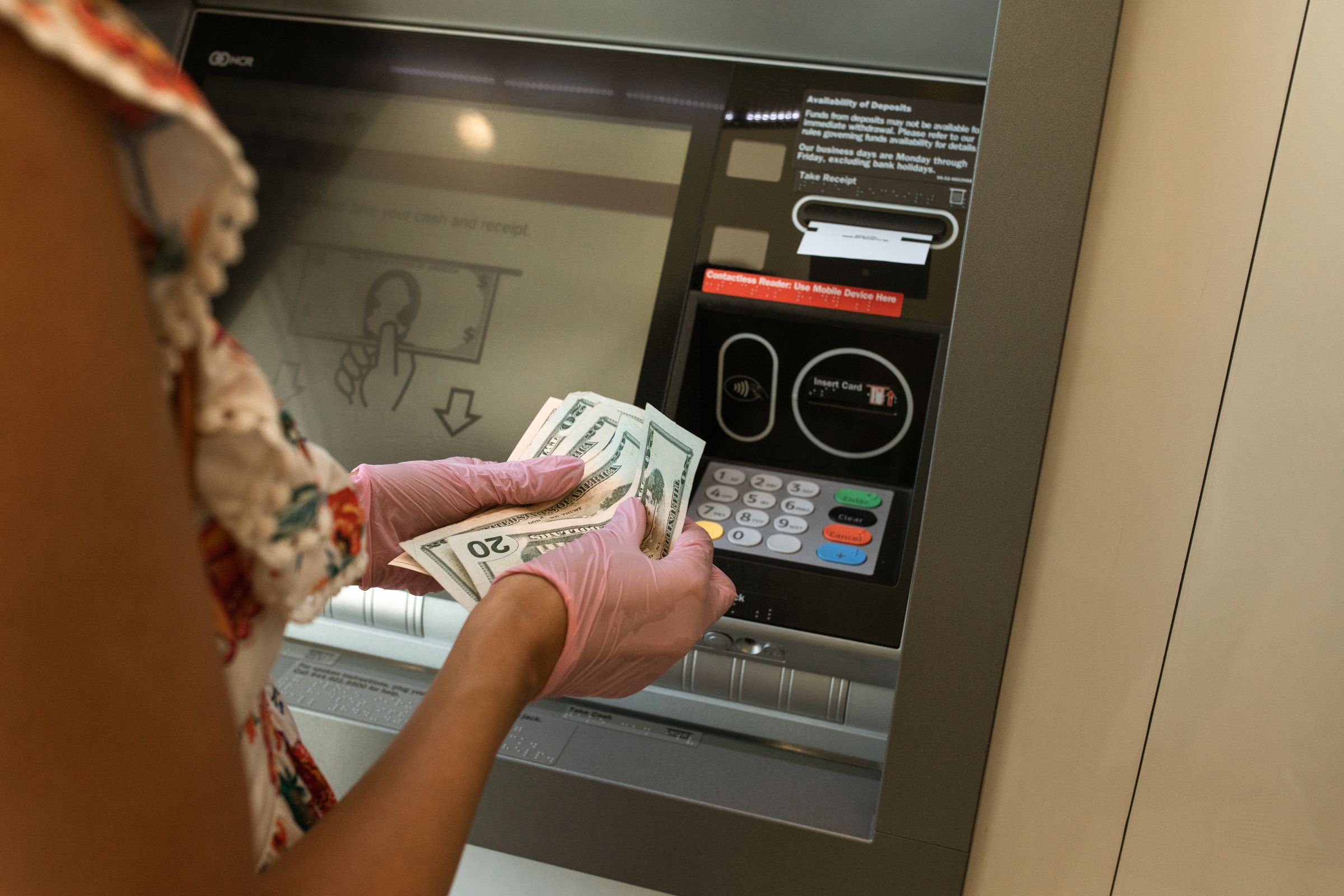
In the federal House, a banking change tucked into the 21st Century ROAD to Housing Act would give community banks, credit unions and other small lenders more room to gather deposits before they hit tougher federal oversight. It lifts two Federal Deposit Insurance Corporation, or FDIC, thresholds from $3 billion to $6 billion and creates a carveout for some custodial deposits.
For smaller institutions, the point is practical. Less money spent wrestling with brokered-deposit rules and supervisory triggers can mean more room to focus on funding loans, serving local customers and keeping day-to-day compliance from swallowing staff time.
The new $6 billion line
The bill changes Section 10(d) of the Federal Deposit Insurance Act in two places, replacing $3 billion with $6 billion. That higher bar pushes back the point at which a smaller lender can be pulled into stricter federal supervision.
It also says custodial deposits at an eligible institution do not count as funds obtained by or through a deposit broker, as long as they do not exceed 20% of the institution’s total liabilities. In plain terms, that gives a bank or credit union more room to hold certain deposits without treating them as brokered funds.
A carveout for custodial deposits
That matters because brokered deposits can bring extra scrutiny and, for some institutions, extra friction in how money is gathered and managed. The new language gives qualifying lenders a wider lane to use custodial arrangements without tripping the same federal alarms.
For a small lender trying to steady its funding base, the difference is not abstract. It can affect how easy it is to gather money, how quickly regulators start paying closer attention and how much staff time goes into staying on the right side of the rules.
Inside the wider housing package
The banking language is only one slice of the broader housing package, but it is the part that reaches directly into everyday bank operations. Recorded votes show the bill cleared a floor vote.
Sources
Synthesized from 11 verified citationsSynthesized by AI linked to original documents.