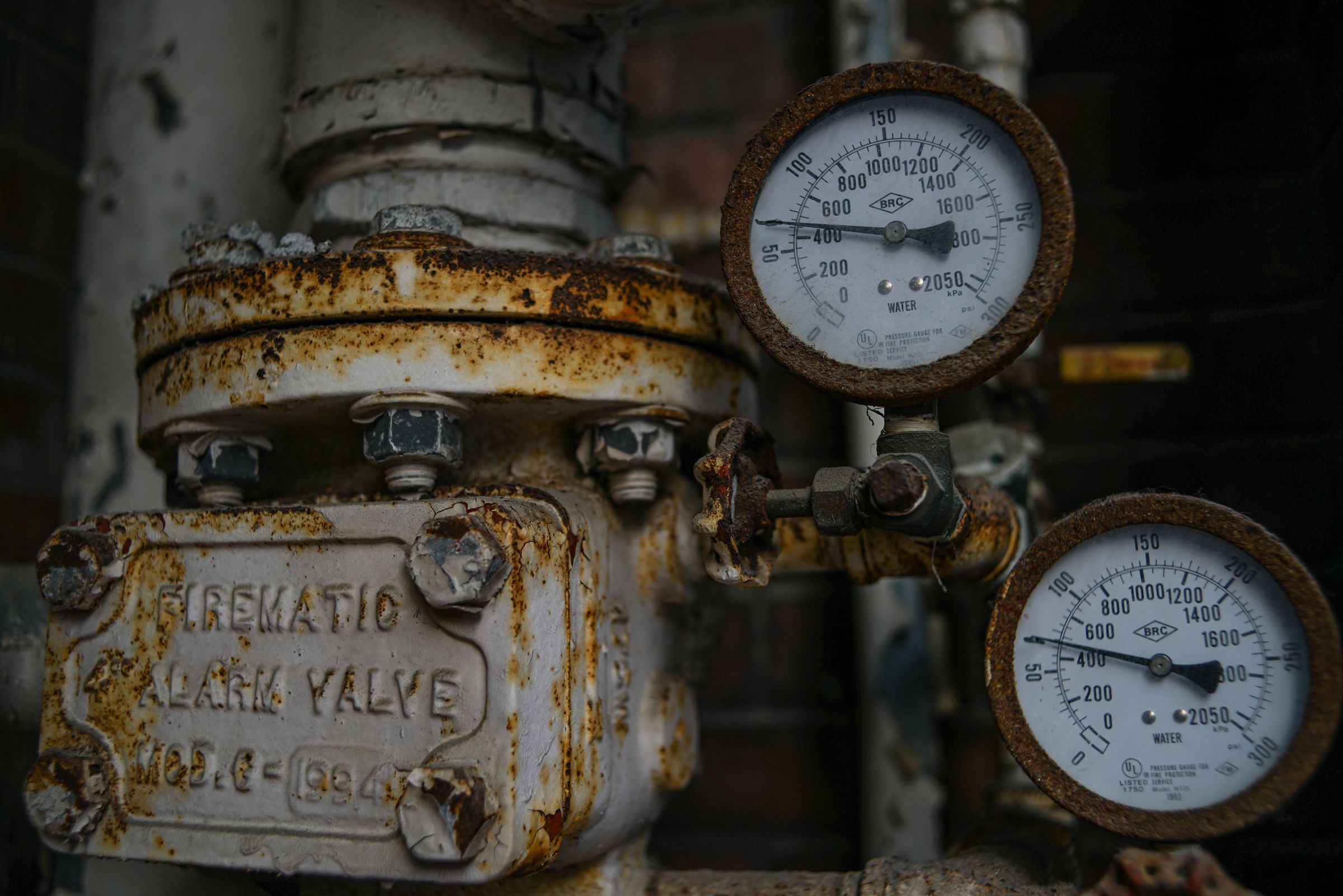
A final rule from the Bureau of Safety and Environmental Enforcement, or BSEE, published June 10, 2026, pulls updated production-measurement and safety standards into the offshore regulations for oil, gas and sulfur operations on the Outer Continental Shelf. That means the federal rules now lean more directly on outside technical standards to govern how operators measure output and keep equipment safe.
The biggest timing change is for existing flow computer systems. They get until Aug. 11, 2031 to comply with API MPMS, the American Petroleum Institute’s Manual of Petroleum Measurement Standards, Chapter 12.2, unless the Regional Supervisor approves something different.
Who gets the extra time
The delayed compliance date is not a blanket shield. It does not apply to new oil royalty FMPs or royalty meters approved on the Outer Continental Shelf after Aug. 10, 2026. For those newer approvals, the standard takes effect without that runway.
For operators, that splits the world in two: older systems get time to adjust, while newer measurement points are expected to line up with the updated standard right away. That can matter for companies deciding whether to keep, replace or rework equipment already in service.
When standards become the job
This is not just a housekeeping edit to the offshore code. Once the standards are folded into the regulations, measurement staff, compliance teams and maintenance crews have to treat them as part of the daily operating rulebook, not as background guidance.
The practical takeaway is simple. Offshore operators now have a long fuse on one key measurement requirement, but the rest of the updated standards are already shaping how production is measured and how safety obligations are carried out.
Sources
Synthesized from 10 verified citationsSynthesized by AI linked to original documents.