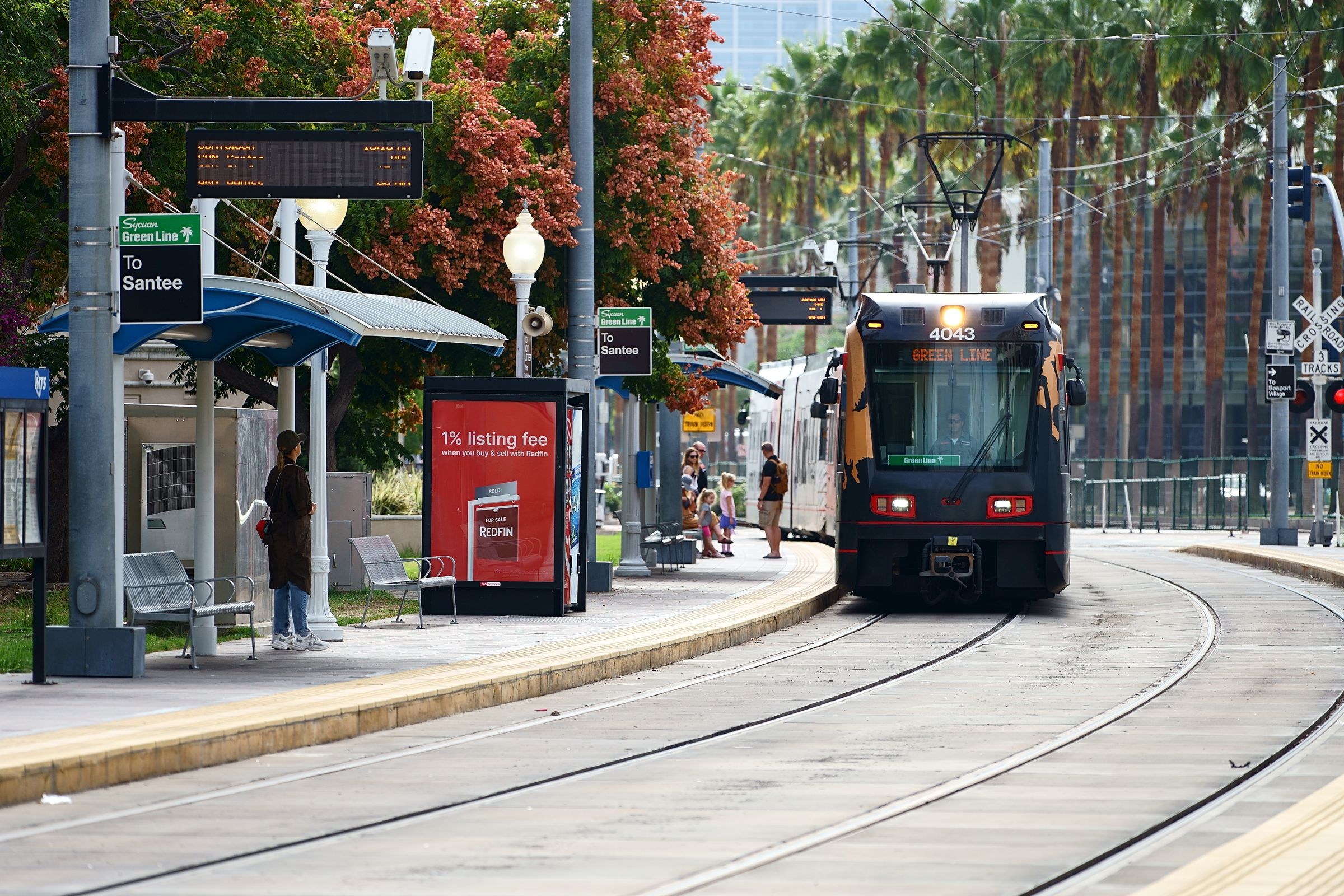
California’s major transit hubs could become easier places to build apartments and condos under AB 2074, a proposal from Assemblymember Matt Haney. The bill is aimed at more than adding units. It tries to use transit-oriented housing as a tool for downtown revitalization, while also insisting on high-road labor standards for projects that want the faster path.
A quicker path near the station
The measure would establish land-use standards for transit-oriented development in regional centers, giving cities and counties a framework for housing around major transit sites. For projects that meet the labor standards, it would streamline ministerial approval, which means qualifying developments could move through review under set rules instead of a more open-ended local process.
Existing law already requires some housing projects within a specified distance of a transit-oriented development stop to be treated as allowed uses on eligible residential, mixed-use or commercial sites if they meet the statutory requirements. AB 2074 would build on that by putting regional centers and transit cities more squarely at the center of the state’s housing strategy.
The financing piece
AB 2074 also would create a revolving loan fund to help finance qualifying construction in regional centers. That matters because the bill is not just about clearing a path through local rules. It is also about helping projects get from concept to shovel, especially in places where downtown housing is supposed to do double duty, adding homes and pulling life back into transit-rich business districts.
For renters, buyers and the cities that host these projects, the real question is where new housing gets concentrated and what kind of development the state decides to reward. This bill tries to answer both at once.
Sources
Synthesized from 8 verified citationsSynthesized by AI linked to original documents.