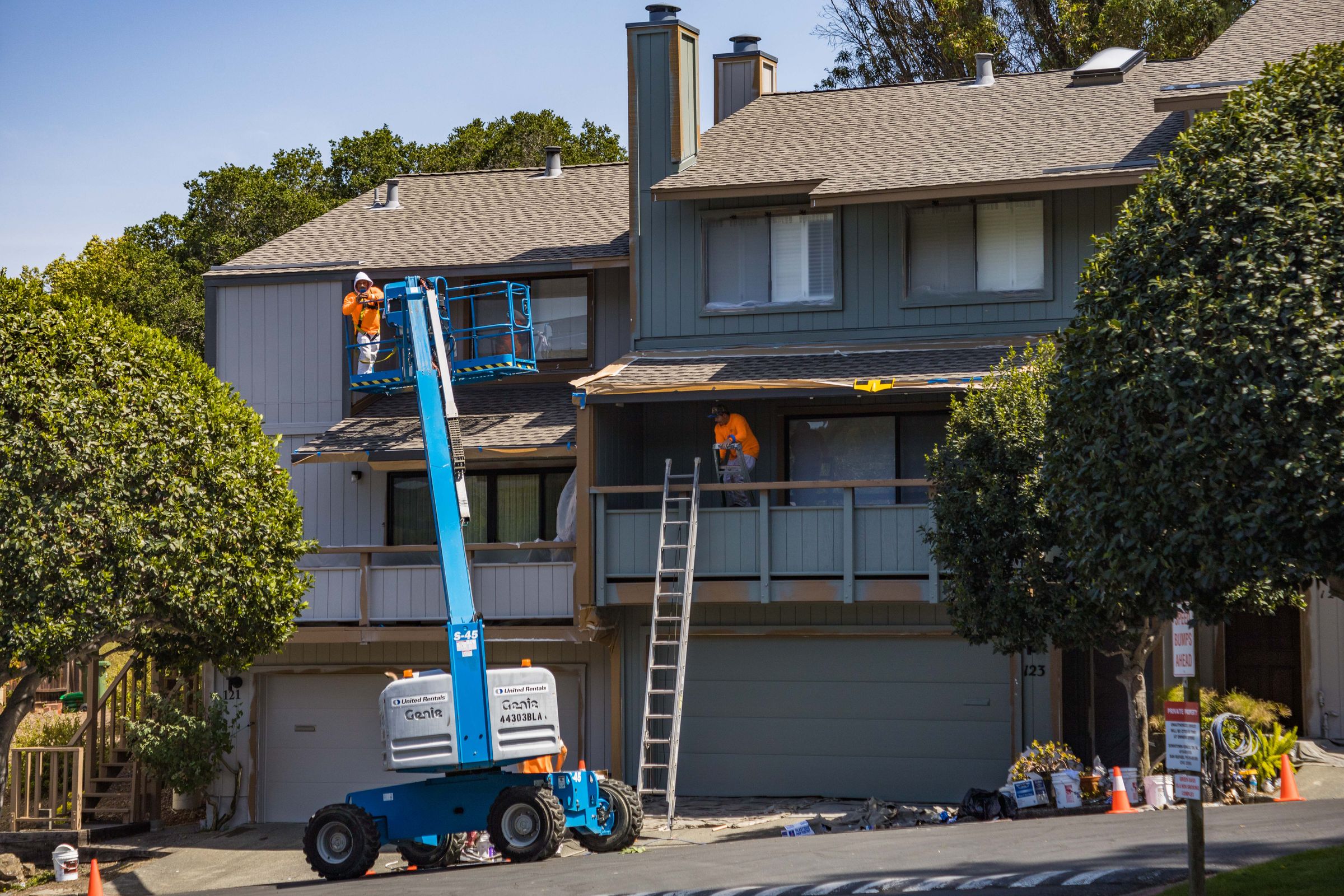
In California, the pain of an underfunded condo or homeowners association often shows up only when the roof fails, the pipes give out or the parking lot needs work nobody budgeted for. Assemblymember Jessica Caloza’s AB 2050 would force common interest developments, the legal category that covers many condos and HOAs, to look much farther ahead before saying their reserve plan is enough.
Starting Jan. 1, 2032, reserve studies would have to identify the minimum contribution needed to keep projected reserve balances from falling below zero over the next 30 years. Associations would then have to fund reserves each year at least at that minimum level.
The reserve fund is no longer just a snapshot
Reserve accounts are the money set aside for major repairs and replacements that monthly dues usually cannot absorb on their own. When those accounts run thin, owners can end up with deferred maintenance today and special assessments later, or both at once.
AB 2050 would change the study from a description of what a building might need into a test of whether the association is actually collecting enough to cover it. The point is not to pin down one future repair bill. It is to make boards show they are not marching toward a negative balance over the long haul.
Special assessments come into the picture
The bill goes further if ordinary dues and reserve transfers still do not close the gap. If an association cannot meet the minimum contribution level within the current limits on assessment increases, it would have to levy a reserve special assessment large enough to reach the target within three fiscal years.
That matters because it moves the cost of delay onto the books sooner. Instead of letting repairs slide until the account is empty, the bill would force the shortfall into daylight while boards still have room to spread the burden.
The older rules stay in place
California already requires annual budget reports and reserve studies that include a visual inspection of accessible major components at least once every three years. AB 2050 would keep that framework and add a stricter benchmark for funding.
For condo owners and HOA members, the practical change is simple: reserve planning would stop being a rough estimate and become a longer-term discipline check. The question would no longer be whether the association has a reserve study on file, but whether the account behind it can actually hold up.
Sources
Synthesized from 14 verified citationsSynthesized by AI linked to original documents.